World
World’s Key Shipping Lanes Shape Global Trade
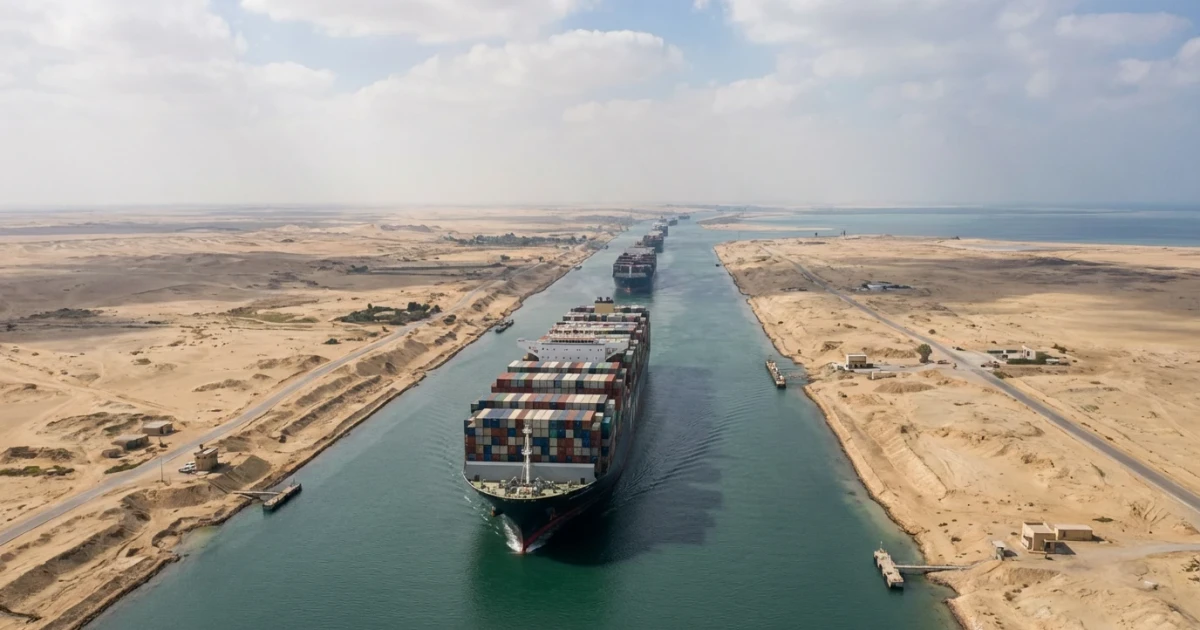
Global shipping lanes are the lifeblood of international trade, facilitating the movement of goods, energy, and resources between continents. From the Suez Canal in Egypt to the Straits of Malacca in Southeast Asia and the Panama Canal in Central America, these maritime corridors are essential for the efficient flow of cargo across the globe. The Australian Broadcasting Corporation (ABC) highlights how mapping these lanes reveals their centrality to world commerce and geopolitics.
The Anatomy of Global Shipping Routes
Shipping lanes are defined paths across oceans and seas where vessels travel in high density. According to ABC, the busiest routes often pass through narrow straits or artificial canals, making them strategic chokepoints for international shipping. These lanes enable the rapid transport of everything from bulk commodities and manufactured goods to oil and gas, supporting economies worldwide.
- Suez Canal: Connects the Mediterranean Sea to the Red Sea, serving as a shortcut between Europe and Asia. Navigation statistics show thousands of vessels transit annually, carrying significant cargo tonnage.
- Panama Canal: Links the Atlantic and Pacific Oceans, crucial for trade between North and South America as well as Asia. Official records detail the variety and volume of ships passing through each year.
- Straits of Malacca: One of the world’s busiest sea lanes, vital for trade between the Indian and Pacific Oceans. The International Maritime Organization notes heavy traffic and ongoing security initiatives.
Strategic Importance and Vulnerabilities
These shipping lanes are more than just highways for vessels; they are strategic assets that nations seek to protect. Their narrowness makes them susceptible to blockages, as seen in the 2021 Suez Canal incident, which temporarily halted global trade and underscored the fragility of supply chains. ABC’s mapping reveals that disruptions at any of these points can have ripple effects worldwide, impacting everything from fuel prices to delivery times.
According to U.S. Energy Information Administration research, these chokepoints are particularly critical for oil transit. The Strait of Malacca, for instance, sees massive volumes of crude oil transported daily, making it a focal point for energy security.
Global Reach and Economic Impact
The world merchant fleet, tracked by UNCTADstat, consists of tens of thousands of vessels registered under various flags, navigating these lanes to deliver goods to every corner of the globe. Live data from MarineTraffic shows the real-time density and patterns of ship movements, offering insight into how global trade relies on these routes.
- The Suez Canal handles over 10% of global maritime trade.
- The Panama Canal facilitates passage for nearly 14,000 ships annually.
- The Straits of Malacca accommodate more than 60,000 vessel transits each year.
Environmental and Climate Concerns
ABC reports also emphasize the environmental impacts associated with dense shipping traffic. Pollution, accidental spills, and the introduction of invasive species are ongoing concerns. Recent studies, such as those from Climate Central, highlight how climate change may alter shipping routes, with melting Arctic ice potentially opening new lanes but also posing ecological risks.
Geopolitical Dynamics
Control over shipping lanes often translates into geopolitical leverage. Nations invest heavily in securing these routes through patrols, infrastructure upgrades, and international cooperation, as detailed by ABC’s mapping project. Disputes over maritime boundaries and navigation rights are common, especially in regions like the South China Sea and the Strait of Malacca.
Understanding the definition and role of straits is crucial in grasping their significance as maritime chokepoints, as detailed by Britannica’s explainer.
Looking Ahead
As global trade expands and environmental pressures mount, the importance of these shipping lanes will only grow. Advances in mapping technologies, real-time tracking, and international collaboration are helping to mitigate risks and improve efficiency. However, the potential for disruption remains, making the monitoring and protection of these corridors a priority for governments and industries alike.
In summary, the world’s critical shipping lanes underpin international commerce, energy flows, and geopolitical stability. Their mapping, as highlighted by ABC, offers a window into the workings of global trade—and a reminder of the interconnected risks and responsibilities shaping the future of maritime transport.