Health
Worst Ebola outbreak in decades threatens year-long containment effort
The outbreak has already crossed a dangerous threshold: it is moving faster than the response around it. In the Democratic Republic of the Congo, confirmed cases rose from 515 to 808 in eight days, while confirmed deaths more than doubled from 91 to 192, a surge that has turned eastern Africa into a live test of whether Ebola can be stopped before it hardens into a year-long crisis.
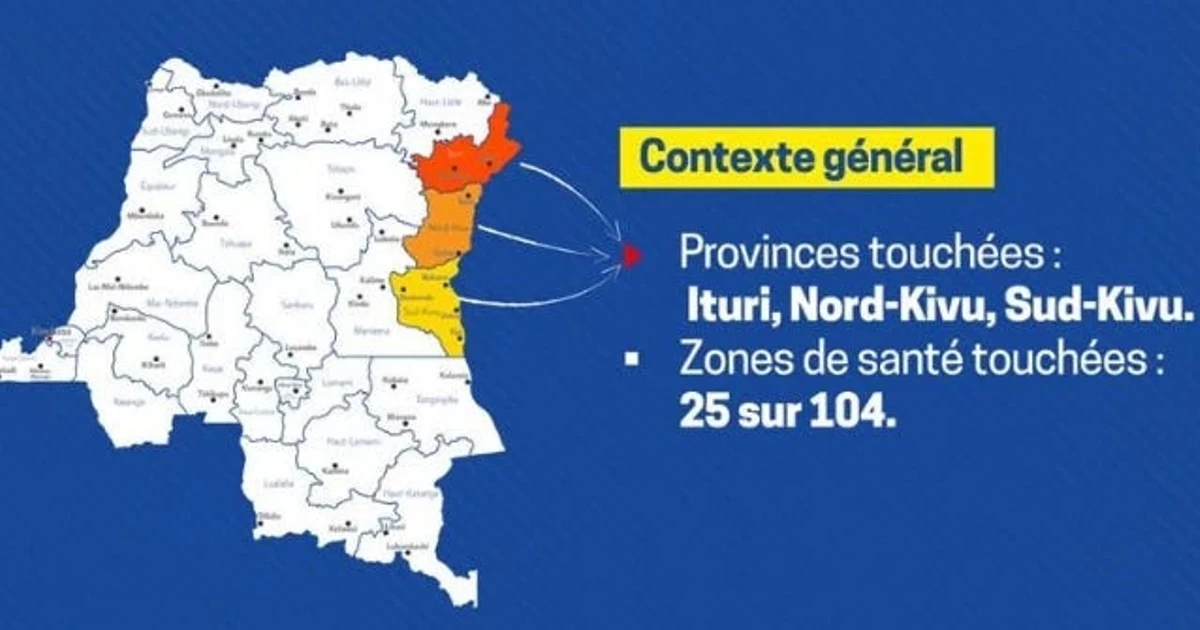
What makes this outbreak so difficult to contain is not just the virus itself but the conditions around it. WHO said the DRC outbreak had spread across 25 health zones in Ituri, North Kivu and South Kivu, with 16 confirmed cases among health and care workers. Uganda has also reported 19 confirmed cases, two confirmed deaths and one probable death, and WHO said the transmission there was epidemiologically linked to the DRC, including imported infections and secondary spread among contacts and healthcare workers.
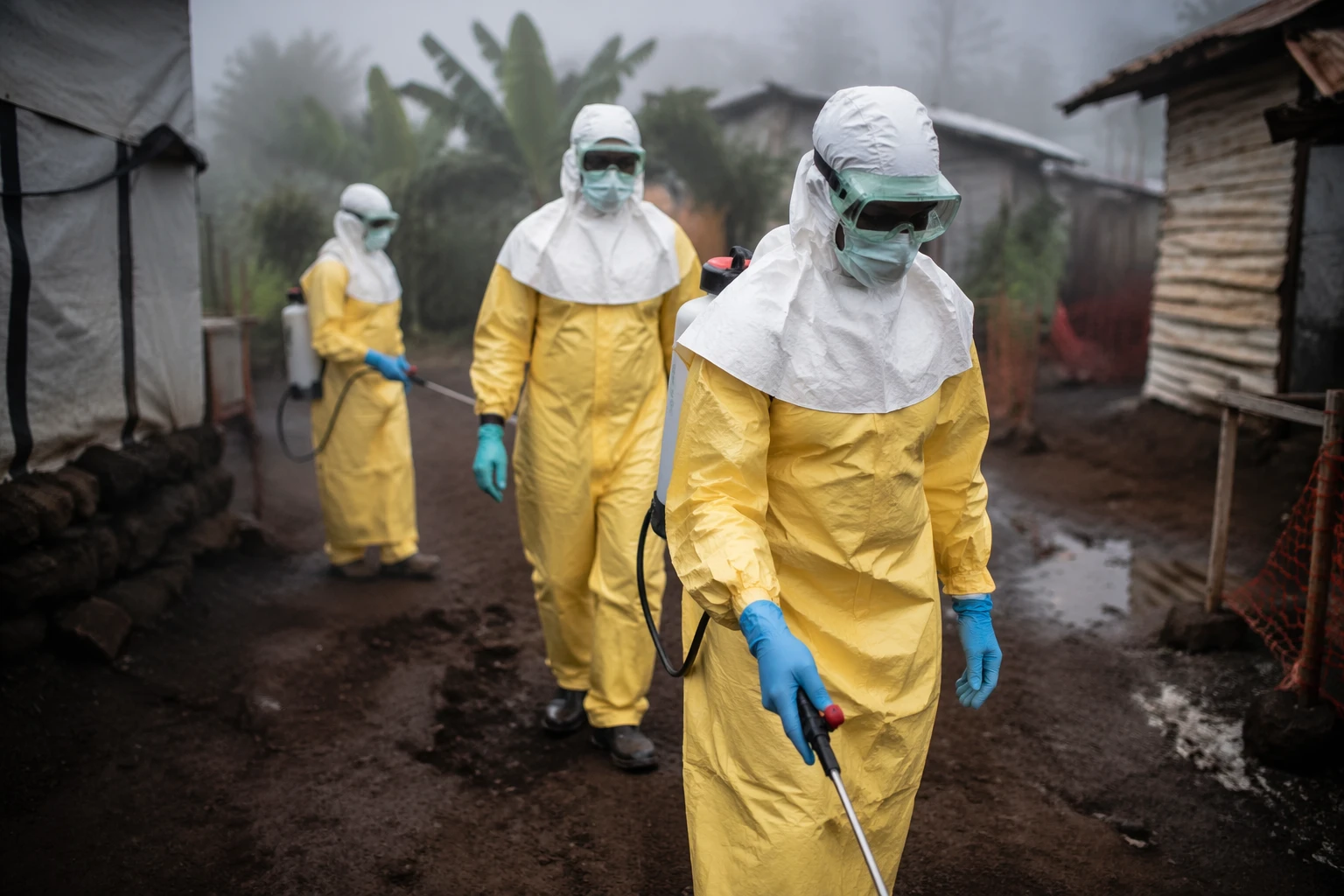
The outbreak is being driven by Bundibugyo virus, for which WHO says there is no approved vaccine or specific treatment. That leaves health officials leaning on rapid detection, contact tracing, isolation and infection control in an operating environment shaped by insecurity, cross-border movement and weak prevention measures. Tedros Adhanom Ghebreyesus warned that health authorities were "playing catch-up" after delayed detection in eastern Congo, a problem that has already allowed the outbreak to widen beyond one province or one border.

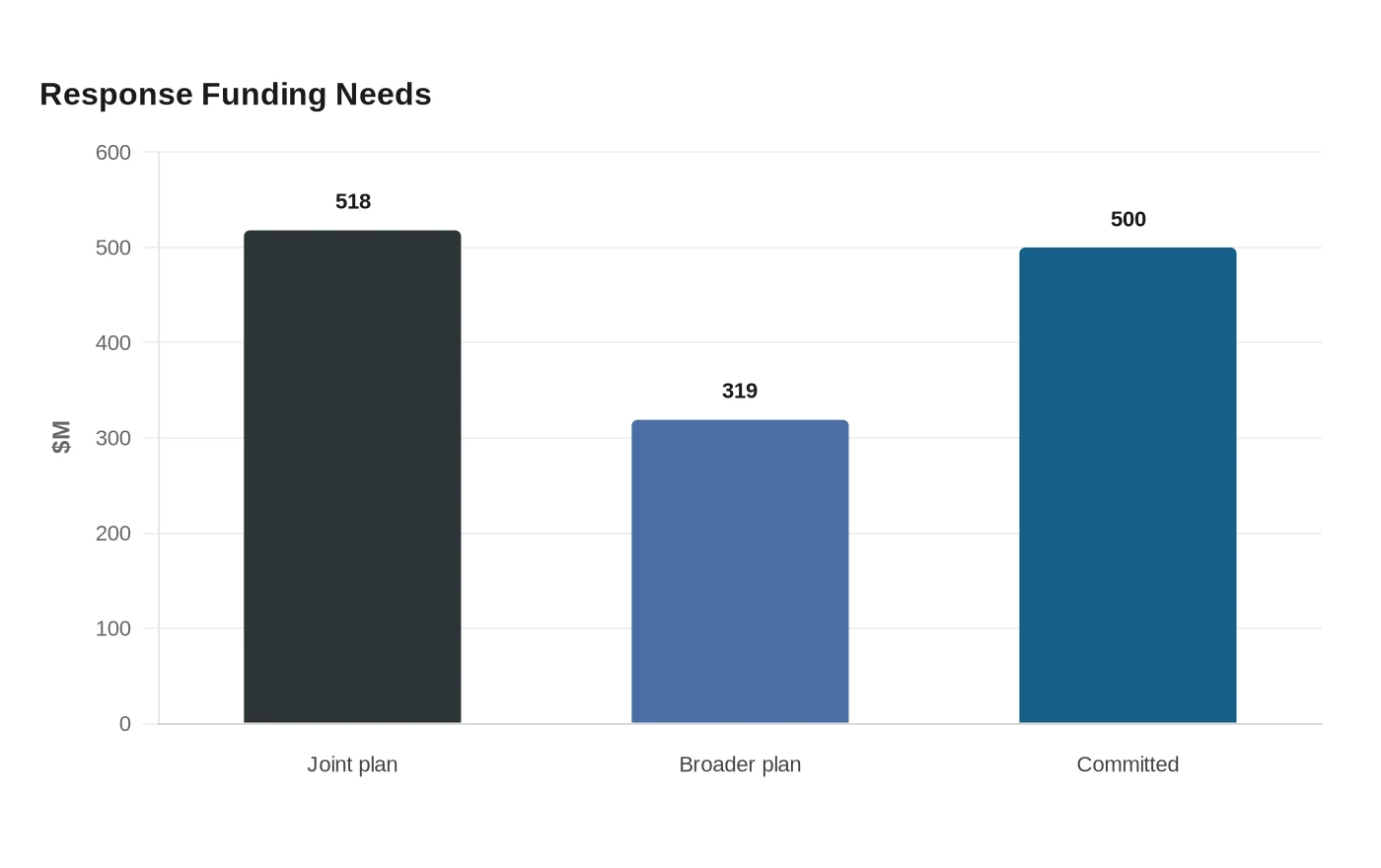
Africa CDC declared the outbreak a Public Health Emergency of Continental Security on 18 May. On 5 June, Africa CDC and WHO launched a joint continental preparedness and response plan seeking US$518 million to help African countries prepare for, detect and respond to the outbreak. African leaders had already backed a broader plan requiring at least US$319 million between June and November 2026, while Africa CDC said nearly US$500 million had been committed or pledged and warned that delays in mobilizing resources could mean wider regional transmission and greater loss of life.
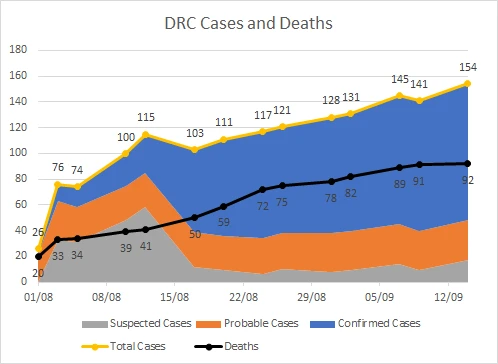
That warning matters because the indicators of a spiraling outbreak are visible now: faster case growth, infection among health workers, and spread across borders and health zones before control measures can close the gap. The U.S. Centers for Disease Control and Prevention said on 16 June there were no confirmed Ebola cases in the United States from this outbreak and that the risk to the American public remained low, but it also said it was responding in remote areas of the DRC and Uganda.
The last Ebola disaster in West Africa killed more than 11,000 people and remains the deadliest on record. If this outbreak keeps accelerating, officials fear it could become the second-largest, or even the worst ever, a reminder that the first test is not whether the world notices Ebola, but whether it moves before the virus does.
Sources
- [1]nytimes.com
- [2]who.int
- [3]cdc.gov
- [4]africacdc.org
- [5]ecdc.europa.eu
- [6]reuters.com