World
WTO at a Crossroads: Talks Facilitator Warns 'Reform or Die'
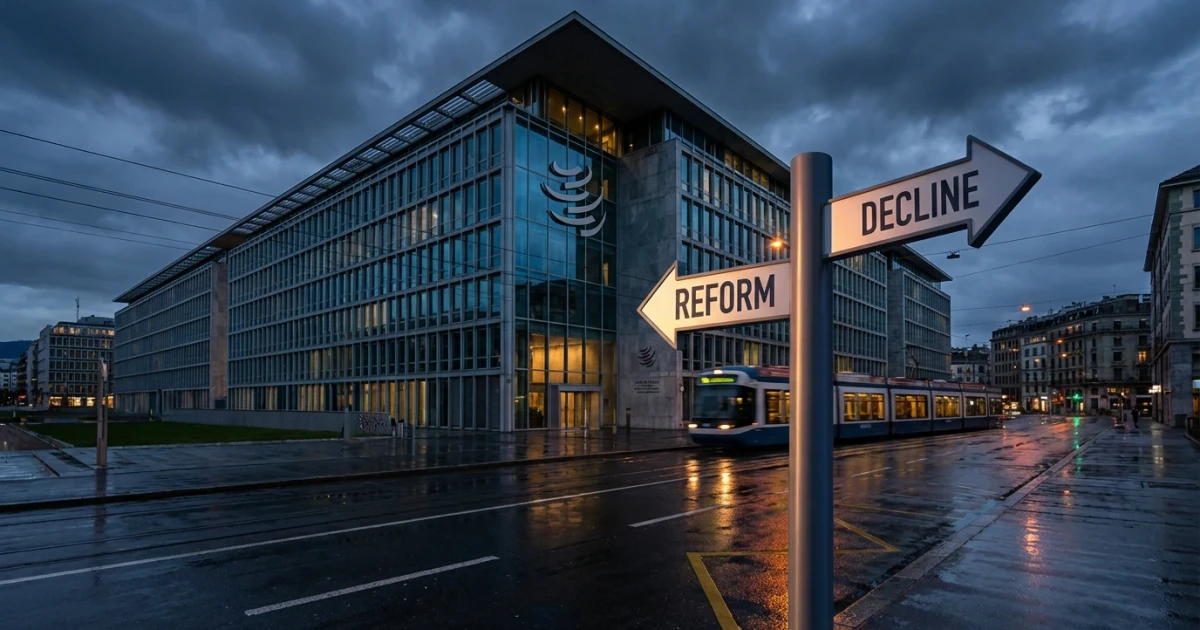
The World Trade Organization (WTO) faces a pivotal moment as a senior talks facilitator has sounded the alarm, declaring that the body must 'reform or die'. The warning comes amid mounting pressures on the multilateral trading system and ongoing debates over the organization's effectiveness in addressing present-day trade issues.
The Urgency for Reform
The stark message from the talks facilitator underscores the gravity of the situation confronting the WTO. Over the past several years, the organization has grappled with a series of challenges that have tested its credibility and operational capacity. These include:
- Stalled negotiations on critical trade agreements
- Disputes over the Appellate Body's functionality
- Growing unilateral trade actions and protectionist measures by major economies
The facilitator’s statement encapsulates the widespread consensus among trade experts: that without meaningful reforms, the WTO risks becoming increasingly marginalized in shaping global commerce.
Challenges Facing the WTO
Central to the WTO’s current predicament are deep divisions among its 164 member states. These rifts have made it difficult to reach agreements on everything from agricultural subsidies to digital trade rules. The impasse in negotiations has led to growing frustration among both developed and developing countries, who seek a more responsive and effective global trade body.
Another significant challenge is the paralysis of the organization’s dispute settlement mechanism. With the Appellate Body unable to hear new cases due to lack of quorum, the WTO's ability to enforce trade rules has been severely compromised. This has undermined confidence in the system's capacity to resolve disputes fairly and efficiently.
Calls for Modernization
Many stakeholders are advocating for a comprehensive overhaul of the WTO's structures and processes. Key priorities for reform include:
- Restoring the dispute settlement system
- Updating trade rules to reflect the realities of the digital economy
- Enhancing transparency and inclusivity for less developed members
These reforms are seen as essential for the WTO to remain relevant in an era characterized by rapid technological change, shifting economic power, and growing trade tensions.
Global Implications
The outcome of the WTO’s reform efforts will have far-reaching consequences. As the only global forum for negotiating and enforcing trade rules, the organization's future will impact businesses, workers, and consumers worldwide. Many analysts agree that a weakened or paralyzed WTO could lead to a more fragmented and uncertain global trading environment.
Looking Ahead
The facilitator’s warning—'reform or die'—serves as a clarion call for urgent action. The coming months will be critical as member states deliberate on the path forward for the WTO. Whether the organization can adapt to new realities and restore its central role in global trade remains to be seen, but the stakes for the international economy could not be higher.