Entertainment
Wuthering Heights Endures as a Tale of Passion and Controversy
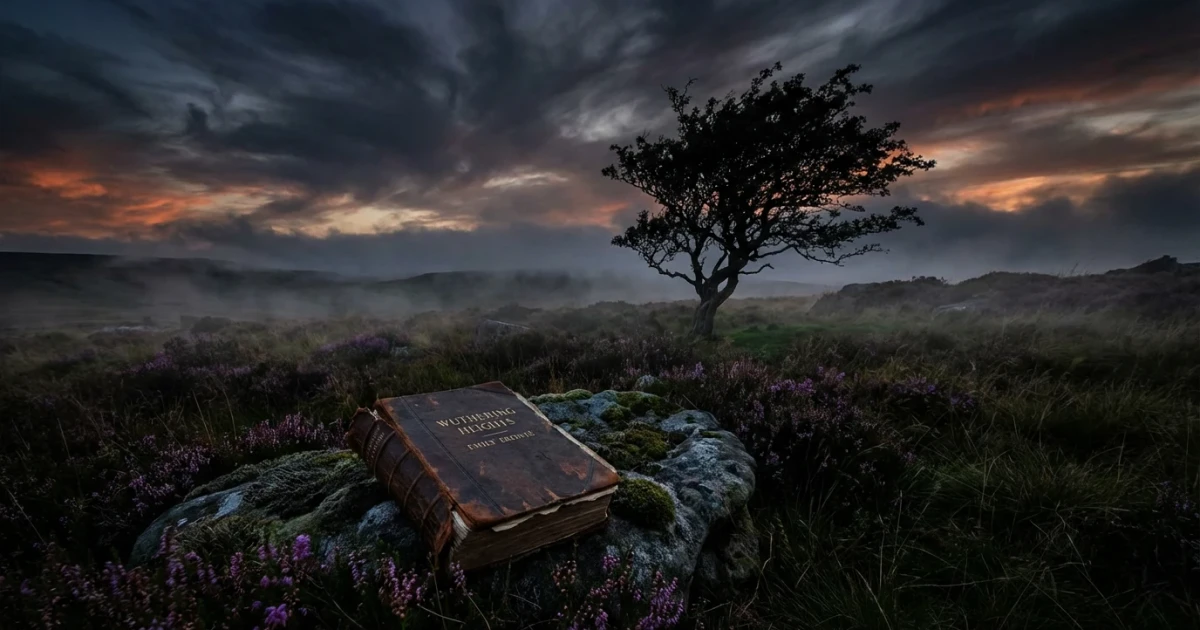
Wuthering Heights, Emily Brontë’s only novel, remains one of the most debated works in English literature—praised for its turbulent passions yet critiqued for what some call an absence of genuine feeling. As the novel celebrates its enduring legacy, critics and readers continue to grapple with its complex emotional landscape and cultural significance.
Exploring the Depths of Passion
Since its publication in 1847, Wuthering Heights has been synonymous with wild, obsessive love. The story’s tempestuous relationship between Heathcliff and Catherine has inspired generations of readers, artists, and filmmakers. NPR’s recent review underscores the novel’s “mad, passionate excess,” highlighting how Brontë’s characters are driven by fierce, often destructive, emotions that have come to define the book’s reputation as a classic of romantic literature.
- The novel’s stormy Yorkshire setting mirrors the characters’ volatile inner lives, creating a unique atmosphere that is as much a character in the story as Heathcliff or Catherine themselves.
- According to the British Library, early reactions to the novel were mixed, with some Victorian critics condemning its “coarseness” and emotional intensity, while others admired its originality.
Critical Reception and Emotional Resonance
Despite its passionate themes, NPR’s review questions whether Wuthering Heights truly connects on a deeper emotional level. The critique points to a “lack of real feeling” beneath the surface tumult, suggesting that Brontë’s characters, for all their drama, may not evoke the true empathy or catharsis found in other literary romances.
This critical debate is not new. A study in literary criticism on JSTOR notes that scholars have long been divided on the novel’s emotional authenticity. Some argue that Brontë’s depiction of love and revenge is deliberately raw and unsettling, forcing readers to confront uncomfortable truths about human nature. Others maintain that the novel’s “madness” comes at the expense of relatable feeling, leaving a coldness at its core.
Adaptations and Global Influence
Wuthering Heights has inspired countless adaptations across film, television, and stage. The British Film Institute’s guide to adaptations lists major productions from the classic 1939 film—whose release information documents its international reach—to more recent interpretations starring noted actors. Each retelling brings new perspectives, often emphasizing different facets of the original’s wild romance or psychological intensity.
- The story’s enduring appeal is reflected in its global library holdings, with thousands of libraries worldwide keeping editions in their collections.
- Modern sales data, such as book sales statistics from Statista, show that the novel continues to attract new readers, with periodic sales spikes following adaptations or critical reappraisals.
Legacy and Ongoing Debate
Whether celebrated for its passionate excess or critiqued for its emotional detachment, Wuthering Heights remains a central text in the literary canon. Its ability to provoke strong reactions—both positive and negative—underscores the unique place it holds in cultural history. As NPR’s review and decades of scholarship suggest, the novel’s contradictions are precisely what keep it alive in the public imagination.
For readers and critics alike, the question persists: does Wuthering Heights offer true emotional depth, or is it a study in the excesses of passion? Perhaps, as Emily Brontë intended, the answer lies somewhere amid the windswept moors—a testament to the novel’s enduring power to fascinate and unsettle.