US News
Wyden Presses Democrats on FISA Privacy Protections
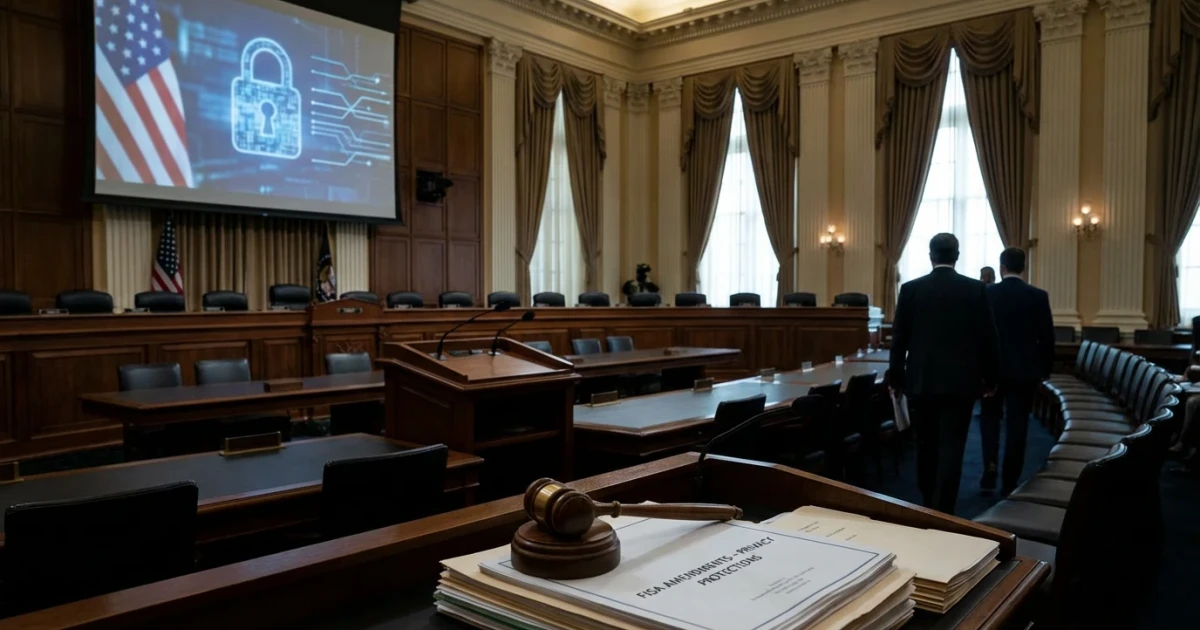
Senator Ron Wyden is urging Democratic lawmakers to unite behind new privacy amendments as Congress prepares to vote on reforms to the Foreign Intelligence Surveillance Act (FISA), Politico reported. The debate comes as a controversial surveillance program faces an uncertain legislative future, with civil liberties and national security both in the spotlight.
Push for Privacy Amendments
Wyden, a long-time privacy advocate, is calling for his party to back measures aimed at strengthening oversight and limiting the scope of intelligence collection under FISA. According to Politico, Wyden has been vocal about the need for robust privacy protections, particularly as Congress considers reauthorizing or reforming Section 702—a provision that allows warrantless surveillance of foreign targets but has drawn criticism for its incidental collection of Americans' communications.
- The privacy amendments would increase transparency around government surveillance practices.
- They aim to establish stricter limits on how intelligence agencies can query data involving U.S. citizens.
- Supporters argue the reforms are necessary to address compliance concerns documented in government oversight reports.
Divisions Within the Democratic Party
Despite Wyden’s push, the Democratic caucus remains divided. Some lawmakers prioritize national security and warn that restricting surveillance tools could hamper efforts to counter terrorism and foreign espionage. Others, echoing Wyden, see privacy safeguards as essential to preventing government overreach.
As the vote approaches, the balance of power in the House could determine whether the proposed amendments gain traction. The outcome may hinge on a small group of undecided Democrats, underscoring the high stakes and close margins.
What’s at Stake in the House Vote
At the heart of the debate is the future of the government’s surveillance authorities under Section 702. The provision, set to expire unless reauthorized, has been credited with enabling U.S. intelligence agencies to disrupt terrorist plots and monitor foreign threats. However, privacy advocates and some lawmakers cite recent reports detailing improper data queries and insufficient safeguards for Americans’ communications.
- Section 702 is set for reauthorization, but its future remains unclear amid bipartisan concerns.
- Multiple amendments are being considered to address civil liberties while maintaining intelligence capabilities.
- The House vote on the FISA reform bill will be closely watched for its impact on surveillance policy and privacy rights.
Looking Ahead
As Congress prepares for a decisive vote, the debate reflects broader tensions between national security priorities and the protection of individual privacy. Wyden’s call for unity among Democrats highlights the importance of party consensus in shaping the final outcome. With the surveillance program’s fate hanging in the balance, lawmakers face mounting pressure to find common ground on privacy reforms that satisfy both security and civil liberties advocates.