Sports
Xabi Alonso begins Chelsea rebuild with physicality and tactical flexibility

Xabi Alonso has started Chelsea’s rebuild by treating pre-season as a test of structure, not just fitness. He formally took over at the start of the month, spent two-and-a-half weeks with the squad at Cobham, and then took a 27-man group to Sydney for a two-week tour that also reaches Hong Kong, Indonesia and Malaysia.
Physicality comes first
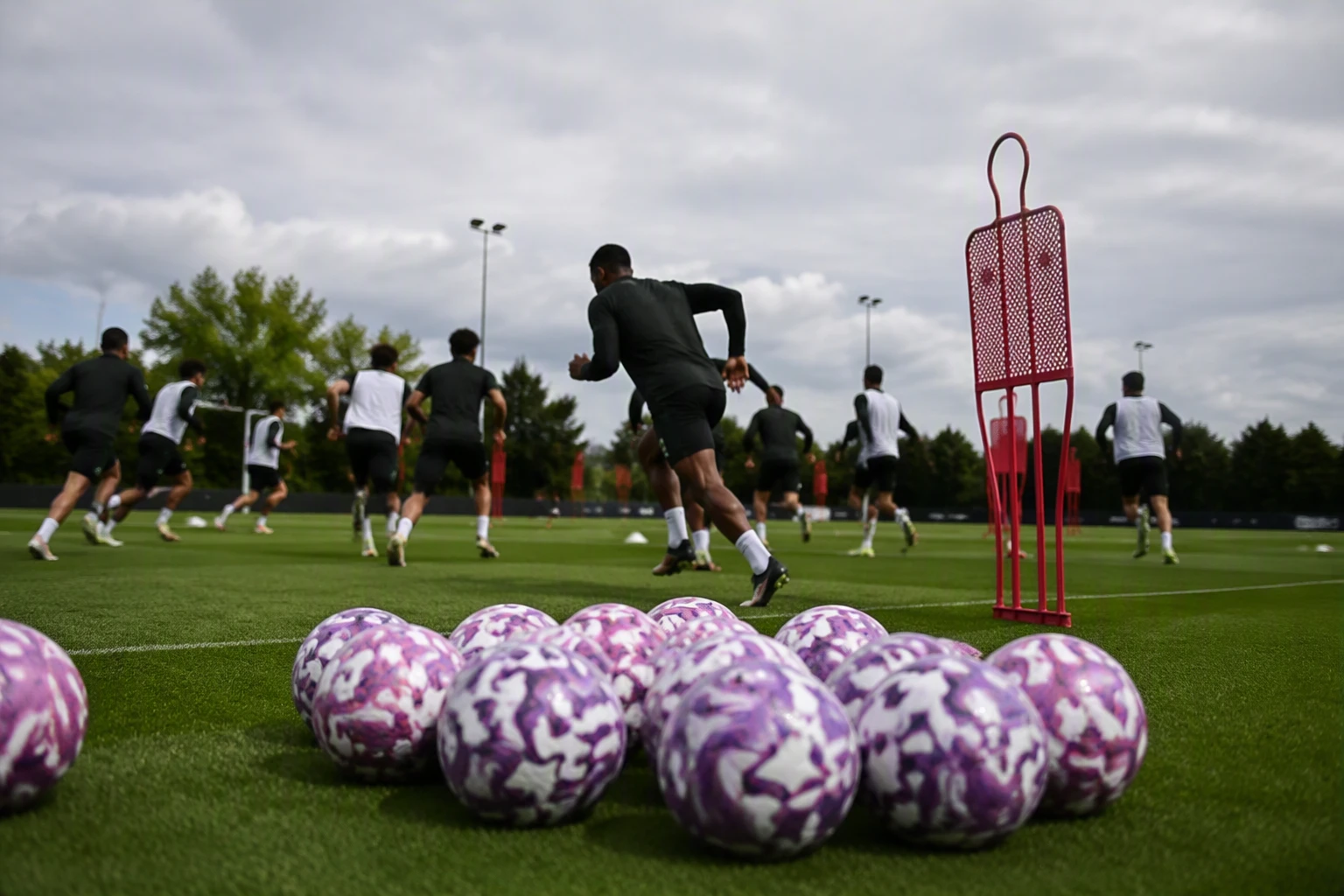
The clearest early marker of Alonso’s Chelsea is the emphasis on physicality. BBC Sport described the opening phase of his work as more in the Mauricio Pochettino mold than the Enzo Maresca one, and that framing fits the messages coming out of Cobham: the players have been pushed to meet the Premier League’s demands head-on.
Alonso has made that expectation explicit. He said Chelsea must be ready for “compulsory and mandatory” sacrifices across the league season, which is a sharper standard than the usual pre-season language about rhythm and conditioning. The point is not simply to get through the summer tour, but to prepare a group that can cope with repeated high-intensity matches once the points start counting.
Flexibility, not a fixed script
If physicality is the first theme, tactical flexibility is the second. Chelsea’s official channels have stressed that Alonso wants options as he develops his footballing philosophy, and that matters because it suggests a coach less interested in one rigid pattern than in several ways of solving the same problem.
That approach already shapes how the squad is being used. A 27-man travelling group gives Alonso room to rotate combinations, change roles and see which players can handle different game states. It also helps explain why early pre-season has included younger players as well as the established core, with the BBC noting that Alonso has promoted youngsters in the opening phase of the summer.
The opener showed both promise and problems
The first proper evidence of Alonso’s Chelsea came in his debut in the dugout, a 6-4 win over Western Sydney Wanderers. Chelsea described the match as “certainly an entertaining one”, and Alonso said the result would be “very useful for the future” because it exposed the importance of finding solutions to problems during a game.
The scoreline told its own story: Chelsea scored six, but they also conceded four, and The Athletic called it a win achieved “eventually”, while pointing to game management as a continuing issue. That is the reality check around this pre-season, because a free-scoring first outing can flatter a team if it still loses control when the match turns chaotic.
Even so, the game offered clues about where Alonso is looking for momentum. The Athletic highlighted Dario Essugo and Dastan Satpayev as players who caught the eye, and that matters because it shows the manager is already widening the frame beyond the most familiar senior names. Promoting younger options is only useful if they can handle the tempo and the defensive details that decide matches in England.
A tour built for testing, not comfort
Chelsea’s tour structure underlines how deliberately this rebuild is being staged. After the Sydney leg, Alonso and Moisés Caicedo were listed by Chelsea for a press conference ahead of the third tour game against Juventus at Kai Tak Sports Park in Hong Kong, a sign that the club is using the trip to present the new manager’s ideas publicly as well as privately.
Chelsea also published a video update, “Alonso on pre-season so far”, on 31 July 2026, showing that the club wants regular evidence of progress rather than a single grand unveiling. Then came the 3-0 win over AC Milan in Jakarta on 8 August 2026, after which Chelsea posted Alonso reflections that pointed to a team being sharpened physically, tactically and mentally.
That contrast between the 6-4 opener and the 3-0 Milan result is the most useful way to read the tour so far. The first game exposed defensive looseness and transition problems; the later result suggested a cleaner, more controlled version of the team. Both matter, but the second is closer to the standard Alonso needs if Chelsea are to survive the league’s “compulsory and mandatory” demands.
What this means for Chelsea
The early evidence points to a manager trying to build habits rather than chase flattering summer headlines. Physical work at Cobham, a large travelling group, younger players getting minutes, and repeated references to options and game management all suggest a side being prepared for more than one way to win.
The real test will come when the preseason noise disappears and the league schedule starts compressing decisions. For now, Alonso has already shown the shape of his Chelsea: stronger, more adaptable, and less willing to rely on one neat pattern to solve every match.
Sources
- [1]bbc.co.uk
- [2]chelseafc.com
- [3]bbc.com
- [4]nytimes.com
- [5]youtube.com
- [6]roundtable.io