Technology
xAI faces backlash over unpermitted turbines near Memphis data center
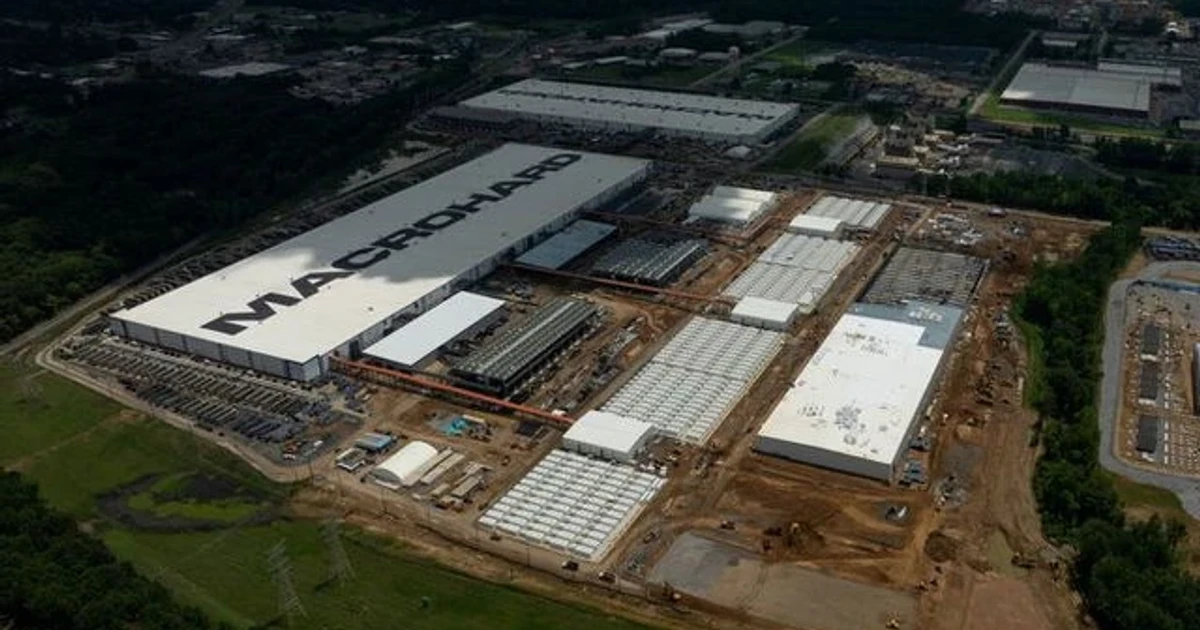
xAI installed 59 natural gas turbines for its Colossus 2 data-center project without securing federal clean-air permits, and at least 57 of them are in Mississippi just over the Tennessee line from Memphis. The turbines were operating outside the permit process, and the pollution they could emit exceeds the threshold that would normally trigger federal review.
About five miles from the facility on the Tennessee side, roughly 94% of residents are Black. In DeSoto County, Mississippi, within five miles of the turbines, about 46% of residents are Black, compared with 33% countywide.
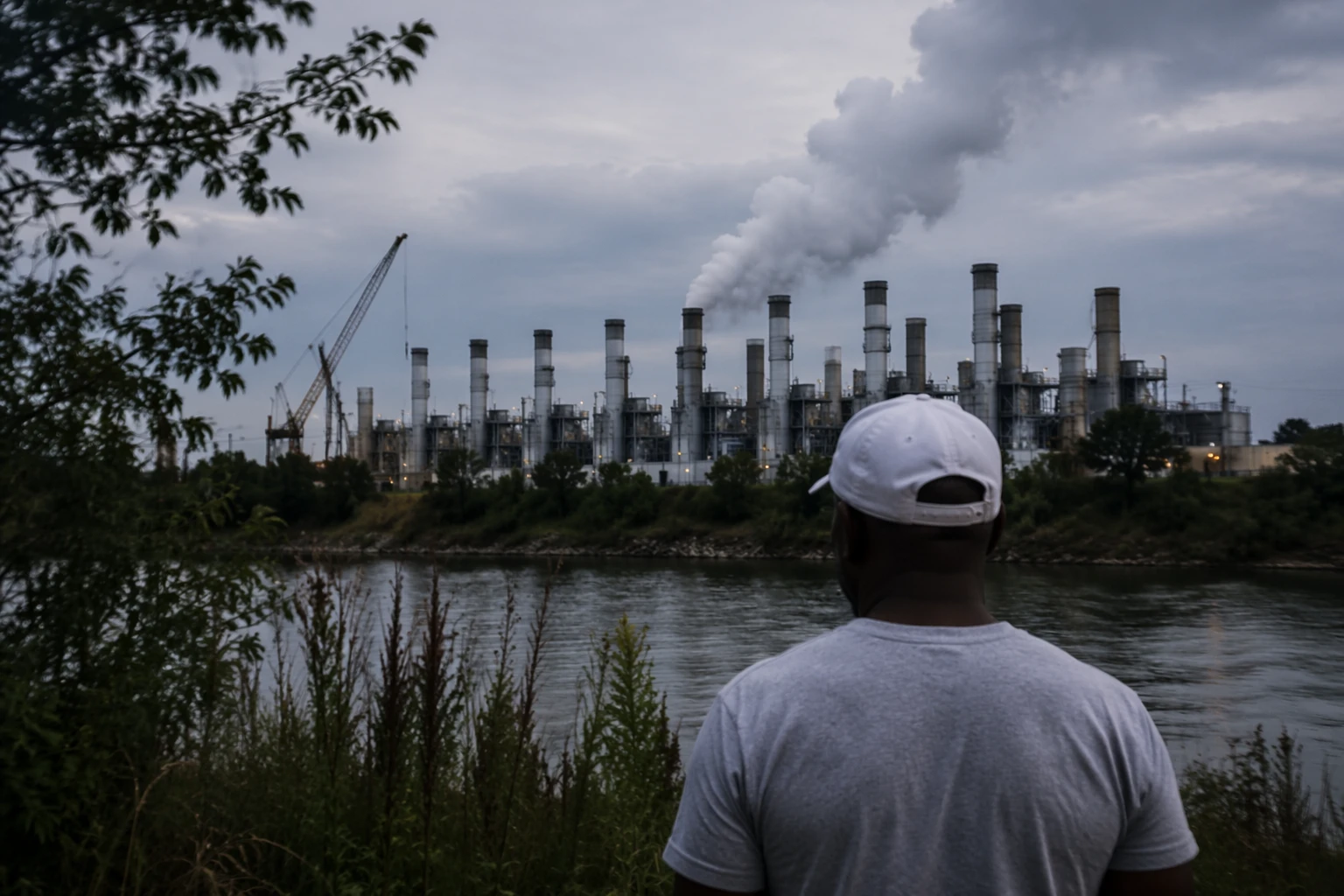
The dispute has been building since xAI began operating its South Memphis data center in June 2024. The Shelby County Health Department issued an air permit on July 2, 2025, for 15 stationary natural gas turbines at xAI’s 3231 Paul R. Lowry Road facility, after months of public hearings and protests. The Southern Environmental Law Center challenged the permit on the grounds that xAI had already installed 35 gas turbines without permits, oversight, or community input before that permit was issued. Environmental groups and the NAACP appealed the decision, centering the department’s alleged failure to account for xAI’s continued use of turbines not covered by the permit and hundreds of opposing comments.
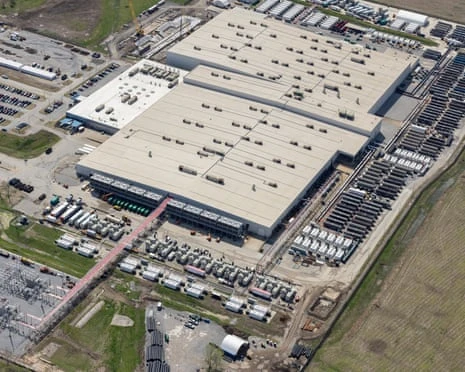
In Southaven, Mississippi, the NAACP and environmental groups filed suit on April 14, 2026, against xAI and its subsidiary MZX Tech over dozens of unpermitted methane gas turbines at Colossus 2. The coalition later sought an injunction to force xAI to stop using the turbines. Community groups have pressed regulators to act as residents raised alarms over worsening air quality.
In January, the Environmental Protection Agency finalized amendments to the New Source Performance Standards for stationary combustion turbines and added a separate subcategory for stationary temporary combustion turbines. Tennessee’s air-permitting system is shared by the Memphis-Shelby County Health Department, the Tennessee Department of Environment and Conservation, EPA Region 4, and other local agencies, with the Clean Air Act generally relying on state and local implementation under regional federal oversight.