Technology
xAI sues Minnesota over law banning nudification tools
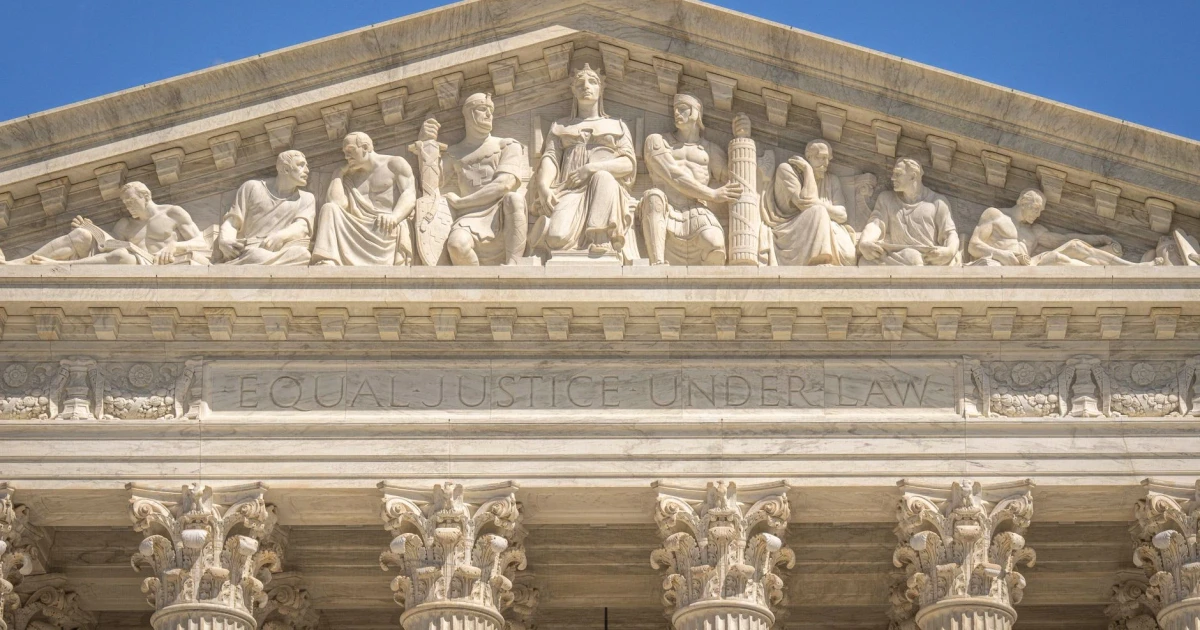
xAI sued Minnesota in federal court over a new state law banning nudification technology, putting Elon Musk’s AI company at the center of a fight over how far states can go to police synthetic sexual images without running into First Amendment limits.
The Minnesota measure is set to take effect Aug. 1, 2026, and the Minnesota House said it bars people who own or control websites, apps, software, programs or other services from letting users access, download or use them to nudify an image or video, or to do it on a user’s behalf. The House summary also says advertising or promoting such services is restricted. Minnesota lawmakers have described it as the nation’s first ban on nudification apps.
The law is aimed at a specific harm: tools that can strip clothing from photos or generate realistic sexualized images and videos without consent. Advocates and lawmakers have argued that those tools make it easier to create nonconsensual explicit imagery, including child sexual abuse material, with little more than a few prompts. One reported account said Sen. Erin Maye Quade, DFL-Apple Valley, began working on the bill two years ago after women told her that a man in their lives had taken photos from their social media accounts and turned them into hyper-realistic sexual images and videos affecting more than 80 women.
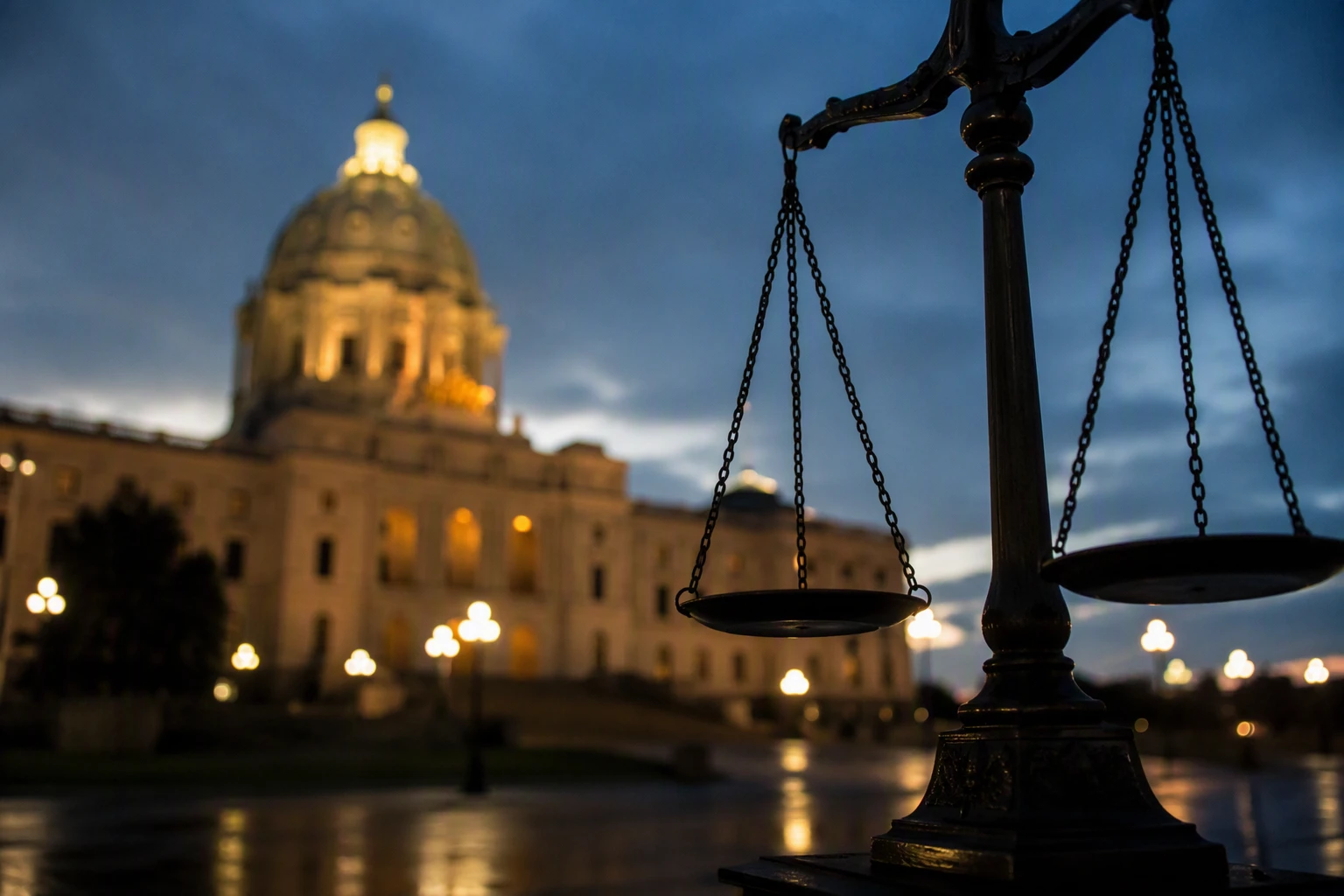
Maye Quade and advocates highlighted the bill at a Minnesota Senate Media Services press conference at the Minnesota State Capitol on July 29. Keith Ellison, the Minnesota attorney general, said he would review the lawsuit and respond in court. CBS Minnesota reported that Musk’s company was challenging the law as a violation of the First Amendment, while the Minnesota Reformer and other outlets said xAI filed the case in federal court.
The legal stakes extend beyond Minnesota. If xAI prevails, it could make it harder for states to impose narrow technology-specific bans on abusive AI tools. If Minnesota wins, the ruling could give other states a clearer path to regulate consumer AI products that generate sexualized deepfakes, impersonation content and other harmful synthetic media. The measure also fits into Minnesota’s broader effort to regulate AI deception: a 2023 state law criminalized sex-related deepfake activity, and a Minnesota Secretary of State explainer says the state also regulates election deepfakes, including material shared within 90 days of an election.
Under Minnesota’s nudification law, companies that create the images could face civil penalties of up to $500,000, and victims can seek damages in civil court. That makes the case a direct test of whether states can draw lines around the most abusive uses of generative AI before those tools become even easier to deploy at scale.
Sources
- [1]theguardian.com
- [2]house.mn.gov
- [3]youtube.com
- [4]cbsnews.com
- [5]fox9.com
- [6]sctimes.com
- [7]thecentersquare.com
- [8]mprnews.org
- [9]sos.mn.gov