World
Xi and Kim signal new thaw in China-North Korea ties
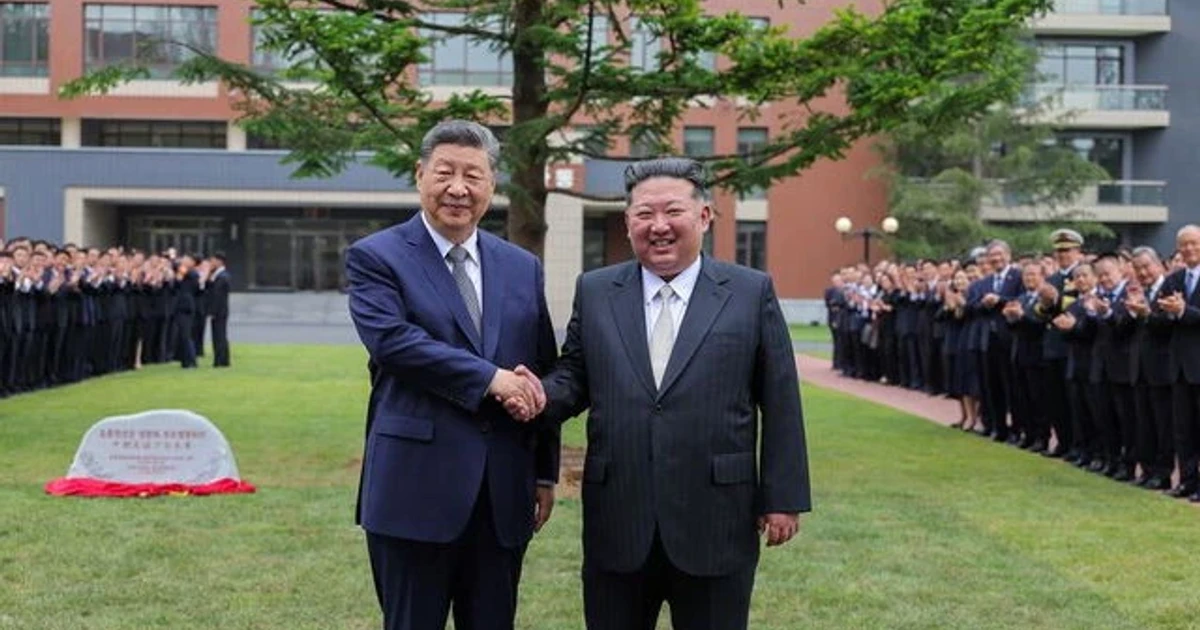
Xi Jinping and Kim Jong Un used Xi’s rare trip to Pyongyang to announce a sharper political thaw, saying their talks produced an “important consensus” and a renewed pledge to safeguard regional and global peace. The visit was Xi’s first to North Korea in seven years, since his June 20-21, 2019 state visit, and it underscored how closely Beijing and Pyongyang are once again aligning after years of pandemic isolation and diplomatic drift.
Xi said in a message of thanks that he and Kim had exchanged in-depth views on issues of common concern and reached a series of important joint consensus. He said the visit had been “successfully concluded,” that relations had entered a “new historical stage,” and that he hoped to meet Kim again. North Korea’s state media described the outcome as a “far-reaching blueprint” for bilateral ties, while the two governments avoided any public reference to denuclearization, even as the United States and its allies continue to press that goal.
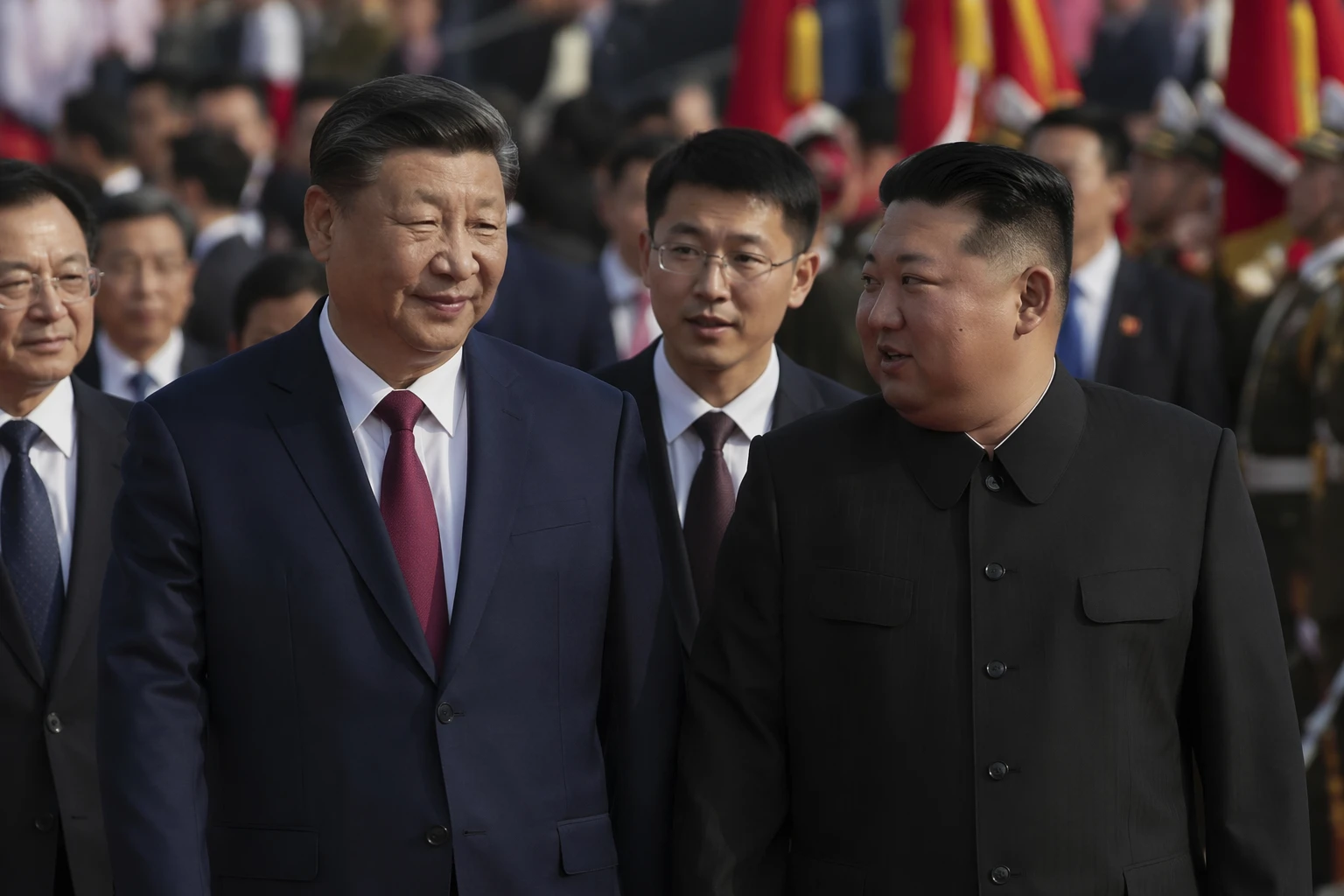
The sides said they would expand cooperation across politics, the economy, trade and culture, and strengthen strategic communication between their governments. Chinese official media also highlighted practical cooperation in agriculture, technology and construction, alongside the reopening of border crossings and the return of civil aviation flights and international passenger trains. Those links matter because North Korea sealed its borders in January 2020 at the start of the COVID-19 pandemic, freight trains with China resumed in September 2022, and passenger rail service linking Pyongyang and Beijing returned in March 2026 after a six-year suspension. The Pyongyang-Beijing route was reported to run four times a week, while the Pyongyang-Dandong route ran daily.
The symbolism was just as carefully staged. Xi and Kim appeared together at the Sino-Korean Friendship Tower, which commemorates Chinese soldiers who died in the Korean War, and at a political training school for party cadres. This year marks the 65th anniversary of the China-DPRK Treaty of Friendship, Cooperation and Mutual Assistance, signed on July 11, 1961, and Chinese commentary ahead of the visit said the anniversary should be used to deepen cooperation and promote peace, stability and prosperity. South Korean officials had even speculated that June 11 would be the visit date because of the treaty anniversary.
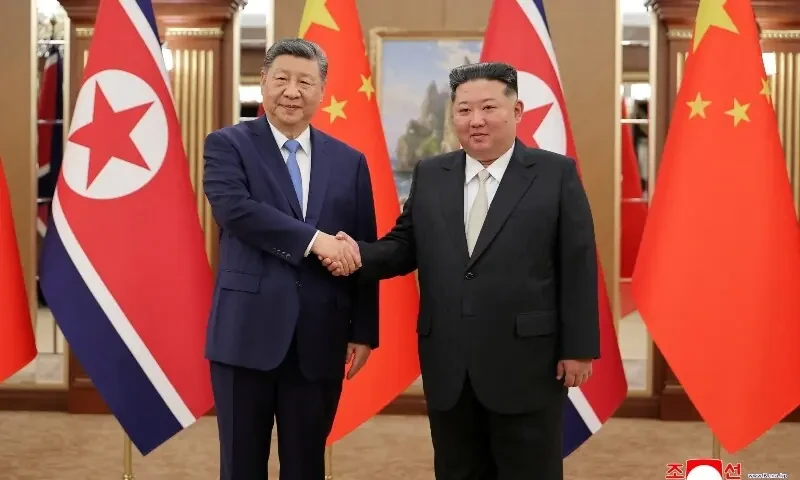
For Washington and regional capitals, the message was less about ceremony than leverage. China remains North Korea’s most important diplomatic and economic backer, and a more durable thaw makes it harder to use sanctions pressure or diplomatic isolation to pry the two apart. The timing also comes as North Korea deepens relations with Russia, while the U.S. Department of State still warns Americans not to travel to North Korea and says the U.S. has no diplomatic relations with Pyongyang.
Sources
- [1]usnews.com
- [2]cbc.ca
- [3]en.yna.co.kr
- [4]english.news.cn
- [5]travel.state.gov
- [6]cnbc.com
- [7]reuters.com