US News
Xi and Trump Hold Talks in Beijing Amid Global Tensions
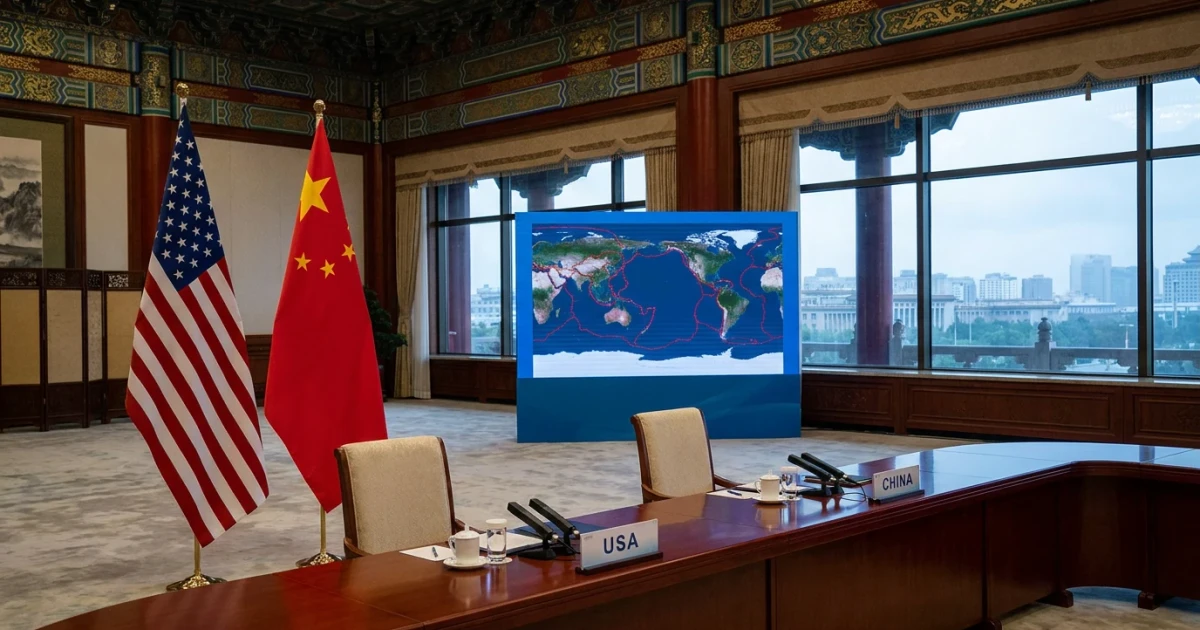
Chinese President Xi Jinping hosted former US President Donald Trump at Beijing’s Zhongnanhai leadership compound this week, marking a significant moment in the ongoing US-China relationship. The high-profile summit tackled economic rivalry, global security concerns, and the future of American policy toward Iran.
Strategic Rivalry at the Forefront
The meeting, covered in live updates by CNN, highlighted the persistent competition between the world’s two largest economies. President Xi reportedly cautioned Trump about the dangers of the so-called Thucydides Trap, a concept describing how rising powers and established powers often clash—potentially leading to conflict. This reference underlined growing anxieties in both Washington and Beijing about escalating rivalry and the risks of confrontation.
- Both leaders addressed the importance of managing competition responsibly.
- Discussion centered on how to avoid miscalculation and maintain global stability.
- The summit included talks on trade, technology, and regional security.
Ongoing Iran Campaign
Another major point of discussion was Iran. President Xi commented that China’s campaign concerning Iran would ‘be continued,’ signaling ongoing Chinese involvement in Middle Eastern affairs. While details were scarce, the statement pointed to China’s intent to play a larger diplomatic and economic role in the region—a move that could conflict with US interests as outlined in recent Brookings research.
- China has increased its investments and diplomatic engagement in the Middle East.
- This comes as the US maintains sanctions on Iran, documented in UN records.
- Beijing’s actions could further complicate efforts to resolve tensions over Iran’s nuclear ambitions.
Economic and Public Opinion Context
The summit unfolded against the backdrop of ongoing trade disputes and mutual suspicion. Recent public opinion surveys show that both Americans and Chinese remain wary of each other’s global intentions. According to IMF data, China and the US remain economic heavyweights, with combined GDPs representing a large share of global output. Yet, both sides continue to implement policies aimed at safeguarding their own interests—often at the expense of cooperation.
What Is the Thucydides Trap?
The historical analogy invoked by Xi refers to a theory that when a rising power threatens to displace an existing power, the likelihood of war increases. Originating from the ancient Greek conflict between Athens and Sparta, the Thucydides Trap has become a lens through which many analysts view current US-China relations. Both leaders’ acknowledgment of this risk highlights the seriousness with which they approach the current geopolitical climate.
Looking Ahead
While the summit produced no major breakthrough announcements, the face-to-face dialogue was a signal that both sides, despite deep differences, recognize the need for continued engagement. As China pursues its interests in the Middle East and the US considers its long-term strategic position, global observers will be watching closely.
Future summits and diplomatic efforts will likely focus on managing competition rather than resolving it outright. The risk of misunderstanding remains high, but open channels between Washington and Beijing are viewed as essential for global stability.