World
Xi Jinping Arrives in North Korea for High-Level Talks
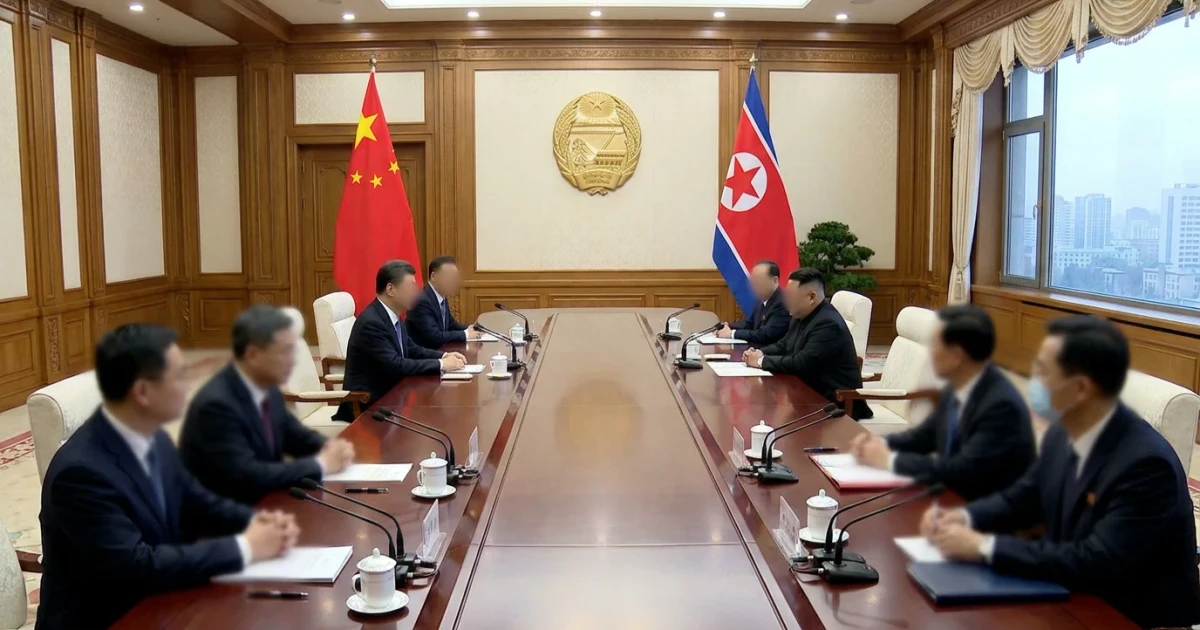
Chinese President Xi Jinping landed in North Korea this week, marking a rare and closely watched diplomatic visit to meet with North Korean leader Kim Jong Un. The trip underscores evolving relations between the two neighbors as regional powers vie for influence over Pyongyang’s future.
Diplomatic Significance of the Visit
Xi's arrival in North Korea is seen as a pivotal moment, given the infrequency of such high-level exchanges. According to the official records of the Ministry of Foreign Affairs of China, previous bilateral meetings have often focused on economic cooperation, security, and strategic alignment. This latest visit is expected to reinforce longstanding ties while addressing ongoing challenges, such as sanctions and border controls.
Regional Competition for Influence
The BBC reports that China’s engagement comes amid increased competition with Russia for North Korea’s allegiance. Both Beijing and Moscow have sought deeper ties with Pyongyang, leveraging economic aid, security guarantees, and diplomatic support. Analysts note that China remains North Korea’s primary trading partner, providing the bulk of cross-border trade and humanitarian assistance. However, Russia’s recent outreach has added complexity to the regional balance.
- China-North Korea trade volumes are tracked in the UN Comtrade Database, showing fluctuations in goods and commodities exchanged.
- Border activity and infrastructure projects, monitored by NK Pro’s Border Activity Tracker, highlight the ongoing importance of physical connections between the two countries.
- Historical analysis from Brookings suggests that while China’s leverage is significant, North Korea has periodically sought to diversify its alliances.
Economic and Security Themes
China’s relationship with North Korea is rooted in both economic necessity and strategic interests. The bulk of North Korean exports and imports flow through China, making Beijing a lifeline for Pyongyang’s economy. According to the UN Comtrade Database, recent years have seen a dip in trade volumes due to pandemic restrictions and international sanctions, but renewed diplomatic activity could signal efforts to restore economic engagement.
Security concerns remain central to the talks, as North Korea continues its missile and nuclear program. China has traditionally advocated for stability and denuclearization on the peninsula, while also seeking to prevent regime collapse that could lead to regional instability. Diplomatic records from the Chinese Ministry of Foreign Affairs highlight ongoing discussions about peace, security guarantees, and the role of multilateral negotiations.
Implications for the Region
Xi Jinping’s visit is likely to set the tone for future diplomatic engagement in Northeast Asia. With Russia also seeking closer ties, North Korea may leverage these relationships to gain economic and political concessions. The CSIS Beyond Parallel project provides detailed timelines and analysis of how these shifts affect broader regional security and economic trends.
As the summit unfolds, observers will watch for announcements on trade, border reopening, and security cooperation. The diplomatic choreography between China, North Korea, and Russia continues to shape the future of the Korean Peninsula and the wider region.
Looking Ahead
While the immediate outcomes of Xi Jinping’s visit remain to be seen, the high-profile engagement signals that China intends to remain a central player in North Korean affairs. As trade, security, and diplomatic negotiations evolve, the region will be watching for signs of deeper cooperation—and potential shifts in the balance of power.