Technology
Xi Jinping calls for global collaboration to govern artificial intelligence
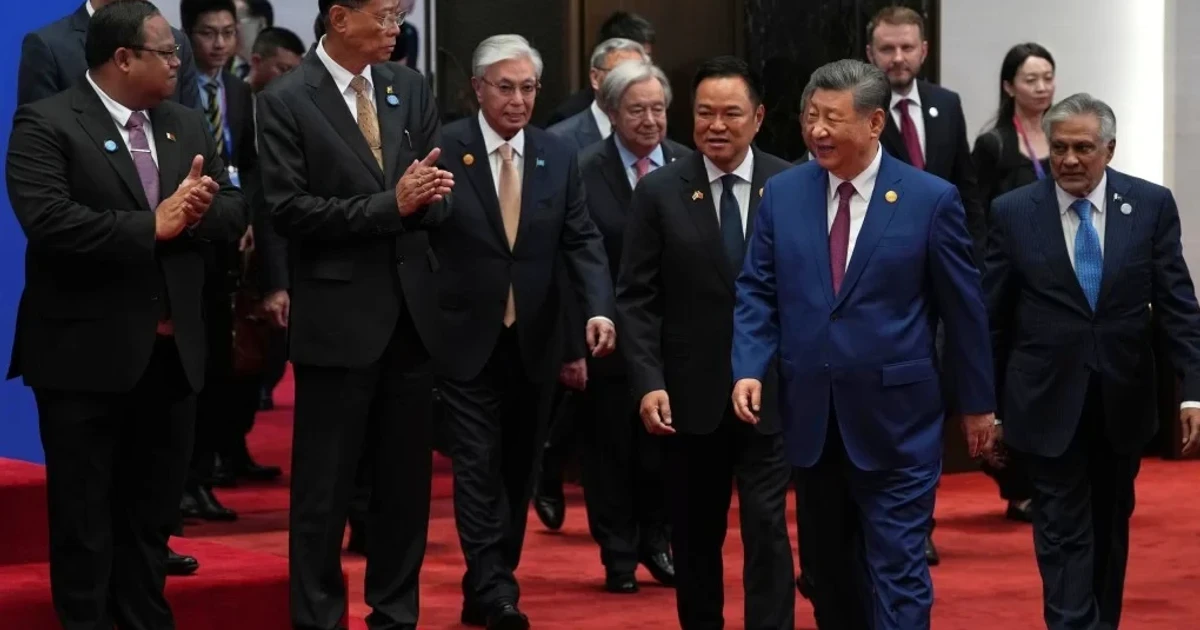
Xi Jinping used the opening of the World Artificial Intelligence Conference in Shanghai to argue that artificial intelligence should not be a “solo performance” but a “symphony of global collaboration.” He said AI should not be dominated by a single country and framed the technology as something that must be developed “for the good and for humanity,” even as the United States tightens curbs on China’s access to advanced technology and chips.
Xi said China would support other countries and deepen cooperation in AI development and governance, including training and capacity-building. He also warned against exclusive arrangements that would lock advanced AI behind a few powers, a message that put Beijing’s language of openness directly against a sharper race to define the global rules for the technology.
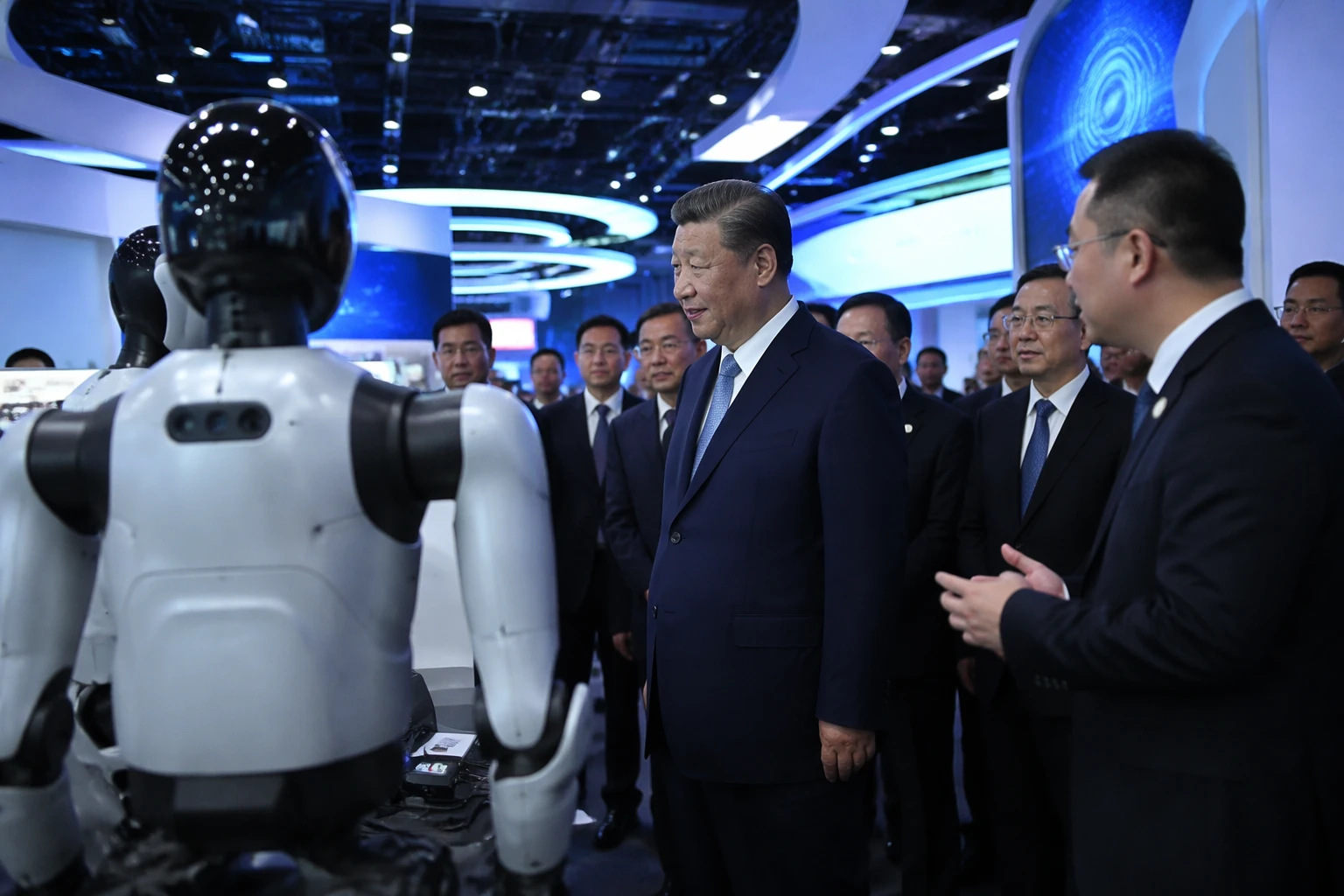
The Shanghai forum has become one of China’s main stages for that effort. In 2024, Chinese Premier Li Qiang opened the World AI Conference and a parallel High-Level Meeting on Global AI Governance, while U.N. Secretary-General António Guterres attended, giving the gathering unusual diplomatic weight. The Chinese Foreign Ministry later published the Shanghai Declaration on Global AI Governance on July 4, 2024, underscoring Beijing’s push to present itself as a rule-maker, not just a fast follower, in a field that now sits at the center of industrial policy and national security.

Xi’s remarks also followed a June 24, 2024 speech at the Nationwide S&T Conference, National Science and Technology Awards Conference, and Conference of Academicians of the Chinese Academy of Sciences and Chinese Academy of Engineering, where he stressed China’s need to build strength in AI and related technologies. In 2025, Reuters reported that Xi again called for self-sufficiency in AI development amid rivalry with the United States, showing how closely his calls for global cooperation have been paired with a drive for domestic independence.
That tension matters for American companies and regulators because the competition is no longer just over market share. It is a struggle over which standards govern AI systems, whose models spread internationally, and how much leverage each side has over the infrastructure that supports them. China’s blend of multilateral rhetoric, governance declarations and self-reliance keeps the contest focused on who writes the rules of AI and who has to live with them.
Sources
- [1]nytimes.com
- [2]thehindu.com
- [3]reuters.com
- [4]mfa.gov.cn
- [5]cset.georgetown.edu
- [6]nbcnews.com
- [7]uscc.gov