World
Xi Jinping Praises China-Russia Relationship Amid Global Tensions
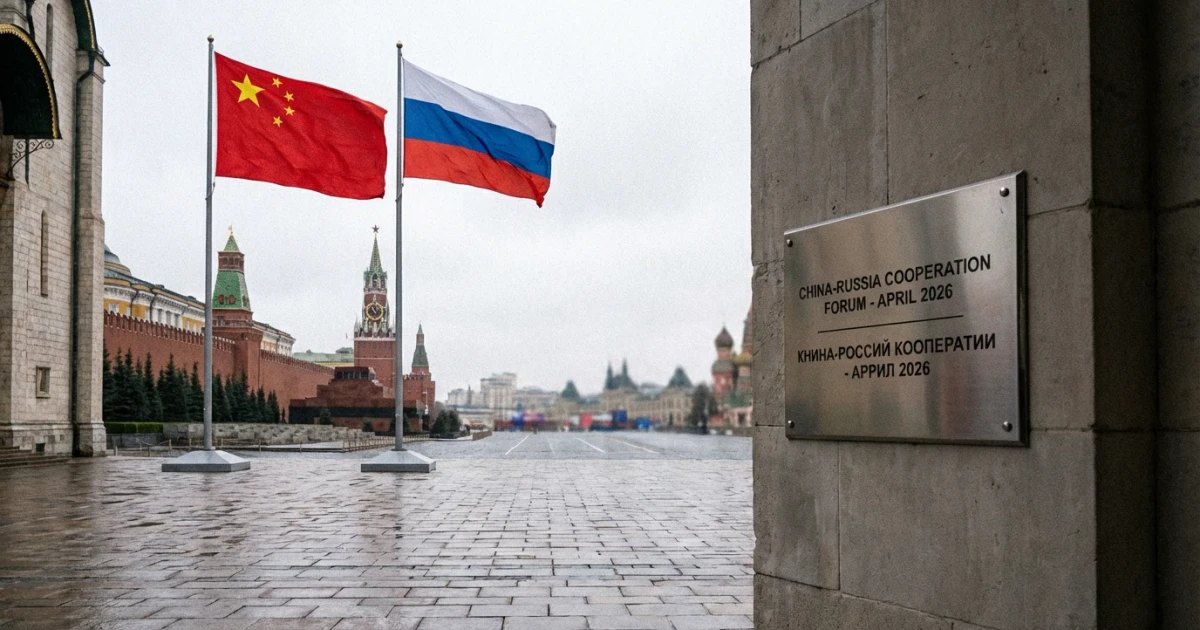
Chinese President Xi Jinping has publicly described the relationship between China and Russia as 'precious' during a recent statement, highlighting the importance Beijing places on its partnership with Moscow amid increasing global uncertainties. Xi's remarks come as both countries continue to deepen their political, economic, and security cooperation on the international stage.
Emphasis on Strategic Partnership
Xi’s comments, as reported by Audacy, underscore Beijing’s commitment to strengthening its alliance with Russia. In the face of shifting alliances and growing tensions with Western powers, China has continued to refer to its relationship with Russia as a cornerstone of its foreign policy. Xi called the partnership 'precious,' reflecting not only a shared history but also a mutual interest in counterbalancing Western influence in global affairs. This sentiment aligns with official statements previously released by the Ministry of Foreign Affairs of China, which consistently describe China-Russia ties as a model of cooperation among major powers.
Economic and Trade Ties Grow Stronger
China and Russia’s economic relationship has intensified in recent years, with both nations expanding trade and investment. According to the UN Comtrade Database, bilateral trade between China and Russia reached record highs in 2023, driven by increased energy exports from Russia and rising Chinese demand for oil, gas, and agricultural products. Monthly and annual statistics from CEIC also show China’s trade balance with Russia has remained positive, reflecting China’s growing role as a key market for Russian goods.
- China is Russia’s largest trading partner, with bilateral trade surpassing $190 billion in 2023.
- Energy accounts for the majority of Russian exports to China, including oil, natural gas, and coal.
- China exports machinery, electronics, and consumer goods to Russia, supporting Russia’s domestic market.
The OECD notes that despite sanctions and geopolitical challenges, both countries have continued to find ways to expand their economic cooperation, including through alternative payment systems and cross-border infrastructure projects.
Security and Military Cooperation
Beyond economics, China and Russia have intensified military and security cooperation. Joint military exercises, technology sharing, and arms transfers are now regular features of the bilateral relationship. Data from the SIPRI Arms Transfers Database show a steady exchange of military equipment, with Russia supplying advanced weapons systems and technology.
- Recent years have seen several large-scale joint military drills, including both land and naval operations.
- China has purchased advanced Russian air defense systems and fighter jets.
- Both nations advocate for a multipolar world order, challenging Western military alliances.
Geopolitical Implications
The deepening China-Russia partnership has raised questions among international observers about shifting global power dynamics. Analysts at Brookings suggest that the partnership, while not a formal alliance, presents a significant challenge to the existing international order dominated by the United States and its allies. Both countries have signaled their intent to cooperate on global governance issues, including reforming international institutions and promoting an alternative vision of global security.
While China and Russia’s interests do not always align perfectly—particularly in Central Asia and the Arctic—their shared opposition to Western sanctions and interventionism has driven them closer together.
Looking Ahead
Xi Jinping’s description of the China-Russia relationship as 'precious' signals Beijing’s intent to maintain and deepen its partnership with Moscow, regardless of external pressures. As global competition intensifies, observers expect the two countries to continue leveraging their combined economic and strategic weight to pursue mutual interests. The evolving China-Russia relationship will remain a key factor in shaping international affairs in the years ahead.