World
Xi visits North Korea to gauge Kim's anti-U.S. ambitions
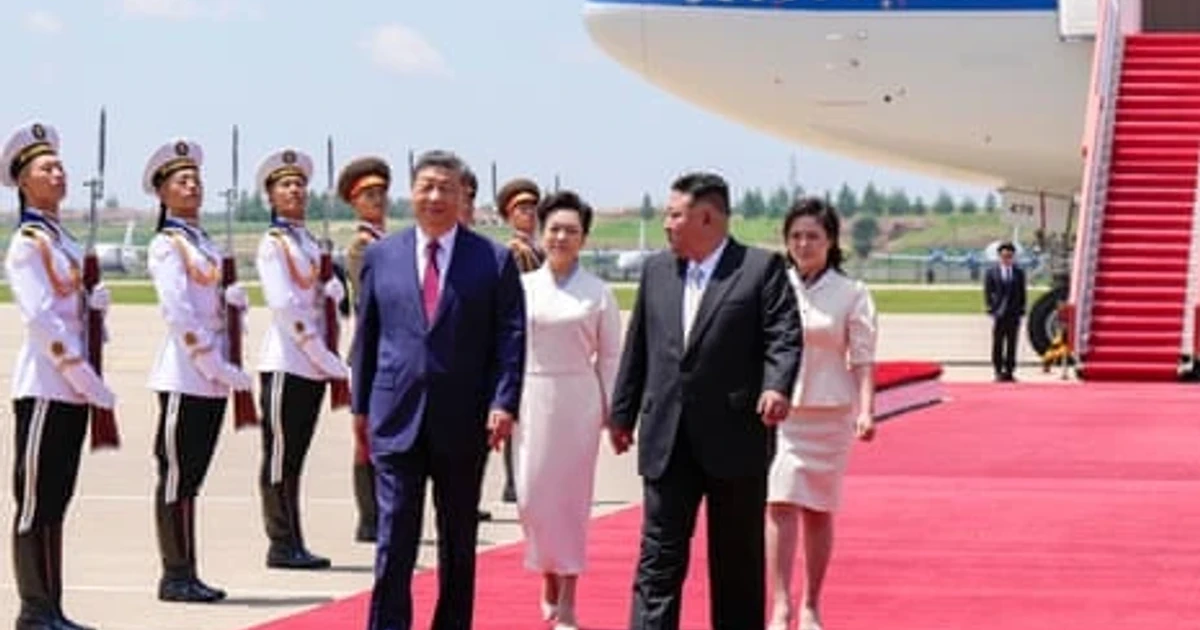
Xi Jinping’s trip to North Korea was less a gesture of socialist solidarity than a check on an ally Beijing increasingly sees as unpredictable. Chinese leaders wanted to reassert influence over Pyongyang, their only formal treaty ally, while gauging whether Kim Jong Un’s sharpened anti-U.S. posture could spark a crisis that drags China into a confrontation it did not choose.
The summit also gave North Korea a chance to press for practical gains. Analysts said Kim’s government may have been seeking economic concessions and, more sensitive still, tacit Chinese recognition of North Korea’s nuclear status. Beijing has publicly opposed Pyongyang’s nuclear tests for years, but it has also tried to balance pressure with engagement, in part to keep North Korea from drifting further toward Moscow.
Bob Carlin, a former U.S. State Department official and veteran North Korea analyst, said Kim has moved his country’s strategic center of gravity away from normalization with the United States and toward confrontation. Carlin said Kim has “completely changed the center of the strategic policy of North Korea” and now wants “to confront the U.S.” His warning for Beijing was blunt: if North Korea and the United States collide, China could be pulled in by geography, alliance politics and the instability of the Korean Peninsula.
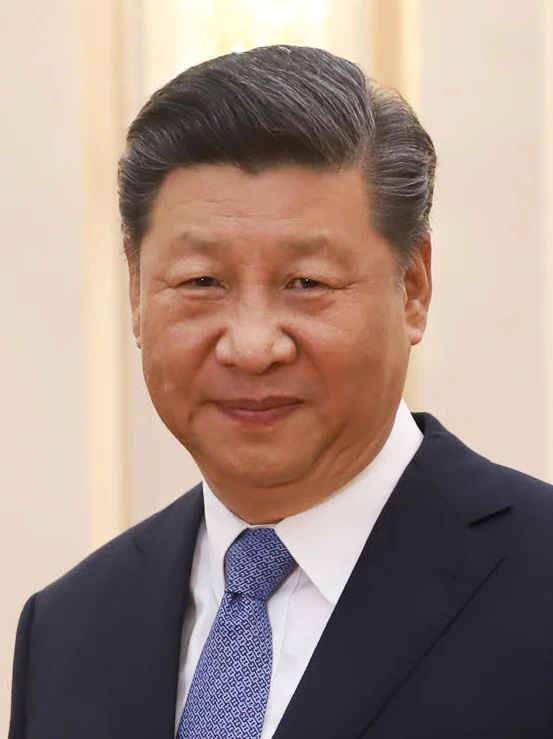
That anxiety has deep roots. China’s relationship with North Korea has been strained since Xi came to power in 2012, and Beijing once had closer ties to Jang Song-thaek, Kim Jong Un’s uncle, before his execution in 2013. China later backed United Nations sanctions over North Korea’s nuclear program, a sign that even the alliance has limits when Pyongyang’s weapons tests unsettle the region.
Xi’s earlier state visit to Pyongyang in June 2019 showed the same mix of caution and engagement. It was the first visit by a Chinese leader in 14 years and Xi and Kim’s fifth meeting. That summit came after the 2018 Singapore meeting between Kim Jong Un and Donald Trump and amid stalled nuclear talks. The public line then emphasized economic development, regional stability and denuclearization, but the real message was that Beijing was watching closely. It watched then, and it is watching now, because Kim’s next move could shape not only U.S.-North Korea relations but China’s own security calculus.
Sources
- [1]cbsnews.com
- [2]cnbc.com
- [3]armscontrol.org
- [4]france24.com