Technology
Xreal Aura reservations open as Android XR glasses near launch
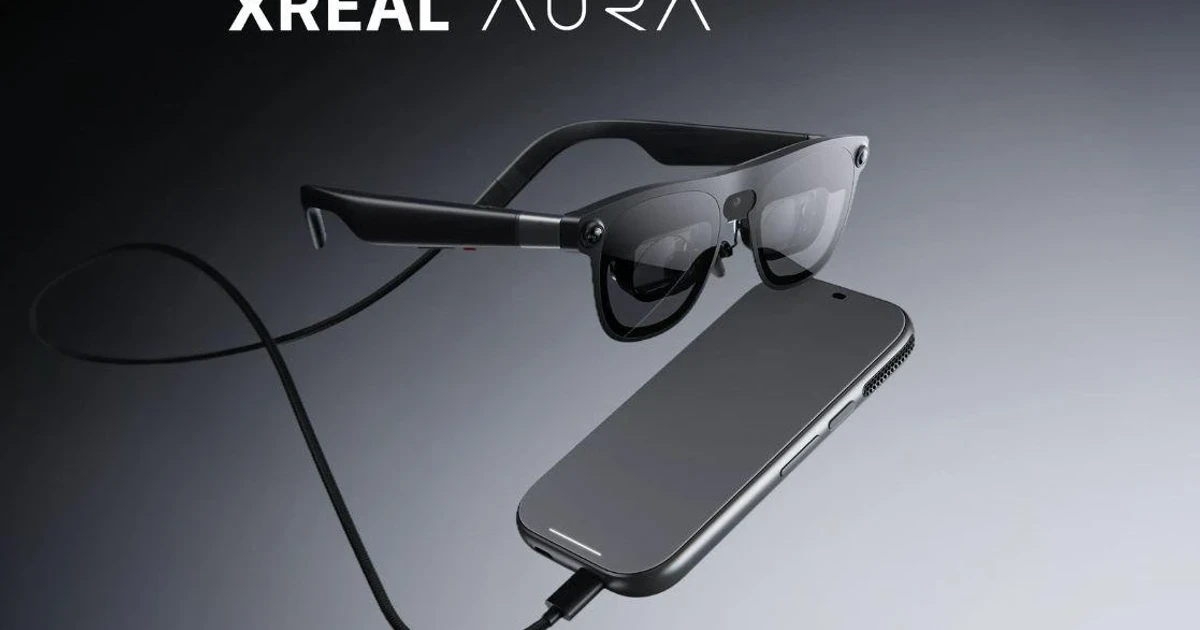
Xreal is asking early buyers to put down $99 for Aura, its first wired Android XR glasses, as the company and Google try to turn a keynote-stage prototype into a platform with software, developer support and a real retail path. The glasses, formerly known as Project Aura, are slated to arrive in the United States, United Kingdom, Japan, Canada and South Korea this fall.
For the first two weeks, reservers who pay the $99 launch credit will receive a $199 credit toward the final purchase, a $100 savings at launch. Xreal is also offering a $299 Founder Priority Pass, limited to 2,000 reservations, for buyers seeking launch-day delivery.
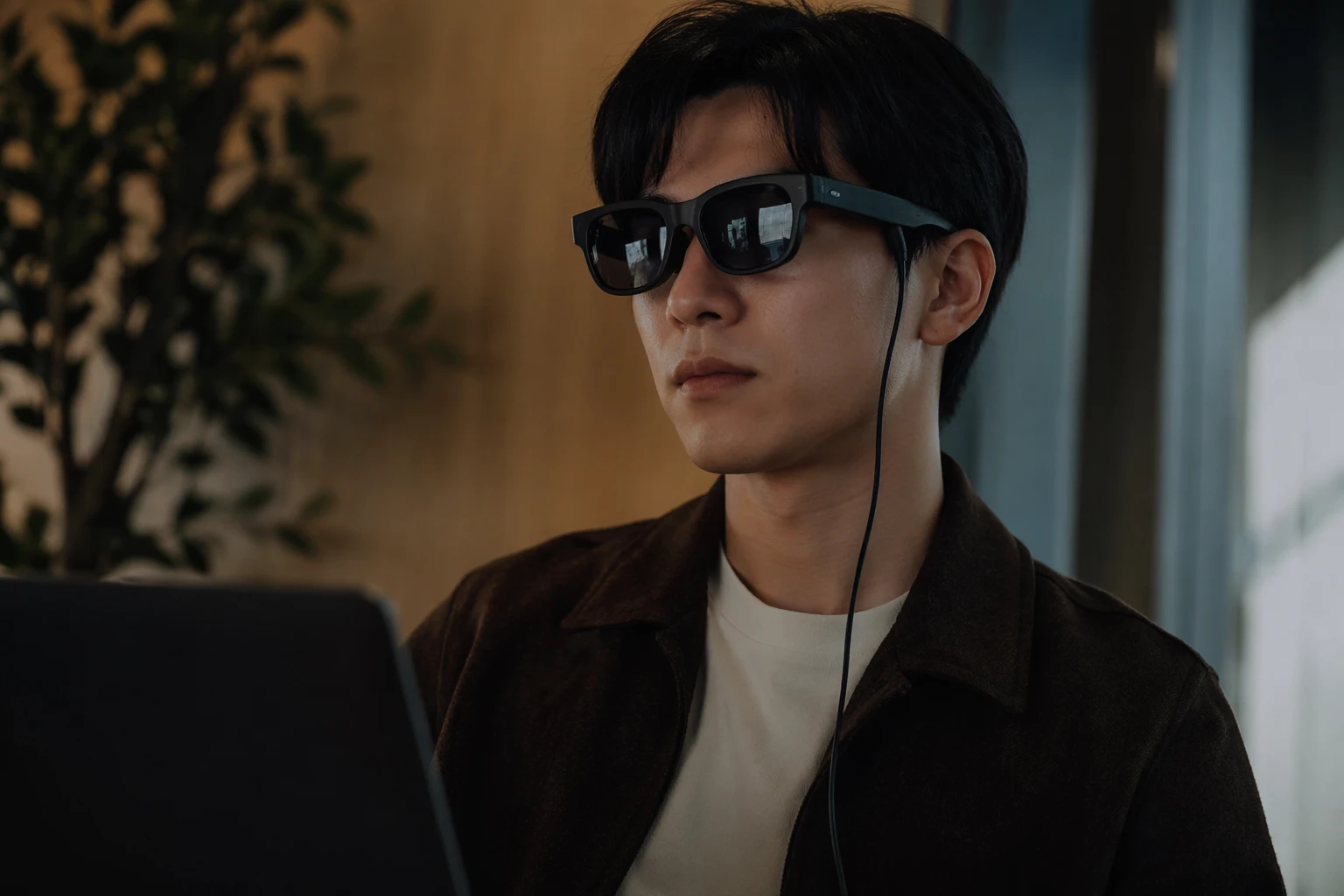
Aura will make its first public appearance at Augmented World Expo in Long Beach, California, at Qualcomm booth #911. Xreal says the device is powered by Android XR and Qualcomm’s Snapdragon Reality Elite platform, with deep Gemini integration and a lightweight optical see-through design. That combination matters because the company is trying to sell more than a piece of hardware. It is trying to show that Android XR can support a consumer ecosystem with enough depth to justify the category.
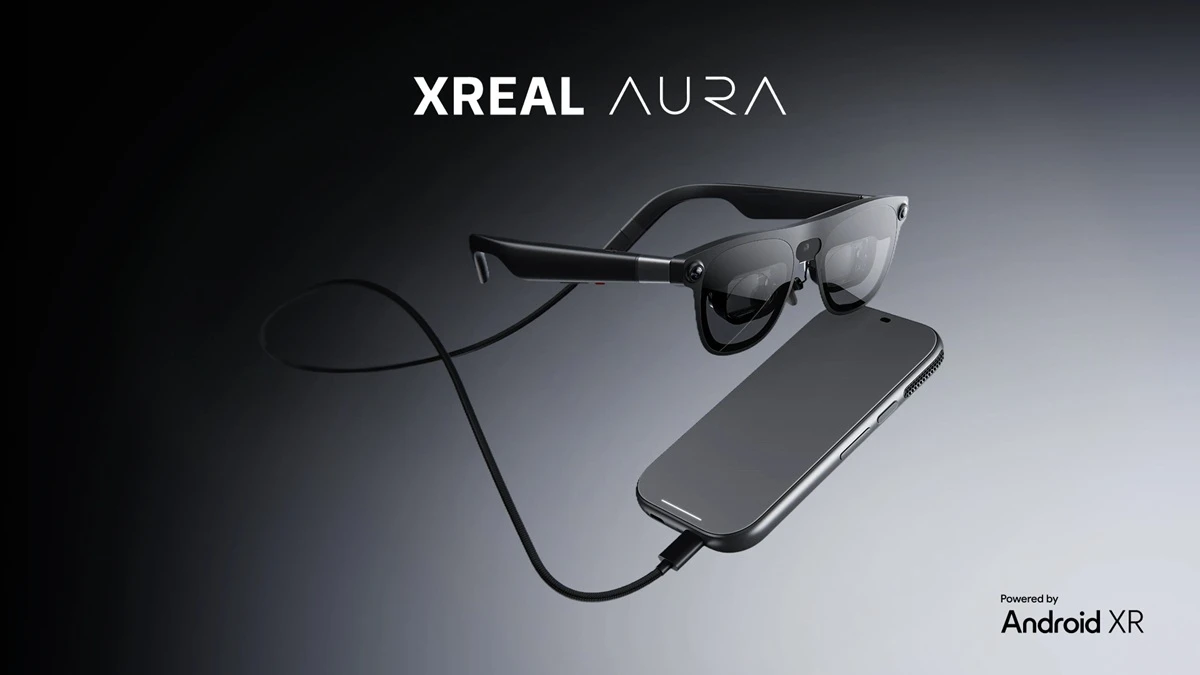
Google has been making the same case from the platform side. At I/O 2026, the company said intelligent eyewear is coming this fall and divided the category into two types, audio glasses and display glasses, with audio glasses launching first later this fall. Google also launched the Android XR Developer Catalyst Program on May 19, with applications closing June 30, to give developers early access to hardware development kits, technical resources and grants for wired XR glasses such as Project Aura.
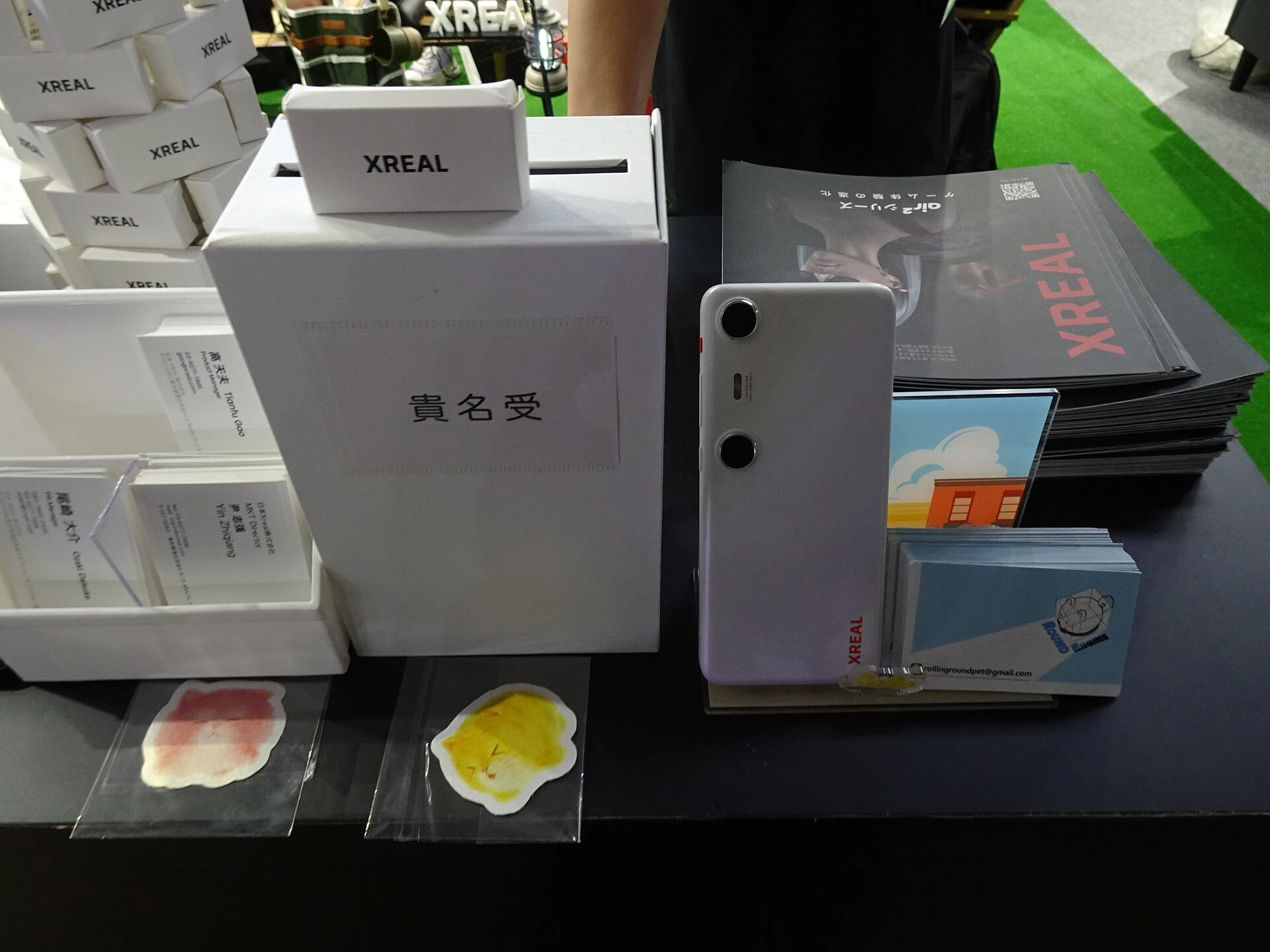
Xreal and Google already used I/O 2026 to show where the product is headed. Their demos included Google Maps, YouTube 180/360, WebXR painting and laptop connectivity, and the companies said Project Aura would launch globally in 2026. Xreal chief executive Chi Xu has argued that Aura sets a new benchmark for optical see-through XR glasses, while Google’s Shahram Izadi has cast Android XR as something built for everyday life. The reservations now open are the first market test of whether that pitch can move beyond demonstration and into daily use.
Sources
- [1]theverge.com
- [2]prnewswire.com
- [3]blog.google
- [4]developer.android.com
- [5]xreal.com