Health
Yale study finds GLP-1 weight-loss drugs easy to buy online

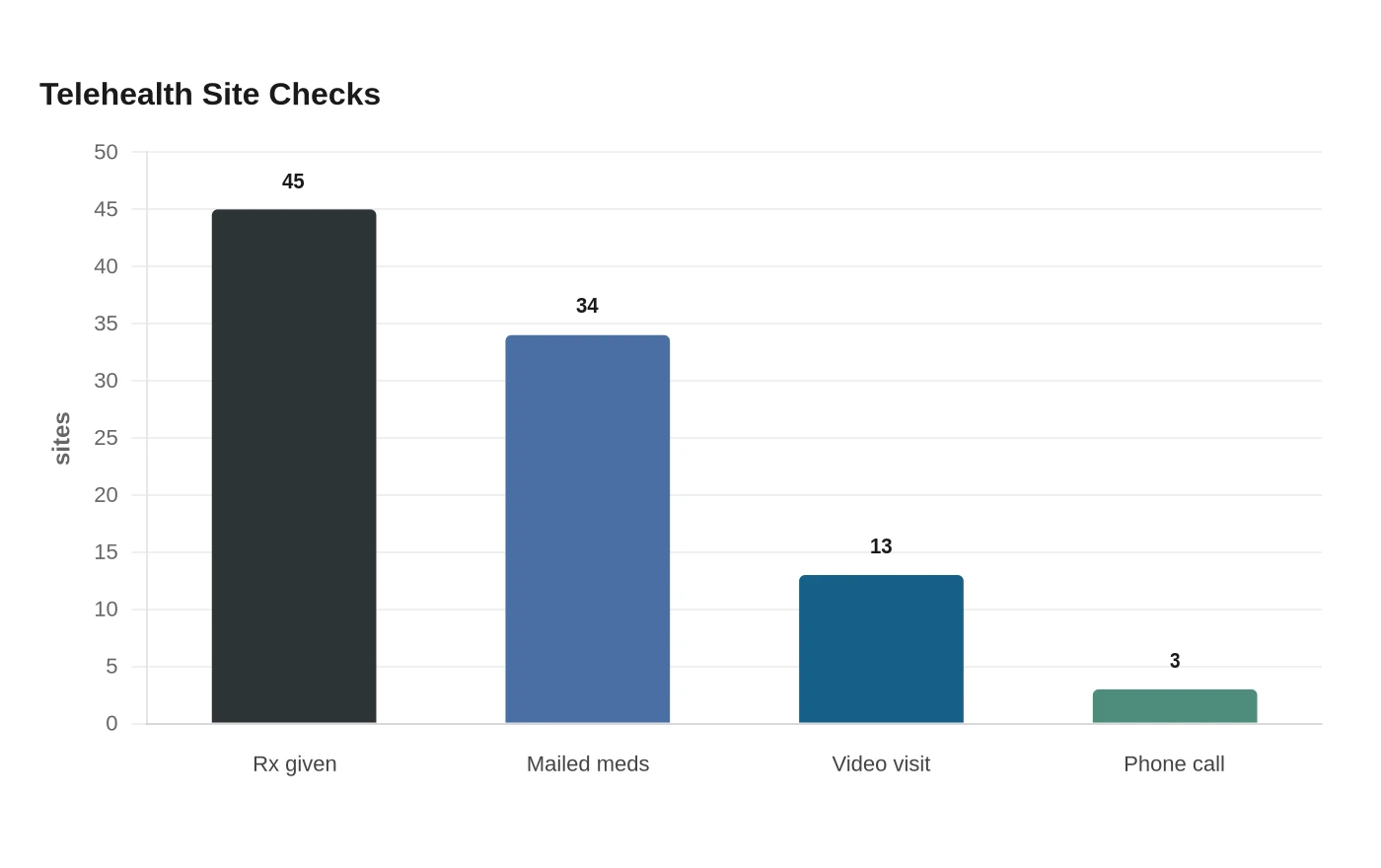
Secret shoppers posing as eligible patients got GLP-1 prescriptions from 45 of 49 telehealth sites Yale researchers tested, and 34 of those sites mailed the medication.
Yale researchers published a JAMA research letter online July 6. The simulated patient profile met GLP-1 eligibility criteria, and the testing ran from August through December 2025 across 49 previously identified online sellers.
It remains unclear whether online prescribing matches care standards that should cover patient goals, prior weight-loss efforts, diet, physical activity, disordered eating, substance use, medical history, medications, blood work and physical examination. Only 13 of the 49 sites required a video visit and just 3 required a phone call, often for less than 10 minutes, with some sites offering no real chance to ask a clinician questions.

The marketplace has grown quickly around compounded versions sold through telehealth platforms that work with compounding pharmacies. In a July 6 JAMA research letter, nearly 20 percent of adults taking a GLP-1 receptor agonist get prescriptions online. High demand, shortages and limited insurance coverage have pushed patients toward easier, faster access.
On March 3, the U.S. Food and Drug Administration sent 30 warning letters to telehealth companies over false or misleading claims about compounded GLP-1 products. Compounded drugs are not FDA-approved, and the FDA does not review their safety, effectiveness or quality before they are marketed.
In January 2025, researchers found that 13.9 percent of 79 websites selling compounded semaglutide, tirzepatide or liraglutide did not disclose that the drugs were compounded, while 36.7 percent claimed or implied FDA approval. Nearly half failed to report harmful effects, warnings, precautions or contraindications, and 40.5 percent made efficacy claims that did not appear in FDA-approved labels.
Sources
- [1]news.google.com
- [2]jamanetwork.com
- [3]fda.gov
- [4]medicine.yale.edu
- [5]statnews.com
- [6]medpagetoday.com