Health
Yale study finds nearly half of older adults improve with age

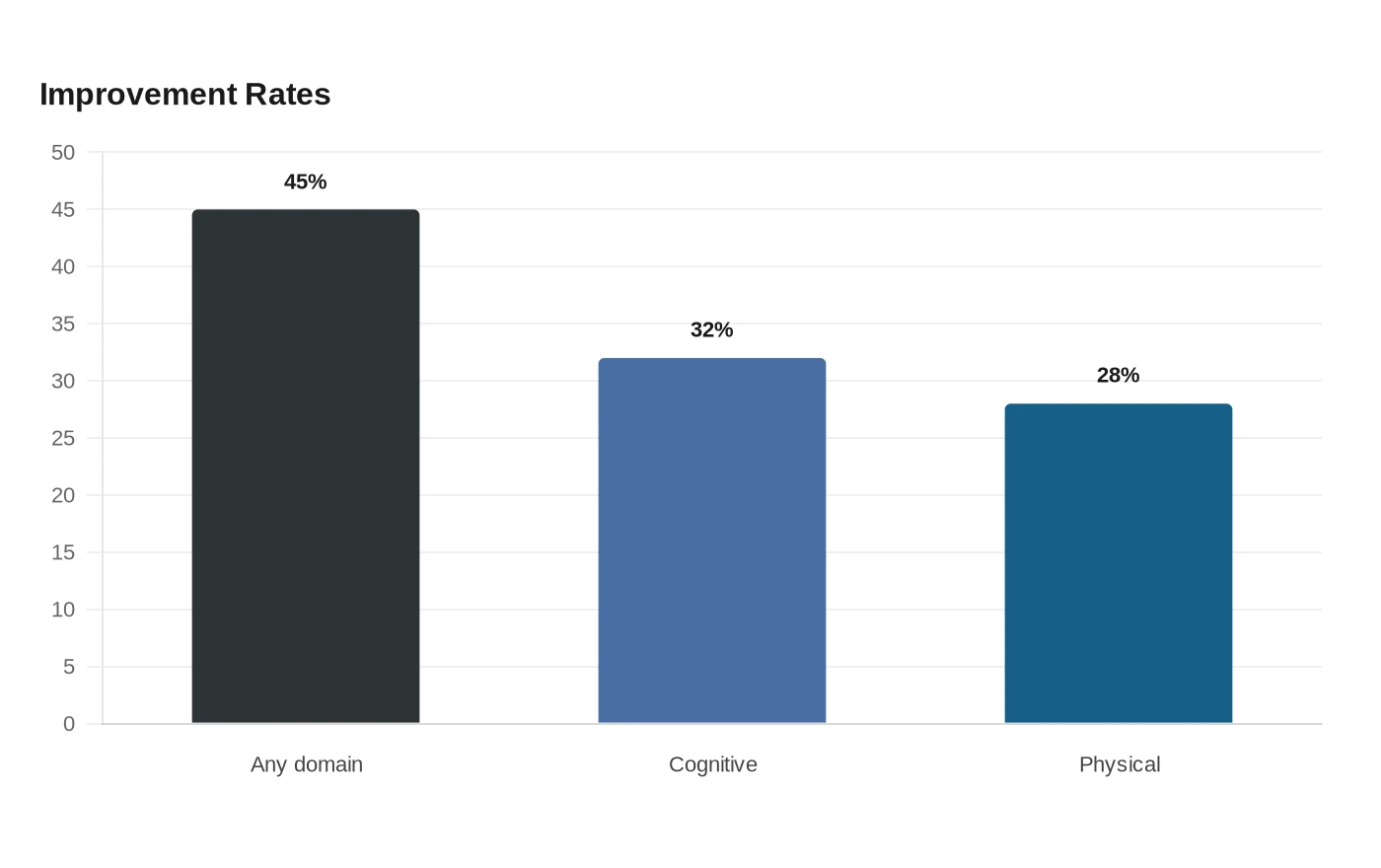
Aging is not a one-way slide. A Yale study of more than 11,000 adults age 65 and older found that 45% improved in at least one domain over as many as 12 years, a result that challenges the assumption that later life is defined only by steady decline.
The study measured two kinds of change: cognitive function and physical function. About 32% of participants improved cognitively and about 28% improved physically, with walking speed used as the physical measure because geriatricians often treat it as a vital sign tied to disability, hospitalization and mortality. Yale said many of the gains met thresholds considered clinically meaningful, not just statistical blips.

When stable cognition was counted alongside improvement, more than half of the sample defied the familiar story of inevitable mental deterioration. Becca R. Levy, a professor of social and behavioral sciences at the Yale School of Public Health and the study’s lead author, said, "What we found is that improvement in later life is not rare, it’s common." The finding matters because it reframes later adulthood as a period that can include recovery, adaptation and measurable gains, not only loss.

The analysis drew on the federally supported Health and Retirement Study and followed participants for up to 12 years. Yale said the improvements were not driven by a small number of exceptional older adults. Instead, one factor stood out: positive beliefs about aging. Participants who had absorbed more positive age beliefs from society at the start of the study were significantly more likely to improve in cognition and walking speed, even after accounting for age, sex, education, depression and chronic disease burden.

That result carries clear policy implications. If a large share of older adults can improve, then health systems, caregivers and public officials have a stronger case for investing in exercise, treatment, rehabilitation, recovery services and social supports that help people build capacity instead of merely slowing decline. Yale’s broader healthy-aging research program has also focused on age stereotypes, ageism, emotional health, caregiving stress, home environments, finances, chronic disease prevention and access to care. The message from this study is direct: older adulthood contains more room for improvement than many institutions assume.
Sources
- [1]sciencedaily.com
- [2]ysph.yale.edu
- [3]mdpi.com
- [4]healthjournalism.org