Politics
Yohei Kono, author of Japan’s wartime apology, dies at 89

Yohei Kono, the Liberal Democratic Party elder who issued Japan’s landmark 1993 apology over wartime comfort women, died at 89, ending the career of a politician whose name became inseparable from East Asia’s battle over historical memory. His family office said he died of old age on June 8, 2026.
Kono’s statement, delivered on August 4, 1993, as chief cabinet secretary under Prime Minister Kiichi Miyazawa, followed a government study that had begun in December 1991. It acknowledged that comfort stations had operated over extensive areas for long periods, and said the Japanese military had been directly or indirectly involved in establishing and managing those stations and in transferring comfort women. The apology gave official weight to what had long been a politically explosive subject across Japan, South Korea and China.
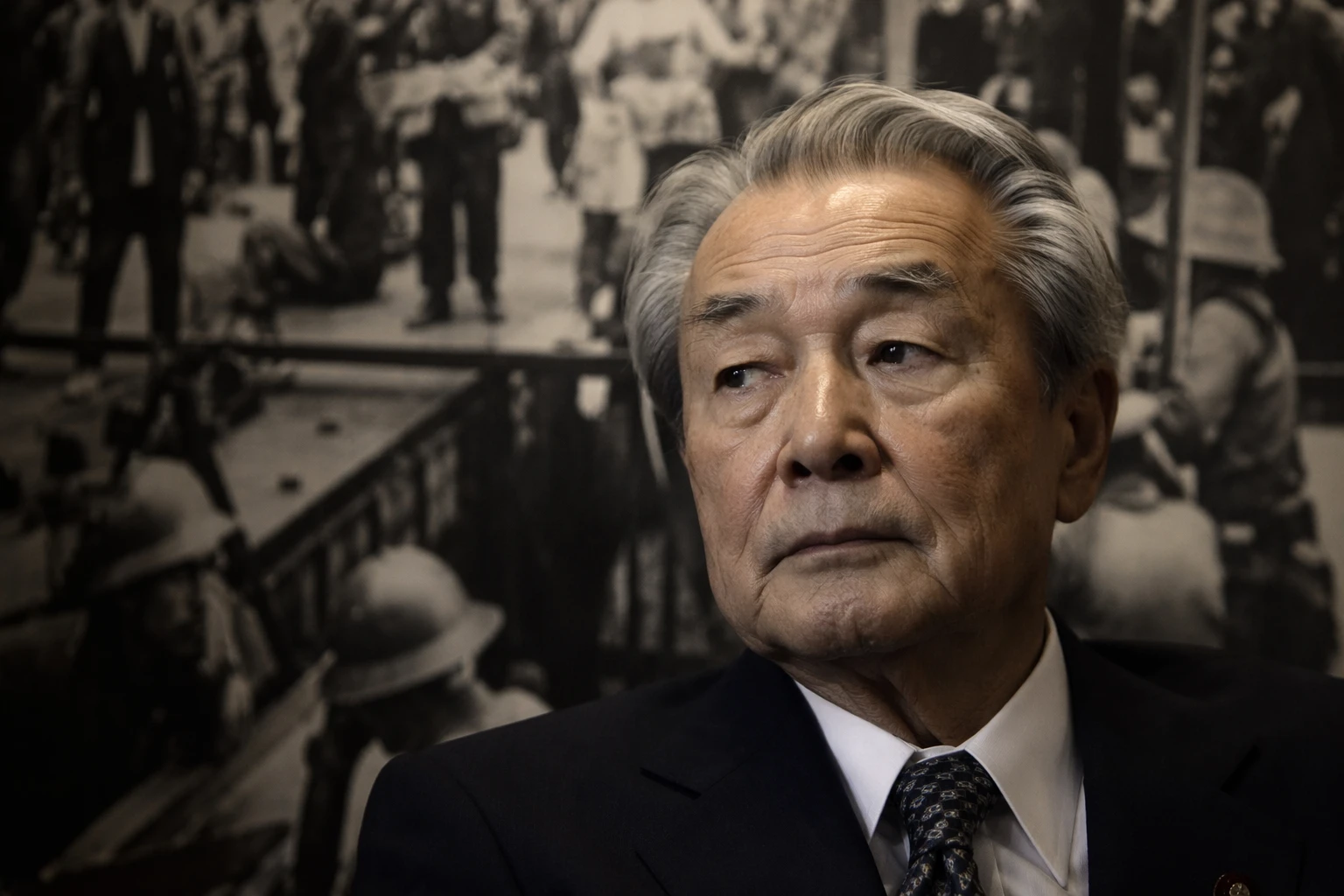
The Kono Statement became one of the most significant acknowledgments of wartime sexual slavery in East Asia. It also helped frame the language used in Japan’s broader 1995 reckoning, when Prime Minister Tomiichi Murayama described the comfort-women issue as a scar of war and offered a formal apology to women who suffered emotional and physical wounds that could never be closed. For supporters, Kono’s statement marked a rare moment of candor from Tokyo. For critics on the right, it became a symbol of what they saw as Japan’s overcorrection on wartime history.
That argument never really faded. Kono built his political identity around stable ties with China, South Korea and other Asian neighbors, which made him a prominent dove inside the ruling party. It also made him a target for conservatives who bristled at repeated reminders of wartime wrongdoing. The statement remained politically contentious through the era of Shinzo Abe and other nationalist figures, when disputes over history policy returned to the center of Japan’s domestic debate and its diplomacy with neighboring countries.
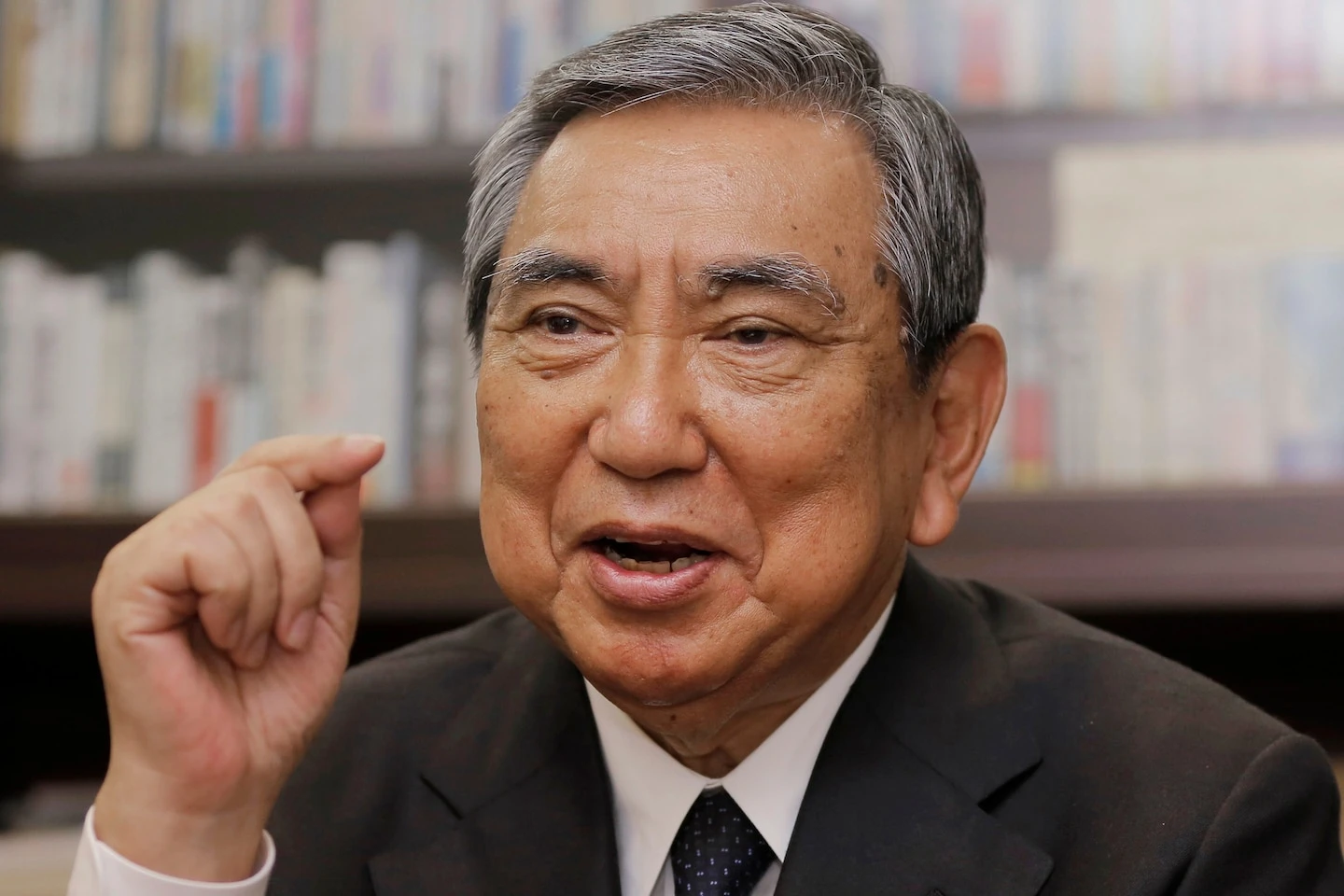
Born on January 15, 1937, in Hiratsuka, Kanagawa Prefecture, Kono came from one of Japan’s prominent political families. He was the son of Ichiro Kono, a former agriculture and construction minister, and later the father of Taro Kono, who also served as foreign minister. His own career spanned decades, including service as foreign minister from 1994 to 1996 and again from 1999 to 2001, and election as speaker of the House of Representatives in November 2003, a post he held until July 2009. Kono’s death closes a chapter on a politician whose legacy remains bound to Japan’s unresolved struggle over memory, diplomacy and national identity.
Sources
- [1]abcnews.go.com
- [2]usnews.com
- [3]mofa.go.jp
- [4]worldjpn.net
- [5]english.news.cn
- [6]nippon.com