US News
Yosemite Half Dome crowding raises safety fears on steep cables
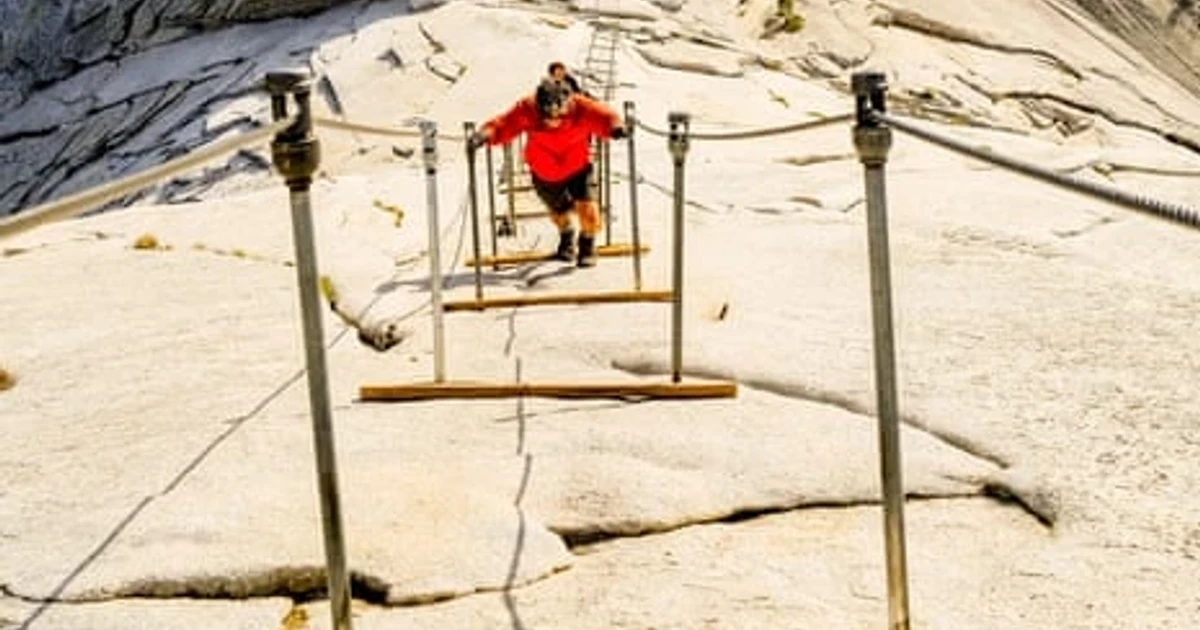
Yosemite National Park once saw as many as 1,200 people a day on the Half Dome cables, a crush that pushed the National Park Service to confront both safety and environmental risks on one of the park’s most famous day hikes. The sight of hikers squeezing past one another on the steep cable section has sharpened concern that access to marquee public lands can become dangerous when the terrain, the crowds and the infrastructure do not match.
The park responded in 2010 with an interim permit program for Half Dome day-use hikers, designed to improve visitor safety. Yosemite later set the daily limit at 300 day-hiker permits, a sharp reduction from the traffic documented in earlier planning materials. Even with that cap, the issue has not disappeared: research cited in search results found that restricting access with permits did not make Half Dome hiking less dangerous, and may have shifted congestion instead of removing it.
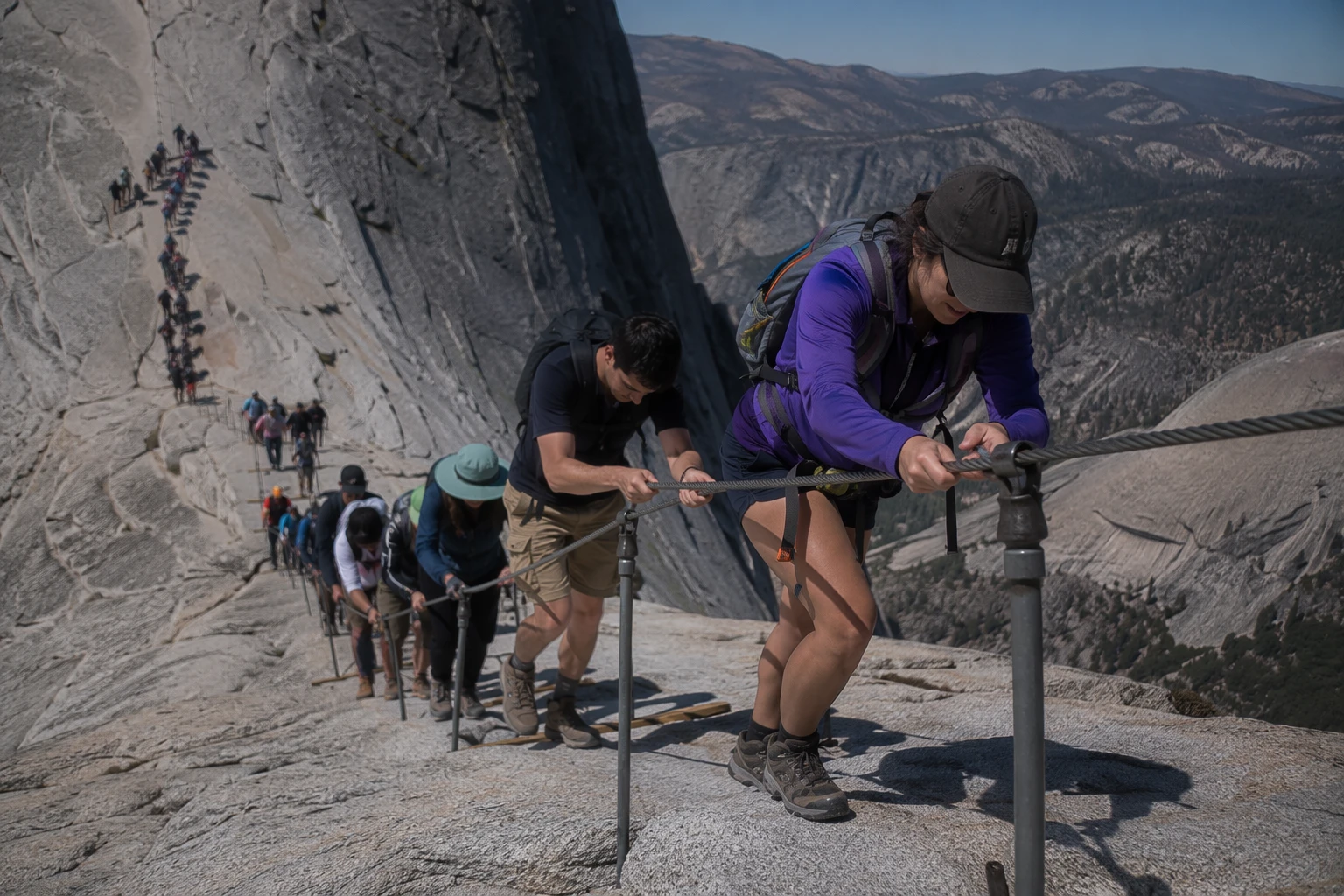
Yosemite’s own Half Dome Trail Stewardship Plan was written to address those pressures. In planning documents, the park said the trail was seeing up to 1,200 people a day on the cables in 2008, and the environmental assessment described Half Dome as one of Yosemite’s most popular and well-known hikes. The same planning record shows how long visitors and managers have wrestled with movement on the cables, including public comments that suggested separate up and down cables to help hikers pass each other more safely.
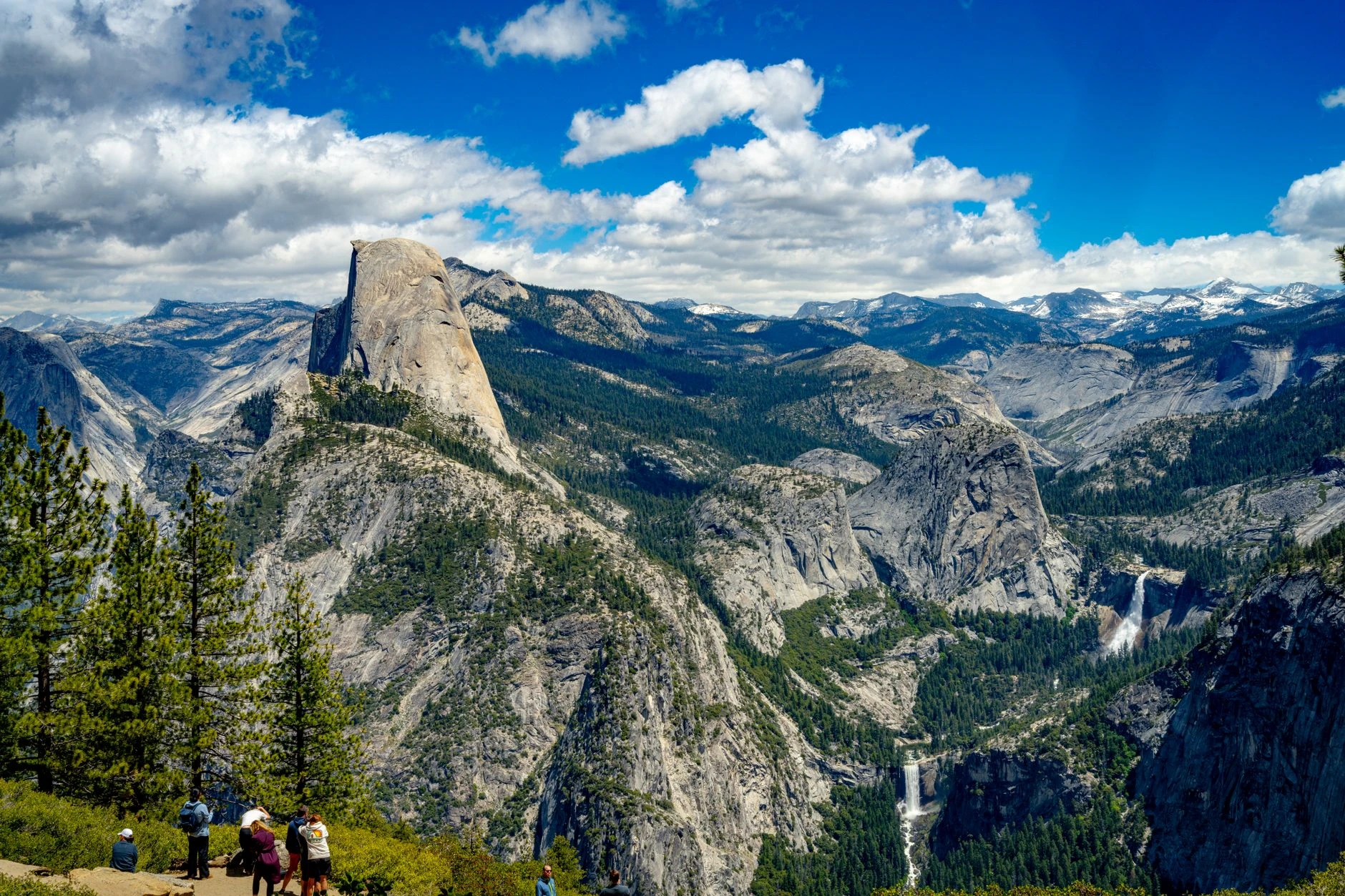
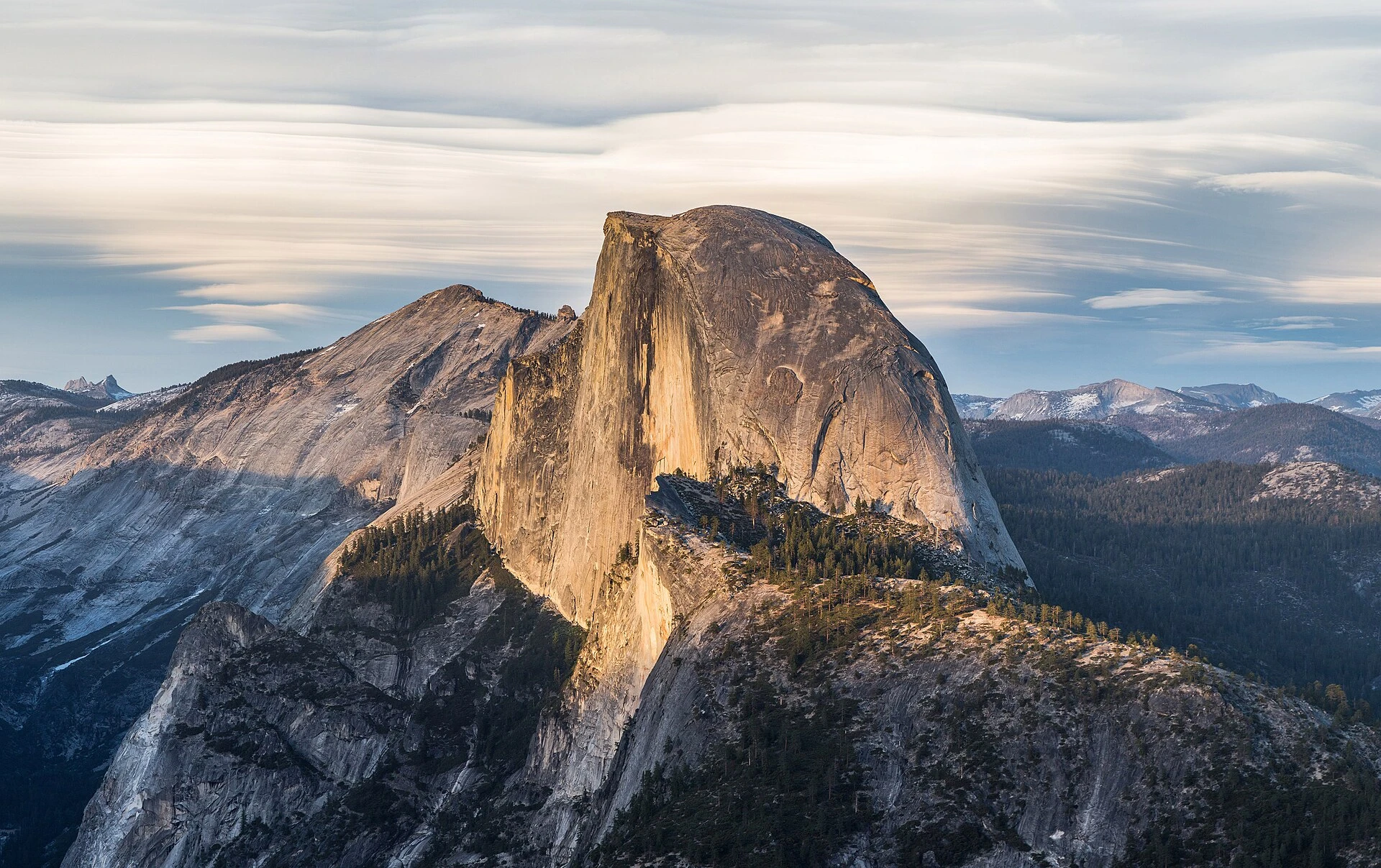
That history matters because Half Dome is not a side trail. It sits within Yosemite National Park, draws hikers into the Yosemite Wilderness and connects with the broader travel network that includes Yosemite Valley and the John Muir Trail. When crowds build on the cables, the problem is not just comfort or wait times. The risk is a logjam on exposed granite where one misstep can affect everyone around it.
The pressure on Half Dome is also part of a larger capacity strain across the park. Yosemite has faced long waits, packed trails and crowded conditions as visitation surges after its reservation system ended, while parking has become harder to find in the core of the park. In that setting, Half Dome stands as a warning about what happens when a world-famous public landscape is asked to absorb more people than its trails, staffing and access systems can safely carry.
Sources
- [1]abcnews.com
- [2]nps.gov
- [3]parkplanning.nps.gov
- [4]outsideonline.com
- [5]abc7news.com
- [6]yosemite.org