Politics
Young candidates make housing costs a generational campaign issue
Young Millennial and Gen Z politicians are making housing costs a core campaign message, and the appeal is landing because the numbers keep getting worse for first-time buyers. The political divide is looking less partisan than generational: younger candidates are treating rent and homeownership as a central test of economic opportunity, while older political institutions struggle to keep pace with a housing market that is shutting out new entrants.
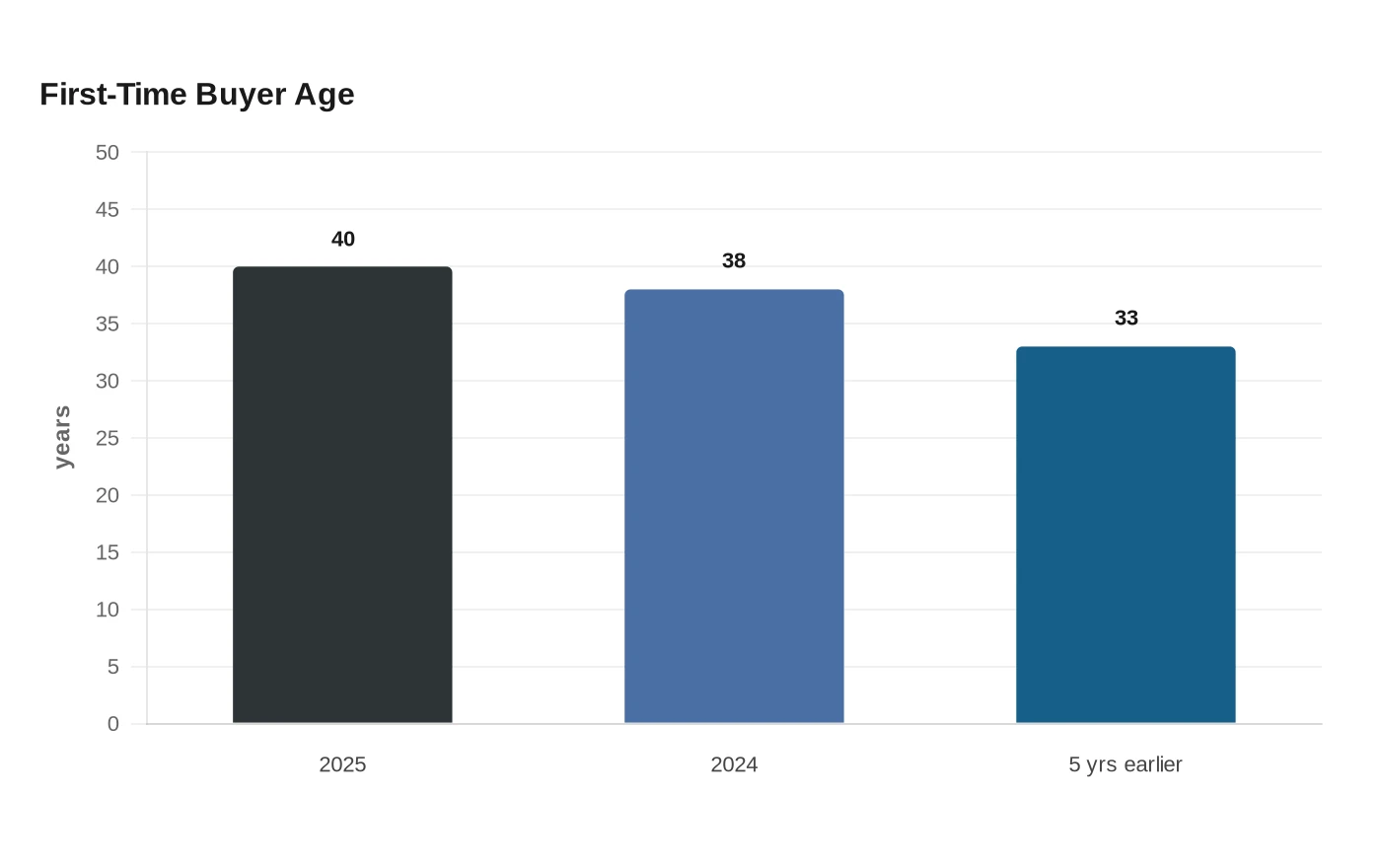
The backdrop is stark. Harvard’s Joint Center for Housing Studies said in its 2025 State of the Nation’s Housing report that high home prices and interest rates pushed U.S. sales to their lowest level in 30 years. The same report said high rents have left record numbers of households cost-burdened, while insurance premiums and property taxes continue to rise. The National Association of Realtors said on November 4, 2025, that first-time home buyers made up just 21% of all buyers, a record low. It also said the typical age of a first-time buyer climbed to 40, up from 38 in 2024 and 33 five years earlier.
That squeeze is not just a headline problem, it is a supply problem. Realtor.com estimated in March 2026 that the U.S. housing supply gap widened to 4.03 million homes in 2025, after 1.41 million households were formed and only 1.36 million housing starts were logged. In plain terms, demand kept outrunning construction, leaving younger Americans to compete for too few homes at too high a price.
The political resonance is showing up in polling and recruitment. Apartment List’s 2026 State of Renting report surveyed 1,000 Gen Z and millennial renters in December 2025 and found housing costs were reshaping life decisions. A 2026 NextGen Homebuyer Report said 6 in 10 next-generation buyers expect the housing system to work against them. That sense of structural disadvantage has made housing more than an urban-policy issue or a local zoning fight. It has become a generational grievance with national reach.
The shift also fits a broader 2025-26 emphasis on affordability, especially among Democrats, who have run heavily on cost of living. Younger candidates are increasingly casting housing as the gateway issue for wages, family formation and mobility. The oldest Congress in modern history, the 119th, has only sharpened that contrast.
Organizations such as Run for Something have seen the effect firsthand. ABC News reported that the group added 10,000 people in the two weeks after Zohran Mamdani’s June 2025 primary win in New York City. That surge suggests the housing message is no longer confined to one race or one city. The question now is whether these candidates can turn generational frustration into policies that add supply and lower rents, or whether housing remains the issue that best explains why so many younger voters feel locked out of the American dream.
Sources
- [1]nytimes.com
- [2]jchs.harvard.edu
- [3]nar.realtor
- [4]realtor.com
- [5]apartmentlist.com
- [6]abcnews.com
- [7]brookings.edu
- [8]nextgenhomebuyer.com