Lifestyle
Young Chinese Embrace Diverse Lifestyles
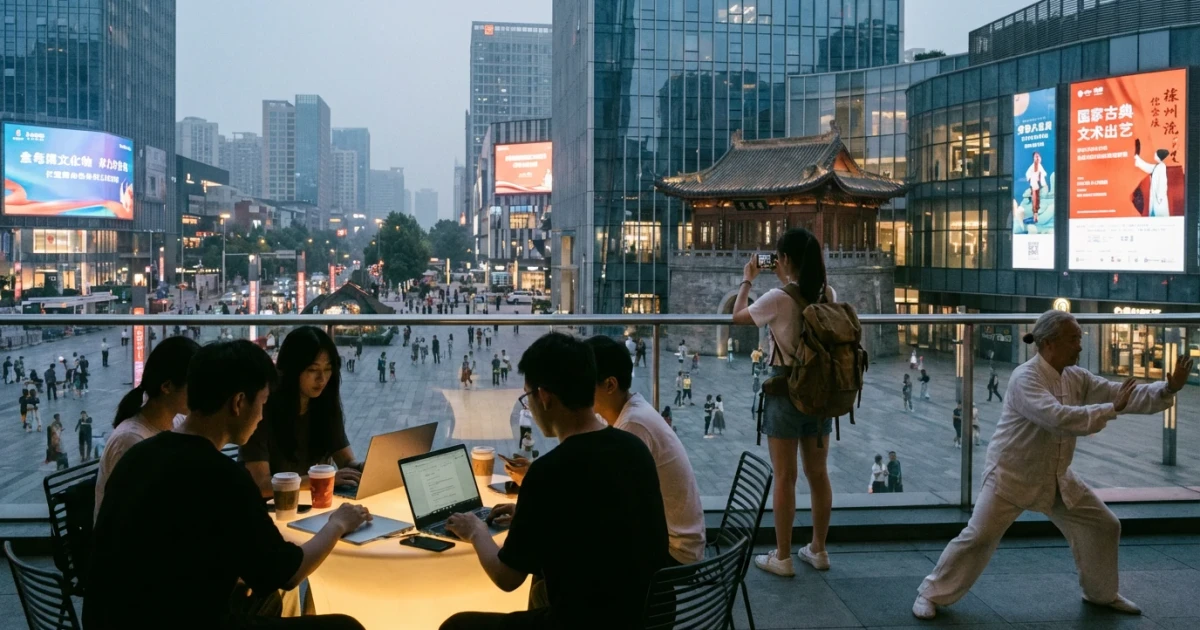
China's youth are shaping a new wave of lifestyle trends, blending traditional values with modern aspirations and global influences. As young consumers navigate a rapidly changing society, their evolving preferences are leaving a significant mark on the country's cultural and economic landscape.
Personal Fulfillment and Social Connection Take Center Stage
Recent years have seen a shift among Chinese youth toward lifestyles that prioritize personal happiness, work-life balance, and social connection. Surveys and reports, including research cited by the Statista overview of young consumers in China, reveal that young people are less focused on traditional markers of success like home ownership and stable government jobs. Instead, they seek meaningful experiences, flexible careers, and opportunities for self-expression.
- According to survey data published by China Daily, more than 60% of Chinese youth list work-life balance and personal fulfillment as top life priorities.
- Official records from the 2023 China Youth Statistical Data show a steady increase in participation in creative, cultural, and recreational activities among people aged 18-35.
Global Influences and Local Identity
China's Generation Z and Millennials are highly connected to global trends via social media and digital platforms, but they are also seeking to maintain and reinterpret local cultural identity. According to a McKinsey analysis, this generation is driving demand for products and experiences that combine international fashion, technology, and entertainment with Chinese aesthetics and values. This results in a vibrant fusion visible in areas from streetwear to music festivals and new forms of urban recreation.
Shifting Consumer Habits
Young consumers are at the forefront of China's booming digital economy. They are not only early adopters of new apps, payment systems, and e-commerce platforms, but they are also more likely to support domestic brands and eco-friendly products. Data from Statista indicates that online shopping penetration among youth exceeds 85%, with a growing segment interested in sustainable consumption.
- Nearly half of urban youth report making lifestyle choices based on environmental impact, and over a third are willing to pay more for eco-friendly products.
- According to the 2022 China Youth Development Report by UNICEF, the focus on sustainability is reflected in preferences for second-hand goods, low-carbon travel, and plant-based diets.
Changing Attitudes Toward Work and Success
While previous generations prioritized job security and career advancement, today's Chinese youth are more likely to seek flexible employment, entrepreneurship, or freelance opportunities. The desire for autonomy and work-life integration is driving new approaches to career planning. The China Daily survey found that over 40% of young respondents have considered starting their own business or pursuing "slash careers"—juggling multiple jobs or identities.
Social Engagement and Wellbeing
Beyond career and consumption, young Chinese are also increasingly focused on mental health, physical fitness, and community participation. Official figures from the 2023 China Youth Statistical Data reveal a rise in youth involvement in volunteer work, public service, and online activism. These trends reflect a generation determined to contribute to social progress while prioritizing holistic wellbeing.
Outlook: A Generation in Transition
As China continues to urbanize and modernize, its youth are navigating the challenges of high competition, rapid technological change, and shifting social expectations. While some observers point to increased pressure and anxiety, the overall trend is toward a more open, diverse, and dynamic youth culture. According to Pew Research Center surveys, Chinese youth are optimistic about the future and enthusiastic about their role in shaping society.
In summary, China's young people are redefining what it means to live well—seeking balance, self-expression, and meaningful connection in a fast-changing world. Their choices are not just personal; they are setting the direction for the future of Chinese culture and consumption.