Health
Young Colon Cancer Patient Turned Advocate Leaves Lasting Legacy
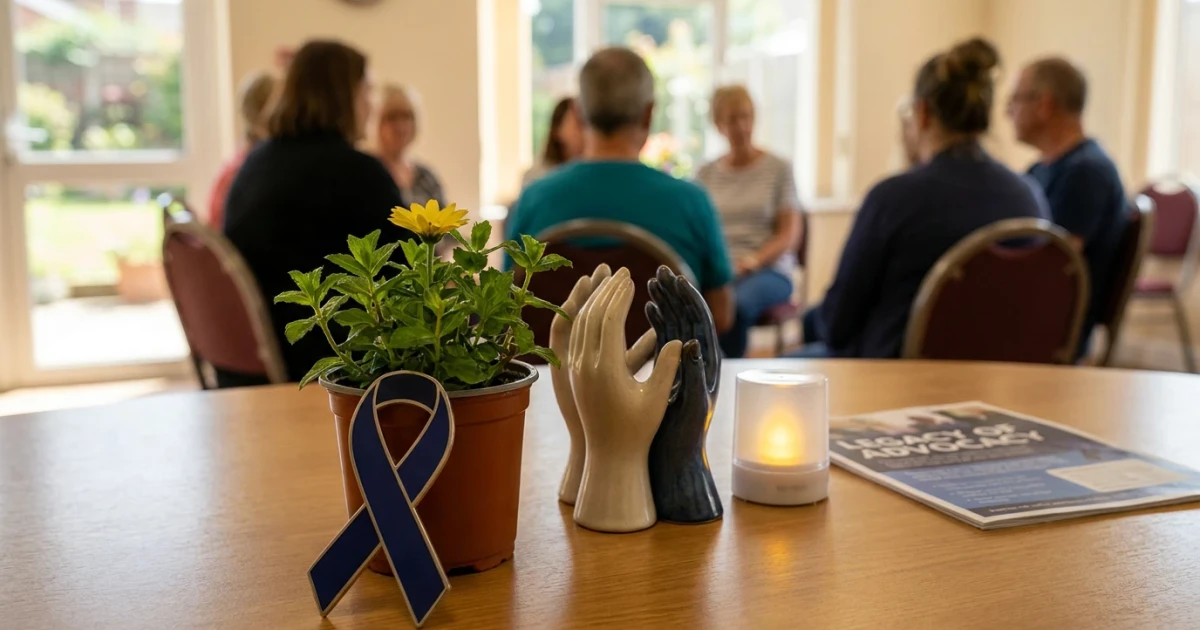
A colon cancer diagnosis at just 36 years old changed the course of one woman’s life—but rather than withdrawing, she dedicated her remaining years to supporting others facing the same disease. Her story highlights the rising impact of young-onset colorectal cancer and the crucial role of patient advocacy in both awareness and support.
Diagnosed Young: A Growing Trend
Her diagnosis at age 36 placed her among a growing number of young adults facing what has long been considered a disease of older age. Data from the Centers for Disease Control and Prevention shows that while overall colorectal cancer rates have declined among older adults in the United States, incidence among those under 50 has been rising. The American Cancer Society’s latest Colorectal Cancer Facts & Figures report found that people younger than 55 now account for about 20% of new cases.
Turning Diagnosis Into Support
Following her diagnosis, she channeled her energy into advocacy and support, joining peer-led organizations like COLONTOWN, which offers targeted programs for colorectal cancer patients. She became a mentor, helping newly diagnosed patients navigate their treatment options, side effects, and emotional challenges. Peer support programs like these have been shown to improve patient outcomes, reduce anxiety, and foster a sense of community, especially for younger adults who may feel isolated by their diagnosis.
- According to the American Society of Clinical Oncology, approximately 152,810 people will be diagnosed with colorectal cancer in the U.S. in 2026.
- Survival rates for early-stage colorectal cancer can be as high as 90%, but drop significantly with later-stage diagnosis (see full stats).
- Young-onset cases are often diagnosed at more advanced stages, contributing to more challenging outcomes, as detailed in peer-reviewed research.
Advocacy and Education
Her advocacy extended beyond peer support. She participated in awareness campaigns to encourage earlier screening, pushed for more research into colorectal cancer causes and treatments, and spoke at community events to share her story. Her efforts reflected a broader movement to address disparities in diagnosis and outcomes, particularly for young adults and underserved populations.
Impact and Legacy
Her work resonated with many. By sharing her experience openly, she helped reduce stigma and empowered others to seek timely care. Patient advocates like her have contributed to policy changes, such as lowering the recommended screening age for colorectal cancer from 50 to 45, as endorsed by major medical groups.
Her legacy lives on in the patients she mentored, the awareness she raised, and the organizations strengthened by her commitment. As the incidence of early-onset colorectal cancer continues to rise, her story underscores the need for both clinical advances and robust support networks for patients of all ages.
Looking Ahead
The community she helped build continues to grow, advocating for more research, better access to screening, and ongoing support for those newly diagnosed. Her journey is a reminder that even in the face of serious illness, individuals can make a profound difference—offering hope and guidance to others navigating similar paths.