Entertainment
Young Māori revive tā moko, reclaim identity after colonial ban
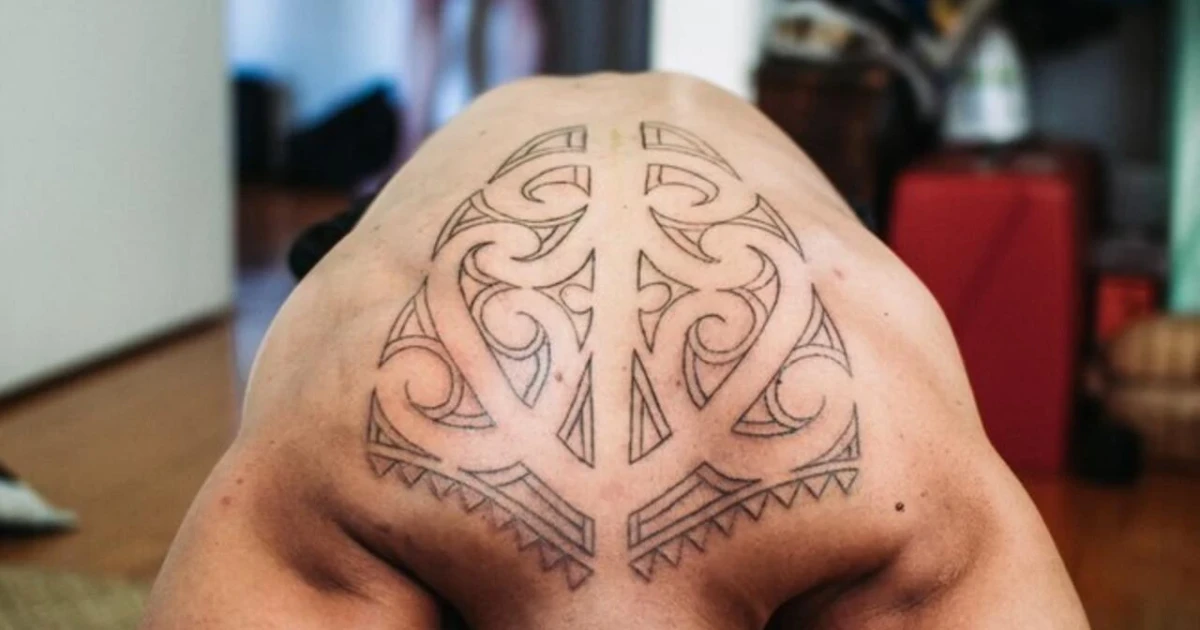
Young Māori are wearing tā moko as a visible claim to identity that colonial rule once tried to suppress. What was treated as taboo under British colonial rule has moved, across generations, from shame and prohibition to pride, political statement and cultural continuity.
From suppression to renaissance
Te Ara’s history of tā moko places the modern revival in the Māori renaissance of the 1980s, when tattooing was reframed as a way to express Māori or tribal identity after decades of colonial suppression. That shift was not cosmetic. It was part of a broader effort to recover language, protocols and forms of belonging that had been pushed to the margins by colonial policy and social stigma.
The renaissance was shaped by forces that reached well beyond New Zealand. Te Ara links it to ideas circulating in the 1960s and 1970s, including the US black civil rights movement and anti-Vietnam War activism. At the same time, Māori society was changing quickly at home: the population moved from 83% rural to 83% urban, one of the fastest rates of urbanisation in the world, making cultural revival especially urgent in cities where many Māori were now living away from ancestral land.
Protest made the body political
The reappearance of tā moko in public life grew out of protest politics that made Māori visibility impossible to ignore. Te Ara identifies the first Waitangi Day protest at Waitangi in 1971, organised by Ngā Tamatoa, as an early flashpoint. That was followed by the Māori land march in 1975 and, in 1978, the occupations of Bastion Point and the Raglan golf course.
Bastion Point became a defining symbol of that era. Ngāti Whātua o Ōrākei occupied the land for 507 days before eviction, a length of resistance that helped turn land loss, not just tattooing, into a national argument about rights and belonging. In that context, tā moko did not return as fashion. It re-entered public life as one more way Māori asserted that they were present, organised and politically visible.
From taboo to parliamentary presence
One of the clearest markers of change came in New Zealand Parliament in 2016, when Nanaia Mahuta became the first woman MP to wear a Māori facial tattoo there publicly. Her moko kauae, the traditional chin tattoo for Māori women, signalled a break with the older assumption that such marks belonged only at the edges of public respectability.
That moment mattered because it placed a deeply ancestral practice inside one of the country’s most formal institutions. A design once burdened by colonial stigma was no longer hidden from cameras, chamber floors or national debate. Instead, it became part of the visual language of office, standing and mana.
Traditional tools, modern revival
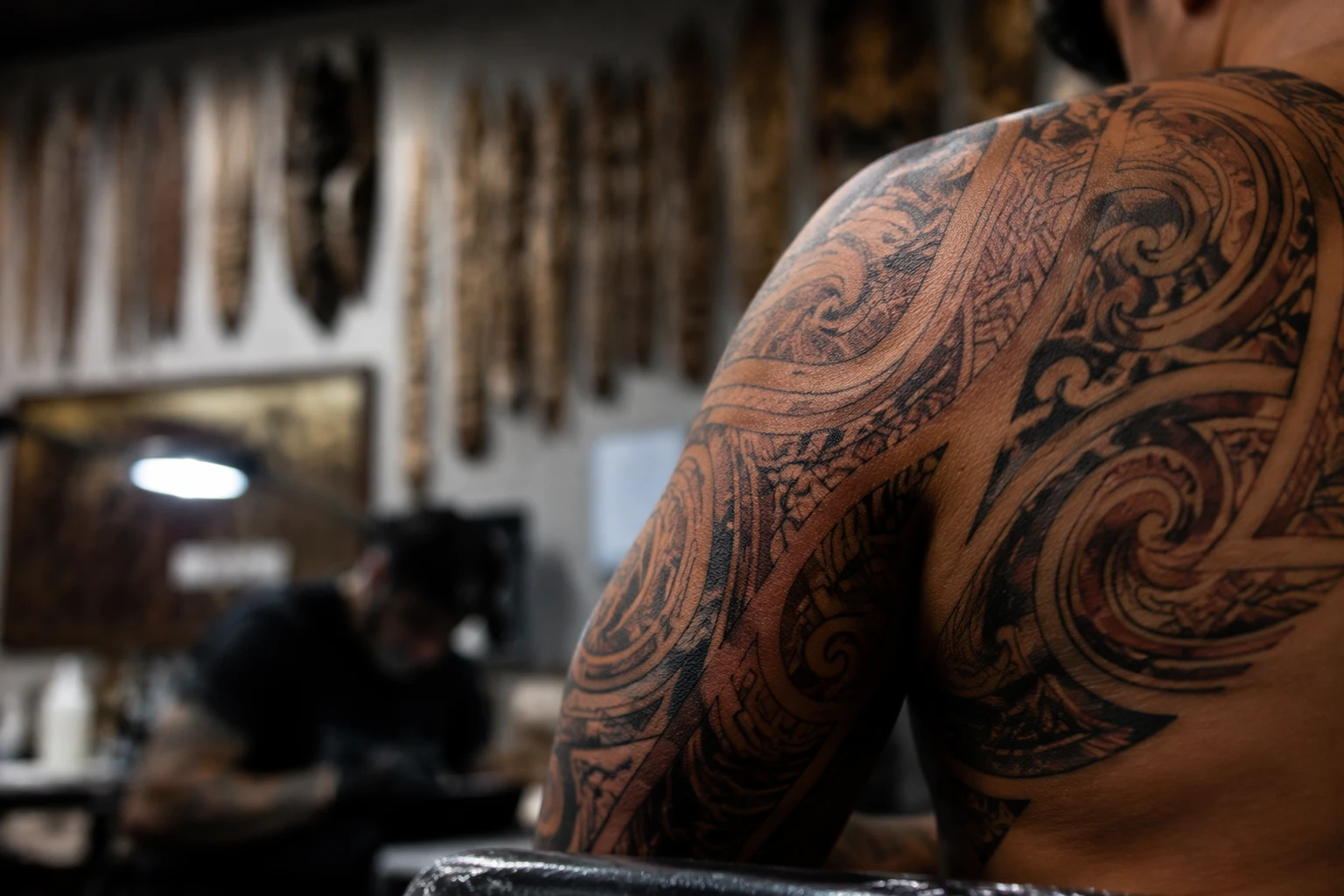
The revival has also been technical, not just symbolic. In a 10 October 2022 report, France 24 The Observers highlighted Mokonui-a-rangi Smith, who has been bringing back tā moko with traditional uhi, the hand tools used for the practice. That work reflects a larger effort among artists to recover older methods rather than rely only on modern machine tattooing.
Later reporting in 2022 described a new generation reviving Māori moko facial tattoos with designs that look to the future while drawing on ancestral forms. The tension is visible in the studios themselves: the practice is at once ancient and contemporary, grounded in genealogy but adapted to modern hygiene, public health standards and a younger audience that sees moko as a living expression of identity rather than a relic.
Digital backlash showed the stakes remain high
The revival has also collided with mass-market platforms that treat cultural symbols as filters. In September 2022, Snapchat removed Māori face tattoo filters after outcry in New Zealand. The episode showed that tā moko is still not a neutral aesthetic. For Māori communities, the design is tied to genealogy, identity and sacred meaning, so its use in a playful app feature landed as disrespect rather than celebration.
That reaction matters because it reveals how far the cultural debate has moved. The fight is no longer only against outright bans or silence. It now also runs through technology companies, design platforms and global content systems that can flatten Indigenous symbols into costume. The backlash forced a broader public reminder that a facial tattoo is not just an image, but a marker of cultural authority.
Restoration beyond the skin
The return of Māori ancestral remains and mummified heads from Germany to New Zealand, noted in Guardian reporting in 2023, sits in the same landscape of reclamation. Repatriation and tā moko revival are different acts, but they share a common logic: both restore Māori authority over bodies, names and taonga that were taken, displaced or misread under colonial systems.
Seen together, these developments show why tā moko has become more visible among younger Māori now. The practice connects protest history, urban identity, institutional recognition and cultural restitution in one line of continuity. What was once banned or mocked has returned as an unmistakable sign that Māori recovery is happening in public, on skin, in parliament and in the repatriation of the dead as well as the living.