World
Zaporizhzhya nuclear plant reconnected to grid after ceasefire repairs
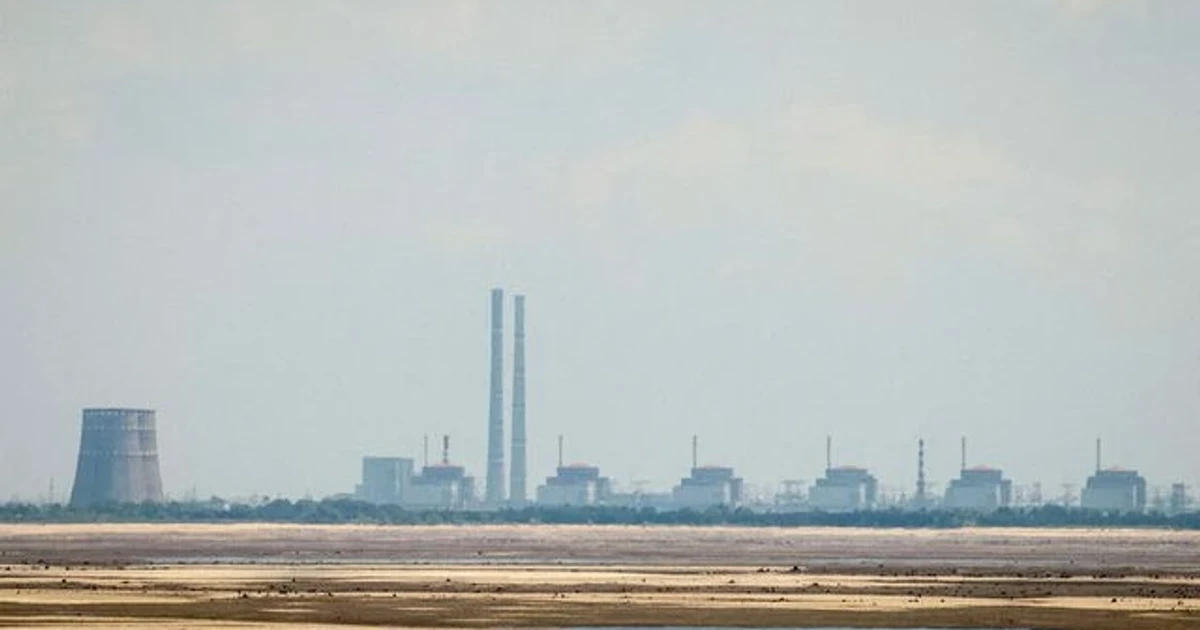
The Zaporizhzhya Nuclear Power Plant was reconnected to Ukraine’s grid after nearly three days without off-site electricity, a narrow escape for a site that has spent years under the strain of war. The repair was carried out under an IAEA-brokered local ceasefire, underscoring how even the most basic nuclear safety work now depends on short, carefully negotiated pauses in fighting.
That restored line matters because the plant’s six reactors have been shut down since 2022, but the fuel still needs constant cooling and other systems still need power. When outside electricity disappears, operators fall back on backup systems, and every hour the margin for error shrinks. The plant is in Enerhodar, on the frontline and under Russian occupation since March 2022, with the International Atomic Energy Agency keeping a monitoring mission at the site since September 2022.
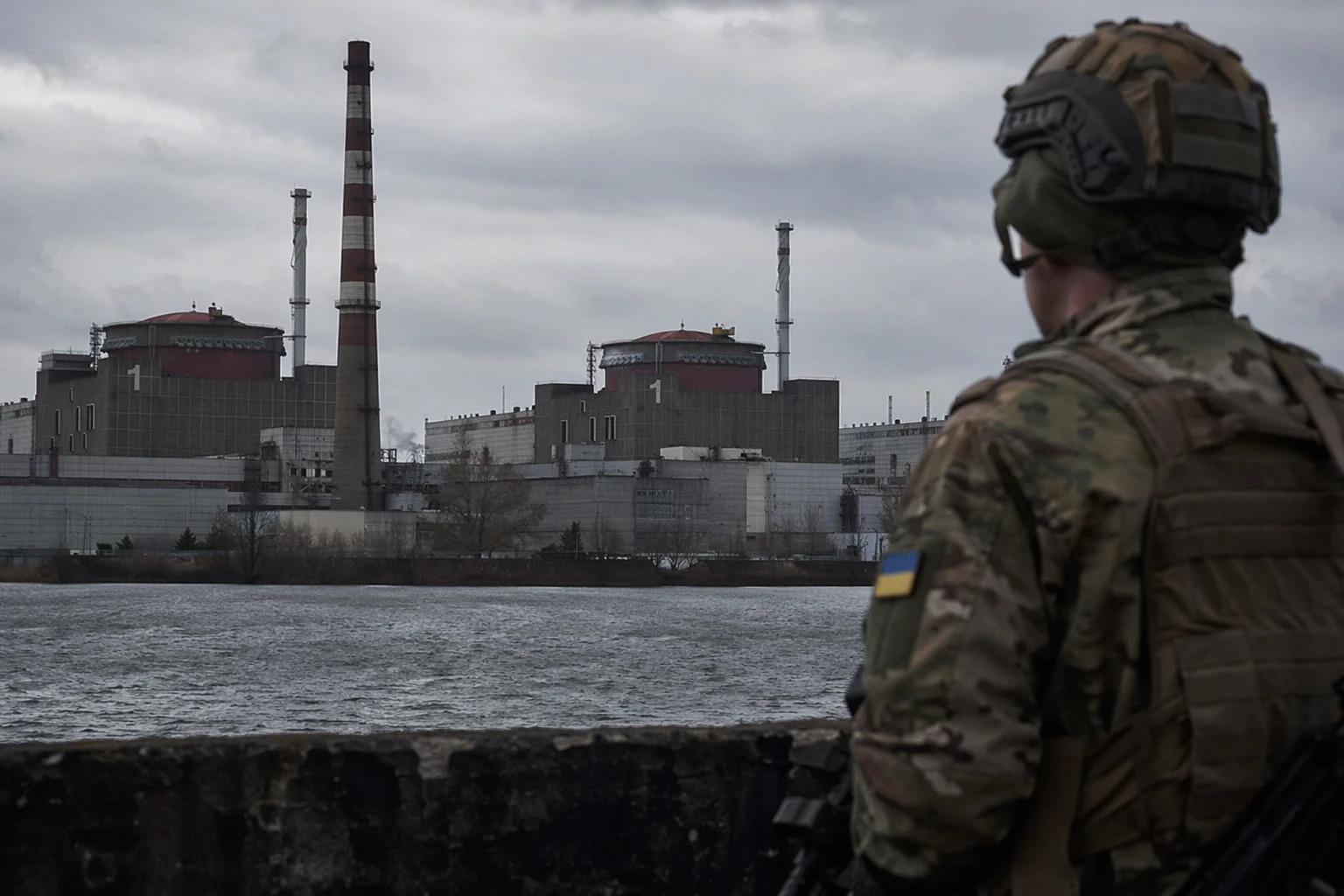
The latest outage fits a pattern that has alarmed nuclear officials for months. In October 2025, the IAEA said the plant went exactly one month without off-site power before being reconnected, describing it as the tenth complete loss of off-site power during the war. In March 2026, the agency said the 330 kV Ferosplavna-1 backup line was restored after 23 days, after repairs that required temporary ceasefire zones and de-mining.
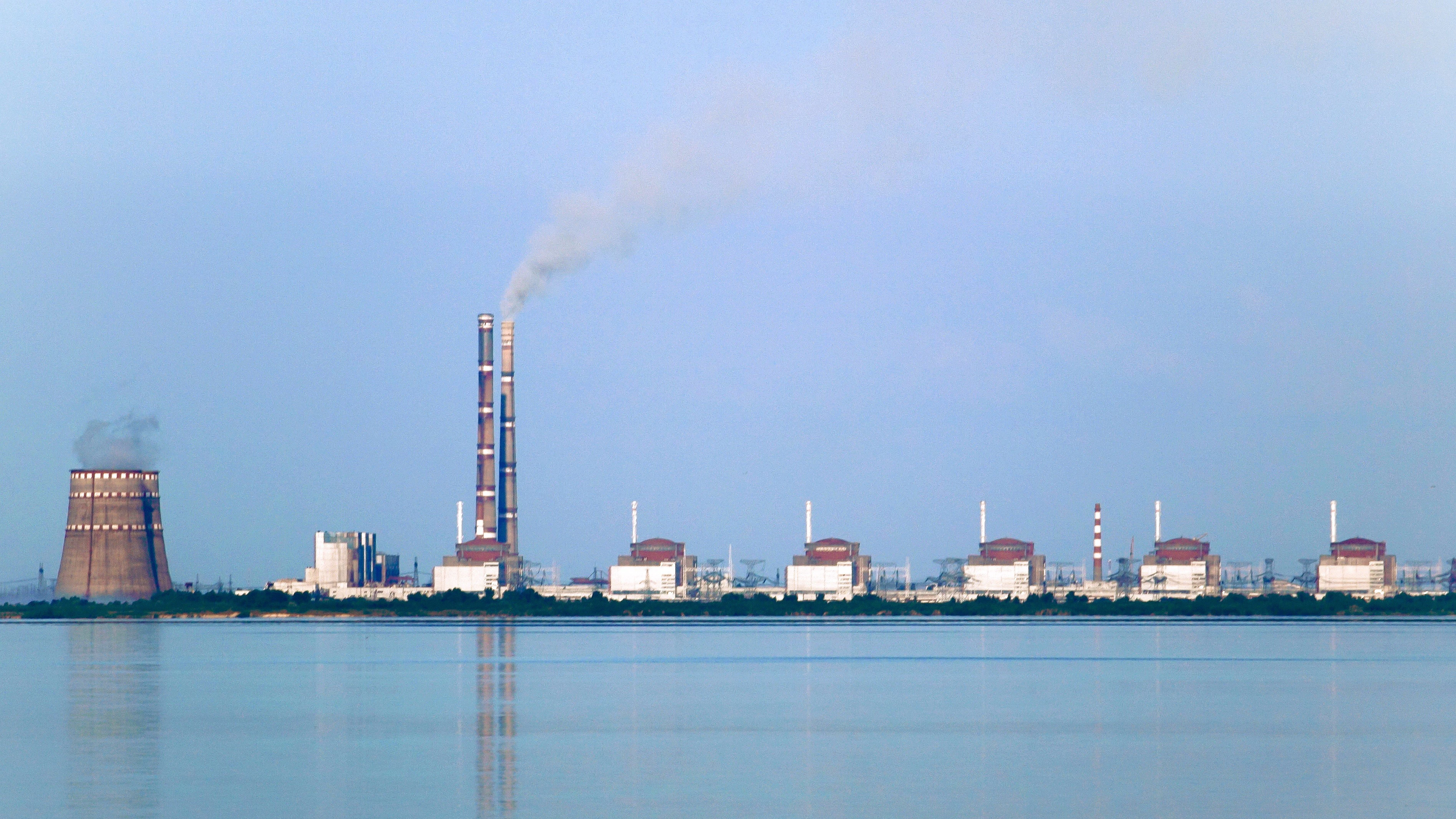
Before the conflict, the plant had four 750 kV lines and six 330 kV lines available. Repeated damage has narrowed those options, leaving the site more exposed each time shelling or infrastructure failure cuts a connection. The IAEA has warned repeatedly that the plant’s reliance on emergency diesel generators during outages is not a stable long-term safeguard, only a stopgap in a system under pressure.
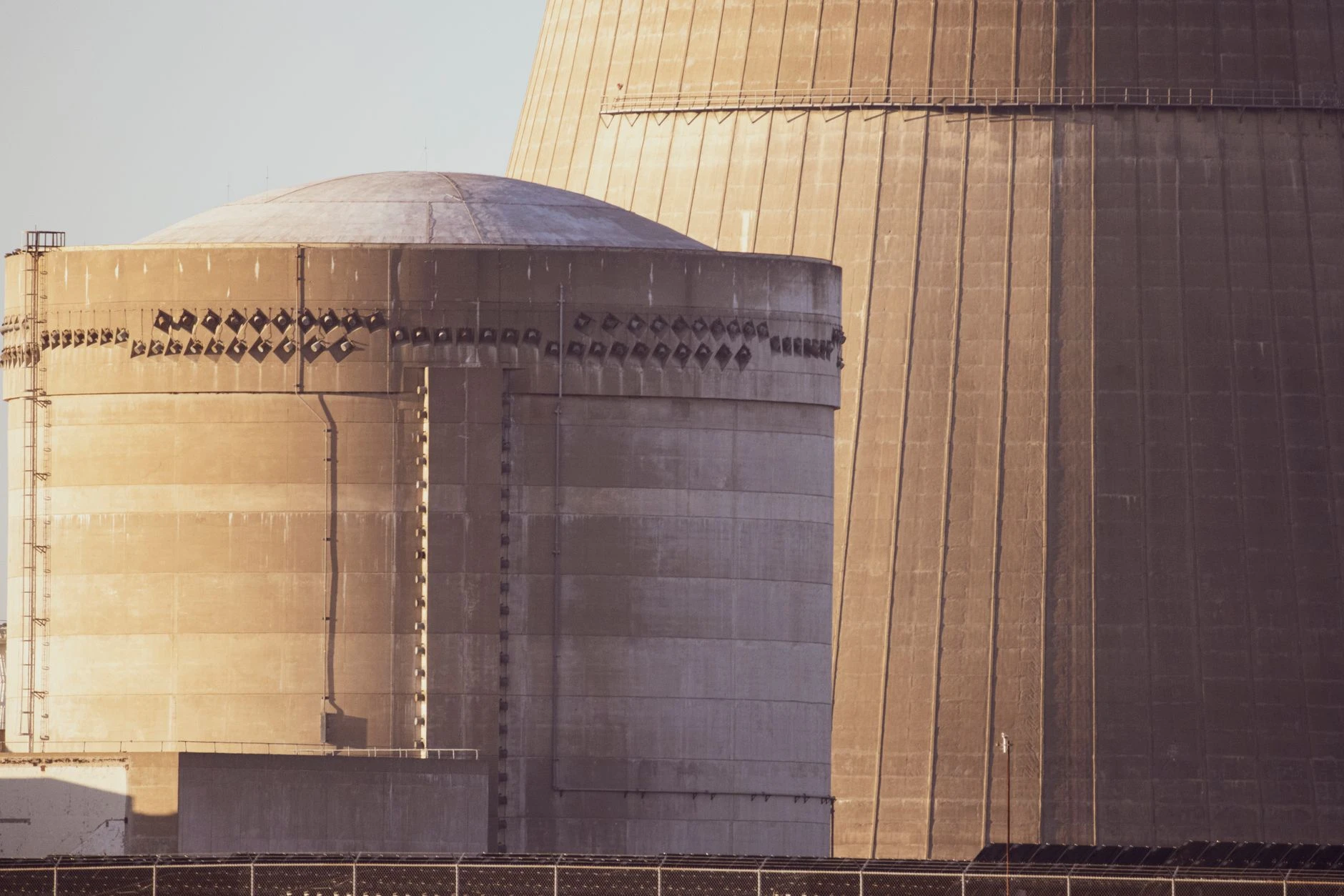
The restoration on Saturday showed that technical fixes are still possible, but only within a fragile security arrangement that can collapse at any moment. It also showed the limits of improvisation: a plant built to run with multiple robust power links is now surviving through temporary repairs, localized ceasefires and constant crisis management. In a war zone, that is not resilience. It is a warning that the next outage could be harder to reverse.
Sources
- [1]usnews.com
- [2]iaea.org
- [3]kyivindependent.com