World
Zimbabwe parliament passes bill to extend presidential terms to seven years
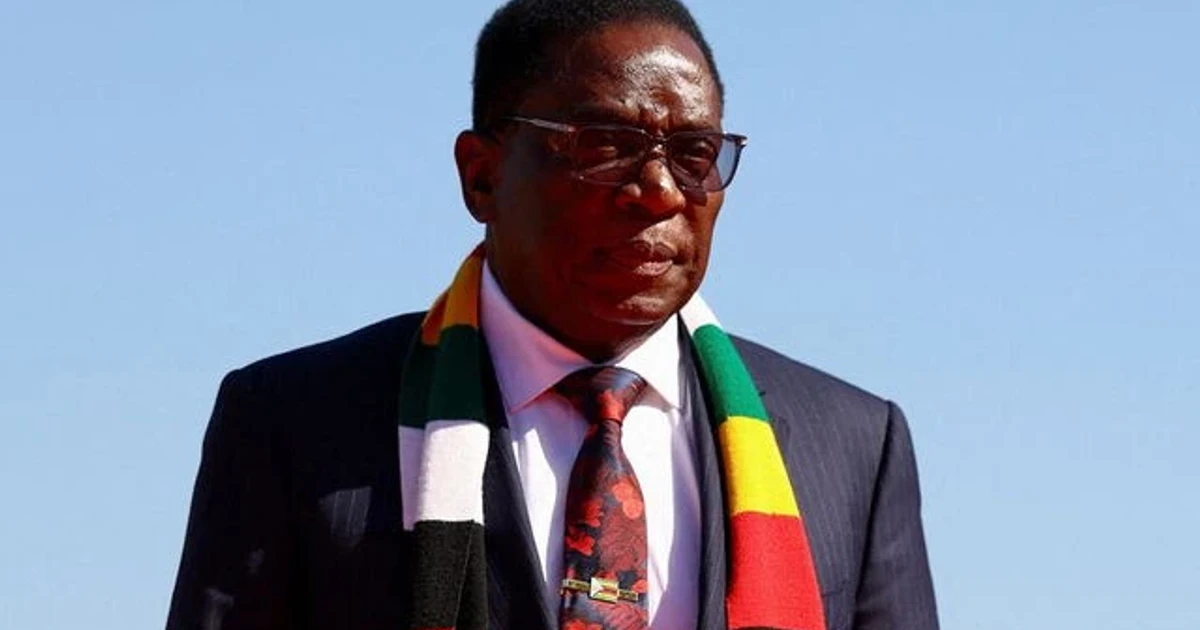
Zimbabwe’s lower house approved a constitutional bill on Thursday that would stretch presidential terms from five years to seven, opening the door for Emmerson Mnangagwa to stay in office until 2030 instead of leaving after his current timetable ends in 2028. Lawmakers passed the measure by 216 votes, well above the 187 needed for a two-thirds majority in the National Assembly, and sent it to the Senate, where ZANU-PF is expected to have the numbers to carry it through.
Known as the Constitution of Zimbabwe Amendment No. 3 Bill, or CAB3, the proposal has become one of the most consequential tests yet of Zimbabwe’s post-2017 political order. The bill was gazetted on February 16, triggering a mandatory public consultation process, and the government introduced it to parliament on June 2 after Cabinet had backed a draft earlier in the year. Local reporting said the process drew more than half a million submissions, a sign of the scale of public concern around changes that would affect the timing of the next presidential election and the rules for succession.
The Constitutional Court dismissed a challenge on June 17 brought by six liberation war veterans and former legislator Prince Dubeko Sibanda, removing one of the main legal obstacles to the amendment for now. Critics say CAB3 is less about governance reform than about extending Mnangagwa’s rule. Supporters argue the change would improve accountability, political stability and continuity in government.
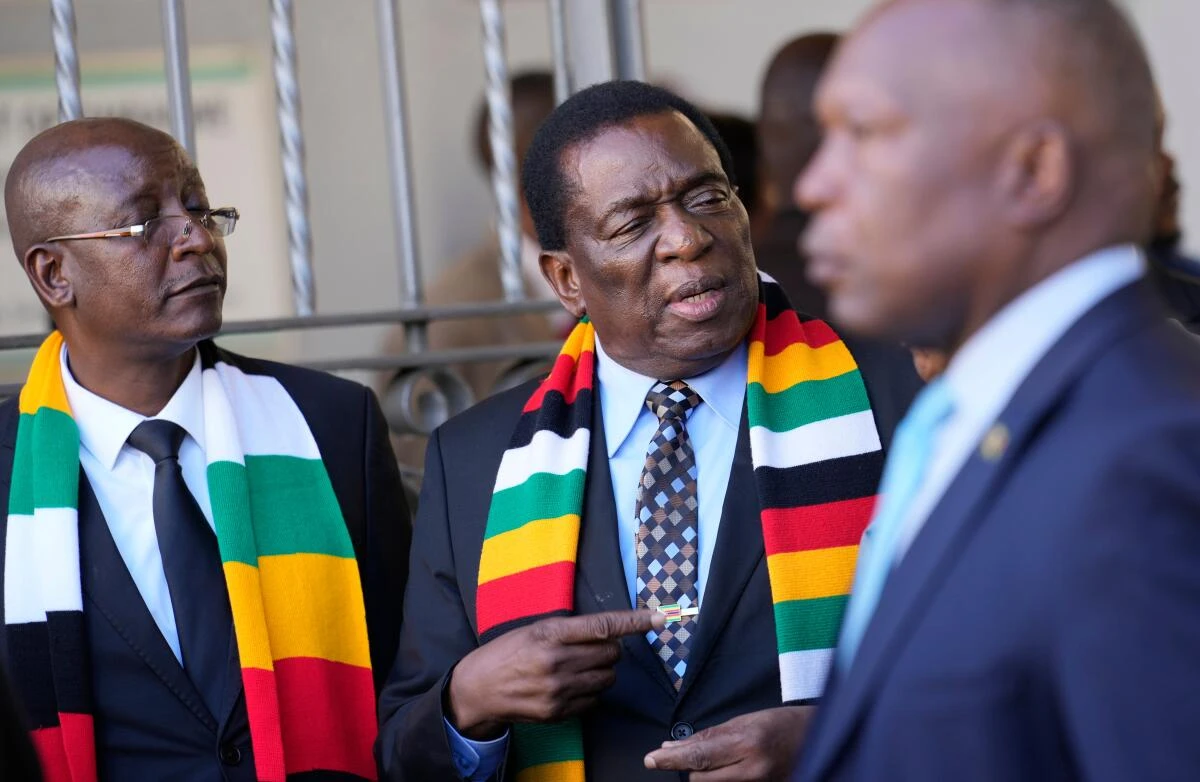
Mnangagwa, 83, came to power after the 2017 military coup that ousted Robert Mugabe, who had ruled Zimbabwe since independence in 1980. That history gives the bill added weight: the country’s leadership changed hands through force eight years ago, but the latest debate shows how fragile the constitutional checks on executive power remain. Local reporting has also described CAB3 as extending parliamentary terms from five to seven years, and in some versions of the debate as changing how the president is selected.
The measure now moves to the Senate, where ZANU-PF’s grip on traditional leaders and other allies makes approval likely. More broadly, the bill fits a pattern seen in parts of Africa, where constitutional revisions have been used to prolong long-serving leaders’ time in office. In Zimbabwe, the deeper issue is not only whether Mnangagwa remains president, but whether parliament, the courts and the broader political system can still protect peaceful turnover and keep succession rules from being rewritten around incumbency.
Sources
- [1]usnews.com
- [2]straitstimes.com
- [3]heraldonline.co.zw
- [4]newzimbabwe.com
- [5]pindula.co.zw
- [6]africanews.com