Technology
Zoox recalls self-driving cars that may not detect heavy smoke
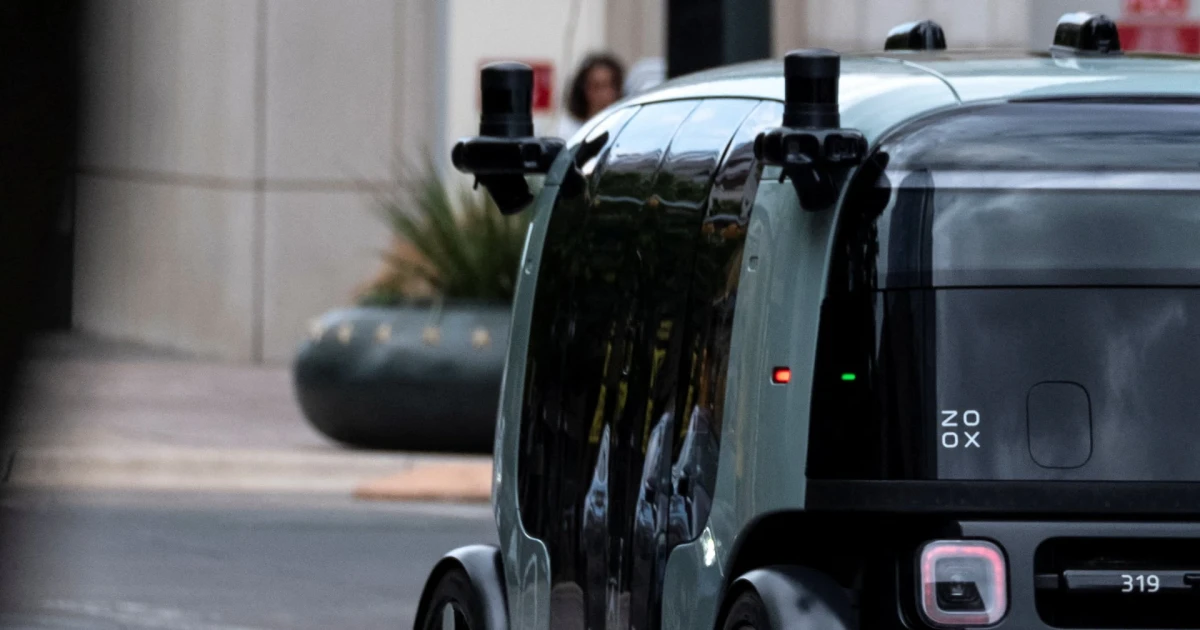
Zoox recalled 105 self-driving vehicles after the National Highway Traffic Safety Administration said the robotaxi software may fail to detect and respond to heavy smoke, a defect that could push the vehicles into low-visibility emergency scenes. The recall, campaign 26E044, carries an estimated defect rate of 100 percent and covers software installed on vehicles built from April 23, 2026 through July 15, 2026.
The agency said the problem is not just a navigation glitch. If the automated driving system fails to detect heavy smoke, a vehicle could enter an area where visibility is sharply reduced, particularly around active emergency scenes, raising the risk of a crash and potentially impeding first responders.
That warning lands in a part of the autonomous-vehicle business that remains harder to sell than smooth highway driving or clean downtown demos. Smoke can obscure pedestrians, cyclists, road edges, traffic signs and nearby vehicles, while also changing how cameras and lidar read the scene. For a driverless fleet, the challenge is not simply seeing a lane line; it is deciding when conditions are too dangerous to proceed.
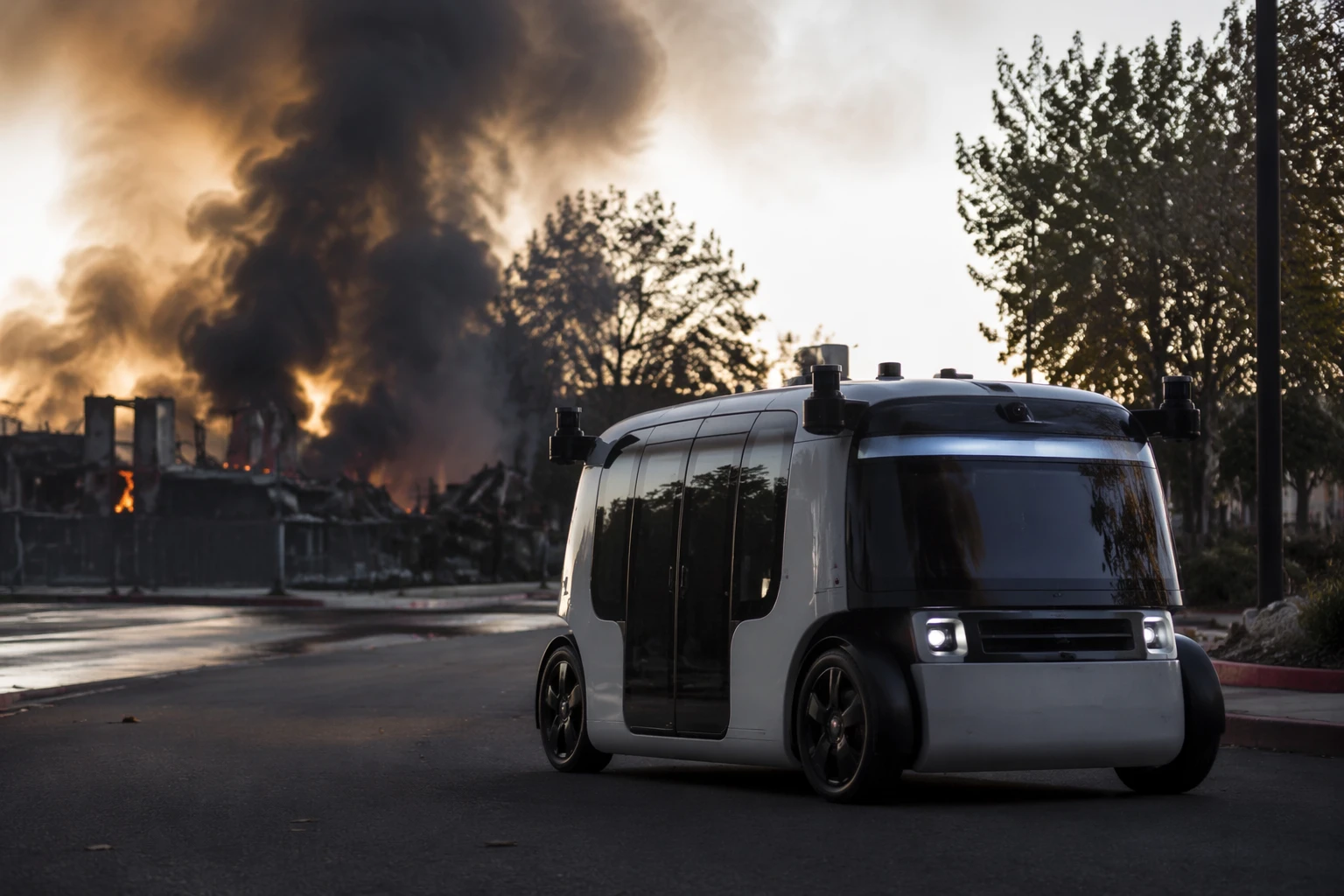
The concern became concrete in Las Vegas, where an unoccupied Zoox vehicle entered a fire scene obscured by smoke on June 20 and then braked hard. That incident turned a theoretical edge case into a real operational failure, the kind that regulators and city officials are likely to scrutinize as more robotaxis move onto public streets.
Zoox, owned by Amazon.com, has been building toward public-road service from its base in Foster City, California, but the recall shows how narrow the margin still is for autonomous systems operating in messy, unpredictable conditions. The company has already faced earlier safety actions, including a March 19, 2025 voluntary recall of previous software and another recall in May 2025 involving 270 vehicles over a separate software issue.
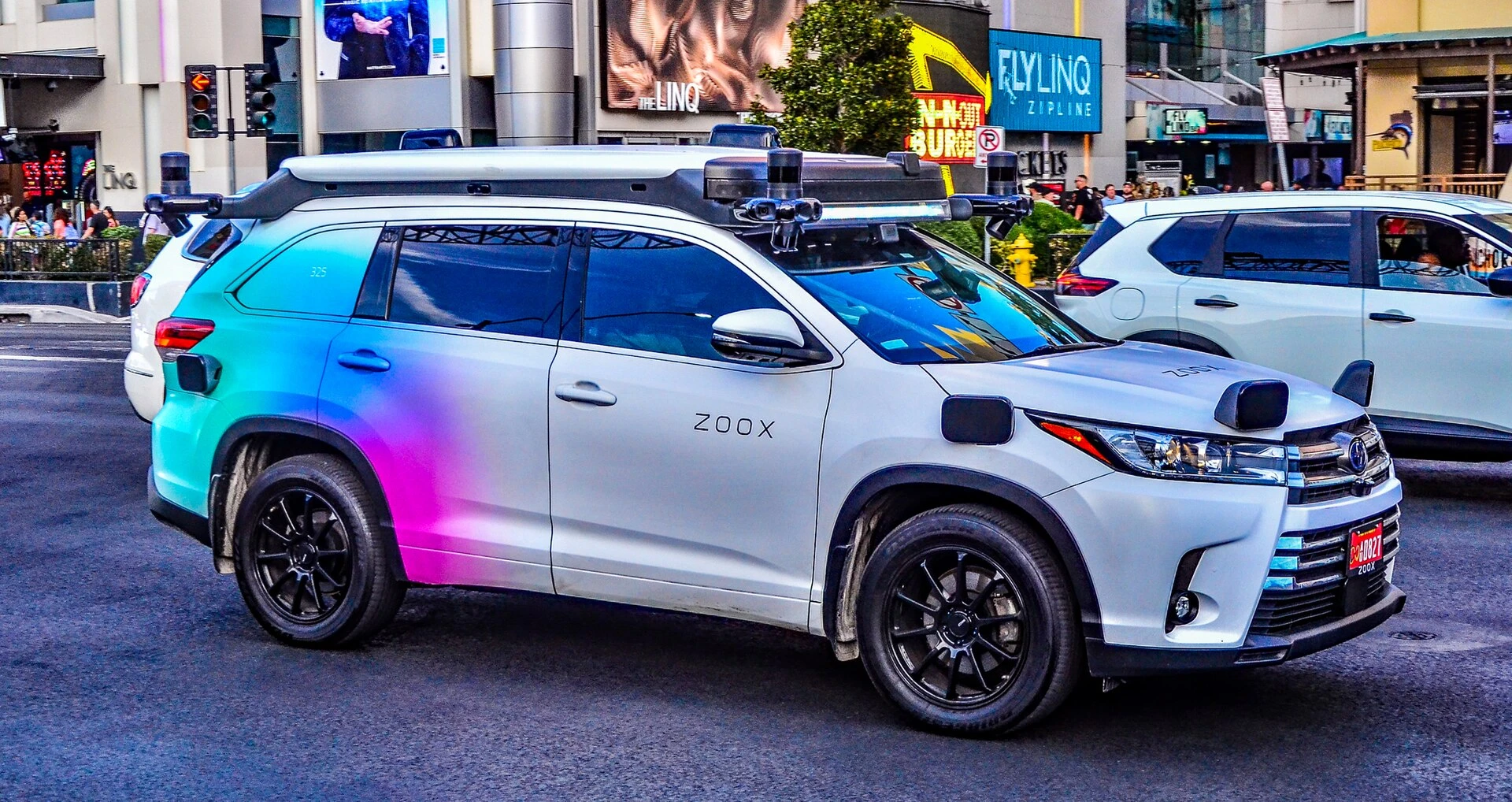
The pattern matters because the robotaxi industry is being judged on whether its systems can handle the rare events that matter most. Heavy smoke, vehicle fires, wildfire haze and other low-visibility conditions are exactly the kinds of scenarios that can expose gaps between polished autonomous-driving demonstrations and the exhaustive reliability standards needed before the public trusts driverless fleets at scale.
Sources
- [1]reuters.com
- [2]static.nhtsa.gov
- [3]cnbc.com
- [4]qz.com
- [5]morningstar.com
- [6]zoox.com