Politics
Zuma India visit with Gupta reignites South Africa corruption backlash
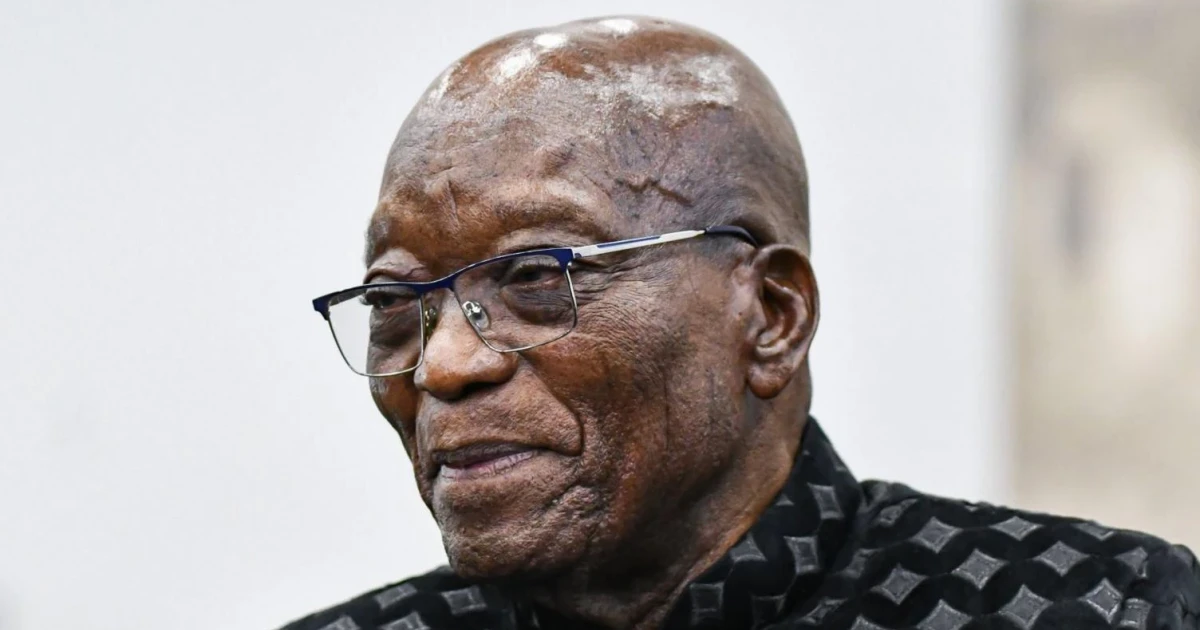
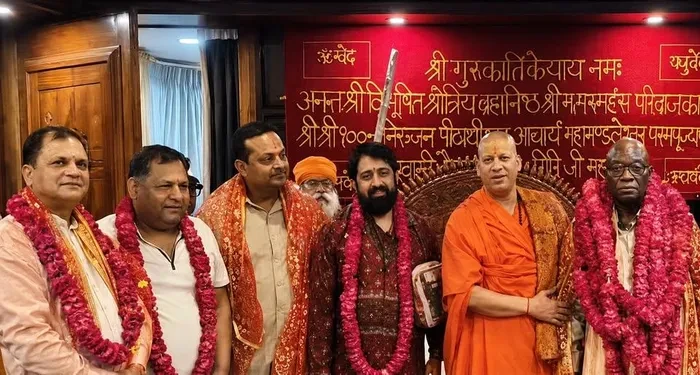
Jacob Zuma’s appearance with Ajay Gupta in Haridwar, India, has reopened one of South Africa’s most poisonous political wounds, after photographs showed the former president at a prayer meeting on 26 June 2026 at the Sidipeeth Shri Dakshin Kali Temple.
The backlash was immediate. Khumbudzo Ntshavheni, the Minister in the Presidency, said Zuma was “showing the middle finger” to South Africans by meeting Gupta, one of the Indian businessmen tied to the state capture network that dominated the last decade of South African politics. Ronald Lamola, the international relations minister, said the visit reflected negatively on South Africa and warned that a former head of state could not run a “parallel foreign policy.”
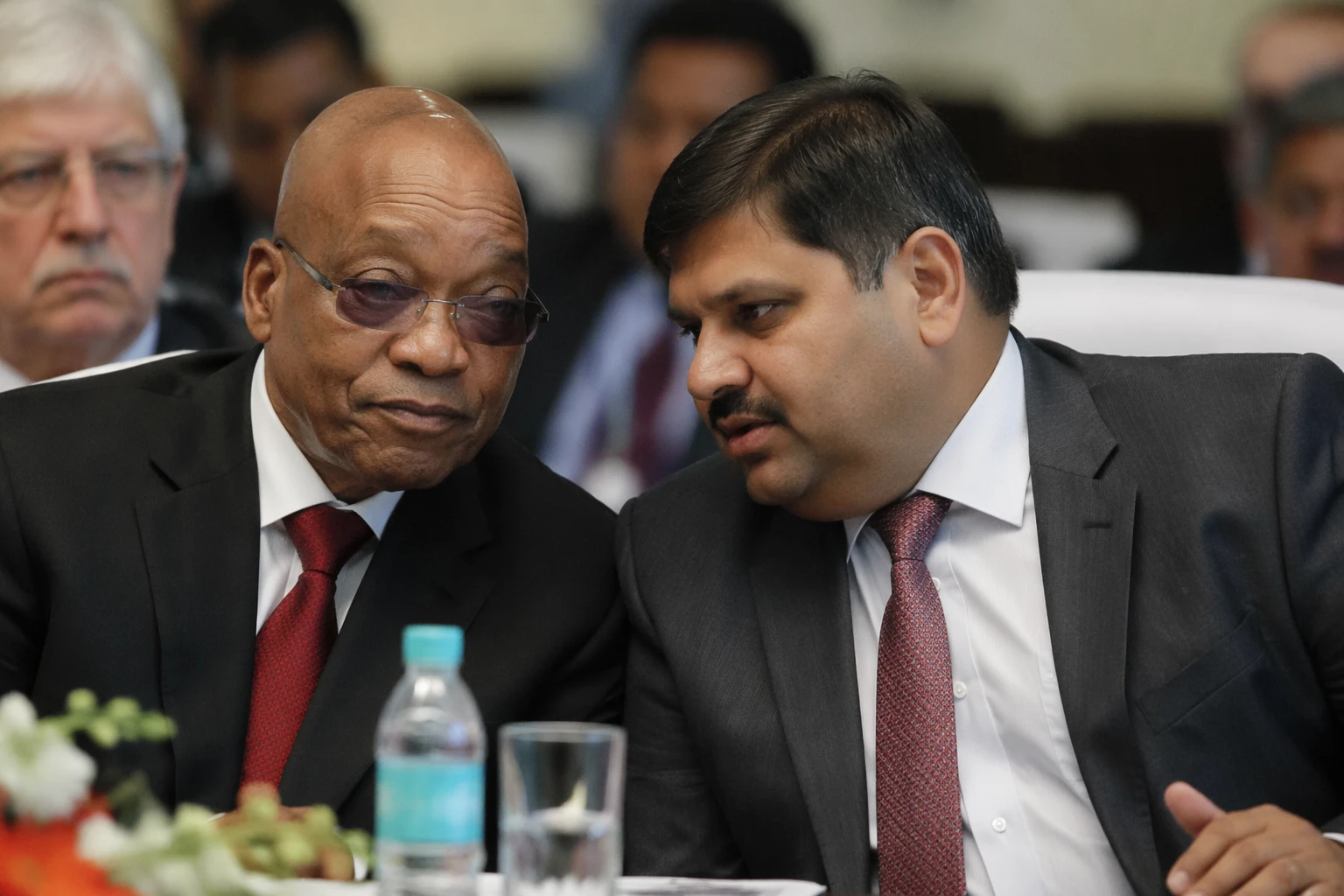
Lamola has now ordered an internal investigation into South Africa’s High Commissioner to India, Anil Sooklal, after Sooklal also appeared at the event alongside Zuma and Gupta. The scrutiny has widened the affair beyond a single photograph and into the conduct of South African officials abroad, with Pretoria now forced to examine how a former president and a serving envoy ended up in the same public setting as a figure still central to the state capture scandal.
The Gupta name remains explosive because the Judicial Commission of Inquiry into Allegations of State Capture found clear evidence of abuse of power. Atul and Rajesh Gupta fled South Africa in 2018, and the National Prosecuting Authority has said it still faces challenges in bringing them back to face fraud and money laundering charges linked to state capture. South Africa’s extradition request hit a setback in April 2023, when the United Arab Emirates rejected the request.
The episode has also prompted a wider debate about whether South Africa has enough legal tools to restrain former presidents who act against the state’s interests. Analysts and anti-corruption campaigners say the country’s current framework does not clearly set consequences for ex-presidents who undermine public confidence or blur the line between private allegiance and national interest.
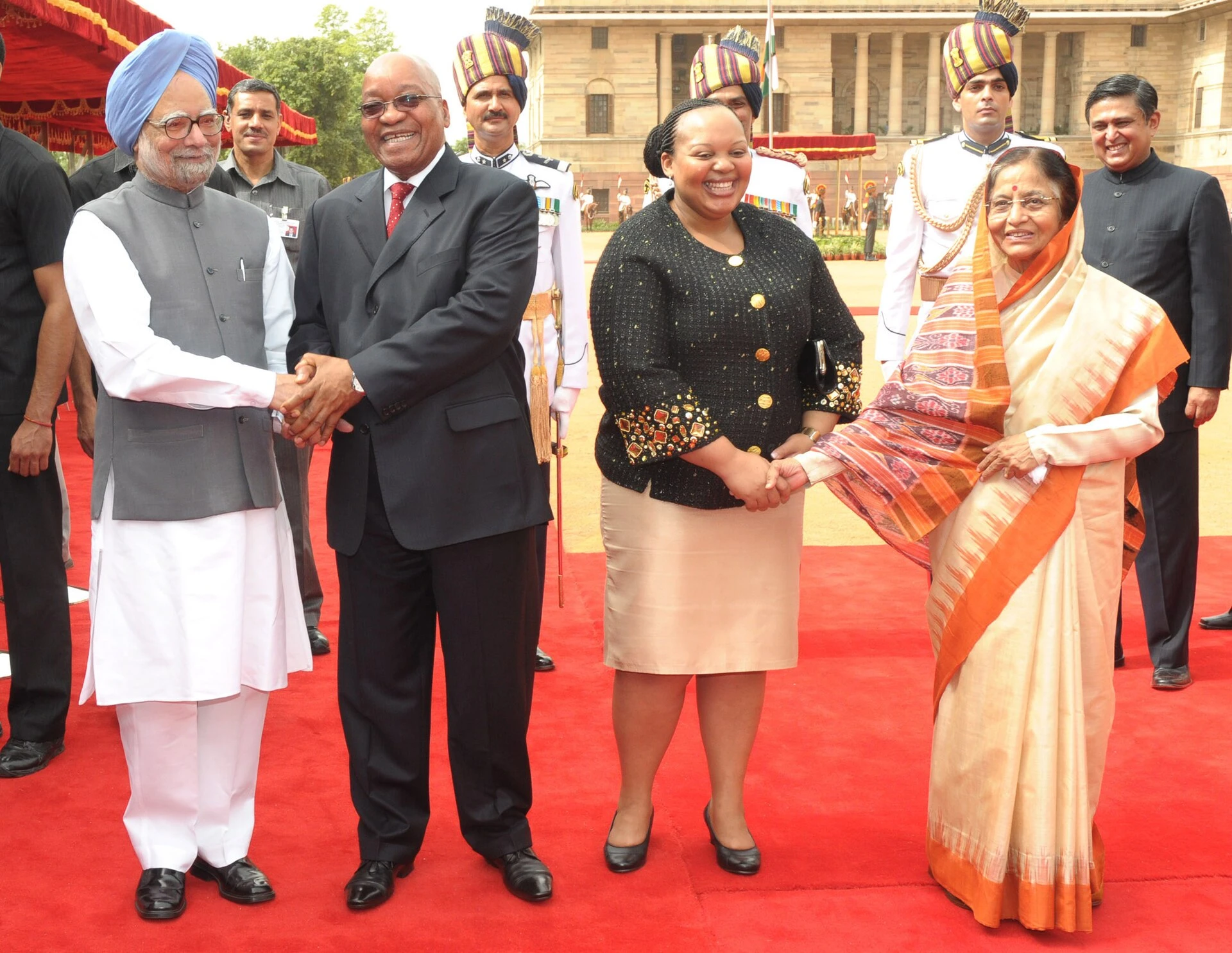
Zuma, who led South Africa from 2009 to 2018, remains a deeply divisive figure, and the latest controversy has revived calls to rethink the privileges and benefits extended to former presidents. For many South Africans, his appearance with Ajay Gupta did not just recall a past scandal. It showed how little of the state-capture era has truly been closed.
Sources
- [1]bbc.co.uk
- [2]bbc.com
- [3]dailymaverick.co.za
- [4]iol.co.za
- [5]justice.gov.za
- [6]sanews.gov.za
- [7]statecapture.org.za
- [8]presidency.gov.za
- [9]gov.za