Politics
10 years after Brexit, Britain’s politics remain deeply fractured
Brexit was sold as a single decisive vote, but its consequences have proven far larger than the campaign ever promised. Ten years on, the 2016 referendum still shapes British politics, local government and economic expectations, while the country continues to live with the fallout of a narrow decision that split voters, parties and regions.
A vote that reordered British politics
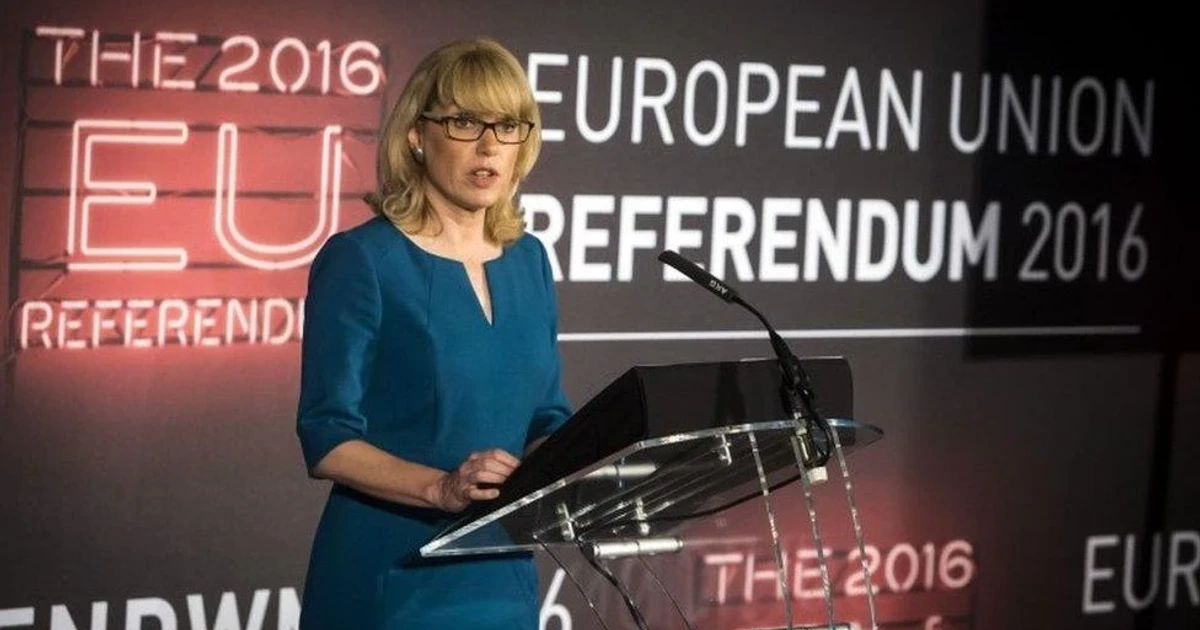
The official referendum result was painfully close: 51.9% voted Leave, or 17,410,742 people, while 48.1% voted Remain, or 16,141,241, on a 72.2% turnout. The result was declared in Manchester on 24 June 2016 by Electoral Commission chief counting officer Jenny Watson, and David Cameron resigned the next day. Britain is now on course to have its seventh prime minister since that vote, a striking measure of how the referendum destabilized the country’s governing system.
That instability was not a side effect. Brexit became a defining political identity, not just a policy choice. It fractured the European Union, repeatedly upended British party politics and left successive leaders struggling to turn a referendum slogan into a workable governing settlement.
How the political fracture has endured
The clearest lesson from Brexit is that a narrow mandate can be easy to win and hard to implement. Once the vote had been cast, the argument did not end. It hardened into a long-running fight over sovereignty, immigration, economics and national identity, with parties remade around their stance on departure from the EU.
That is why the issue still divides voters and regions a decade later. In many places, the referendum became a shorthand for who felt heard and who felt ignored. For parties, it became a loyalty test that kept rewriting alliances, especially when leaders tried to soften, delay or reverse the original promise.
The economics never settled into the promised story
Brexit’s economic record has been tracked closely by the Office for Budget Responsibility, which says it has been producing analysis of Brexit’s effects on the economy and public finances since the referendum. The longer-term assessment has been stark. NBER economists Nicholas Bloom, Philip Bunn, Paul Mizen, Pawel Smietanka and Gregory Thwaites estimate that by the end of 2025 Brexit had reduced UK GDP by 6% to 8%, investment by 12% to 13%, employment by 3% to 4% and productivity by 3% to 4%.
Those numbers matter because the referendum was sold with confident claims that were always larger than the evidence behind them. The most famous was the pledge that Brexit would free up £350 million a week for the NHS, a promise that remains a touchstone in arguments over trust, accountability and political honesty. Ten years later, that slogan still functions as a warning about how campaign messaging can outlive its credibility.
The public health angle also matters. When political shocks alter growth, investment and employment, the effects do not stay on spreadsheets. They feed into wage growth, household security, local public services and the fiscal room available for health and social care, all of which shape daily life long after the ballot paper is counted.
Why Boston, Lincolnshire matters
Boston, Lincolnshire recorded the highest Leave vote share at 76%, according to the House of Commons Library, and that makes it a powerful symbol of the geography behind Brexit. The town’s result showed how strongly the Leave message resonated in places where national identity, migration and economic frustration overlapped.
That split was not uniform across Britain, and it did not stay neatly contained within “Leave” or “Remain” categories. The referendum exposed deep differences between cities and towns, regions and regions, and even within the same urban area. It also showed how a campaign built around national grievance can land very differently depending on local history, labor markets and demographics.
Sheffield shows how local politics had to absorb the shock
Sheffield is especially useful for understanding how the vote worked on the ground. The city’s referendum result was close to the national split, while Sheffield Hallam and Sheffield Central voted Remain and other parts of the city strongly backed Leave. That mixed outcome made Sheffield a microcosm of the wider British divide, where different neighborhoods could read the same referendum as either liberation or loss.
The city quickly treated Brexit as a matter of local governance, not just national drama. Following a debate on 20 July 2016, Sheffield City Council passed a motion asking officers to examine the implications of the vote for Sheffield. That decision captures something important about the Brexit era: once the national argument was settled by ballot, local authorities still had to figure out what the result meant for jobs, services, business planning and the city’s future relationship with Europe.
What Britain’s experience means for U.S. readers
Brexit is not just a British story. For U.S. readers, it is a cautionary tale about what happens when a populist mandate collides with the complexity of governance. Winning a referendum or election can create the illusion of a clean break, but policy follow-through is usually slower, messier and more expensive than the campaign rhetoric suggests.
There are three lessons worth carrying across the Atlantic:
• Identity-driven politics can outlast the issue that sparked them. • Campaign promises aimed at emotion can become permanent political liabilities. • Economic costs often emerge gradually, then reshape public life long after the initial celebration or shock.
Brexit also shows how hard it is to unwind a political story once it becomes part of a country’s self-understanding. A decade later, Britain is still living with the consequences of a vote that promised clarity and delivered fragmentation. The referendum changed not just the country’s relationship with Europe, but the way Britain argues with itself.