Health
Ancient DNA study reveals widespread human evolution over 10,000 years
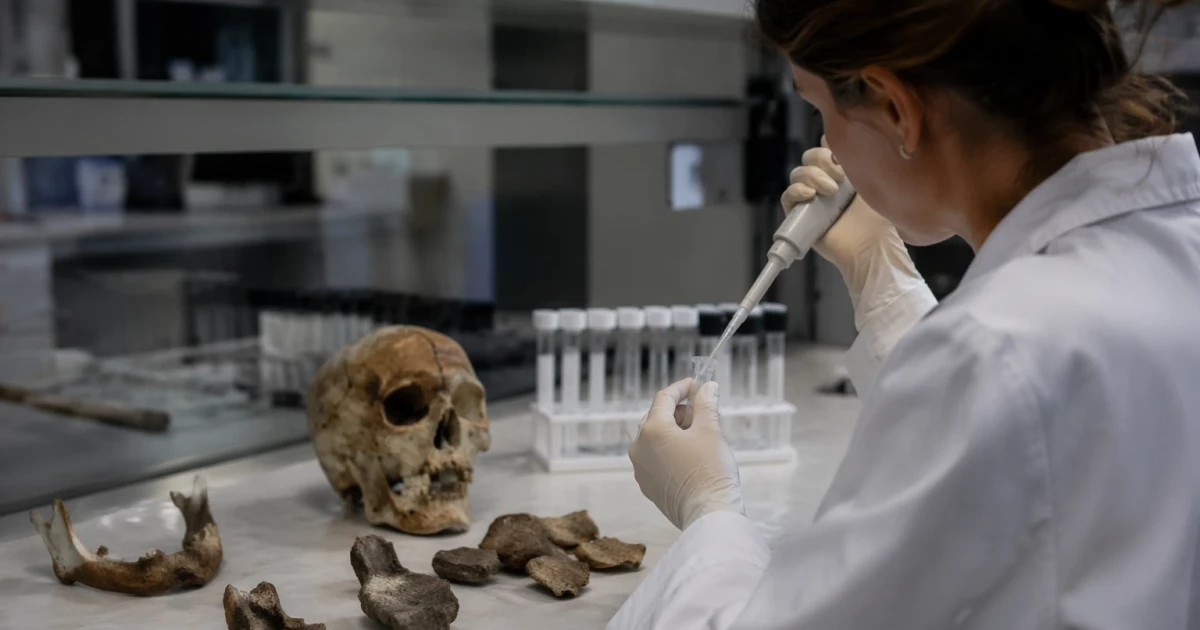
Nature published a major ancient-DNA study on April 15, 2026 that examined 15,836 ancient West Eurasian genomes and found hundreds of instances of directional selection across the last 10,000 years. The scale of the data pushed the story of human evolution past the familiar boundary of farming and into a period where genetic change remained active and measurable.
More than half of the genes flagged in the analysis are tied to disease risk or other traits seen in living people today. Harvard Medical School and the Broad Institute both framed the findings as evidence that natural selection acted on hundreds of genes, not dozens, in recent human evolution. Scientists involved in the work said the result shows modern human evolution did not stop with agriculture or industrial society, and that ancient DNA is now powerful enough to detect genetic shifts that accumulated over millennia.
The study also sharpens the timeline. Earlier Nature research in 2023 used more than 1,600 imputed ancient genomes to model selection during the shift from hunting and gathering to farming and pastoralism across West Eurasia. The new analysis, built on nearly 16,000 genomes, expands that picture from a narrower transition period to a much larger sweep of recent human history.
That broader lens matters because it complicates any neat idea that evolution left only faint traces after the first villages and fields appeared. The 2026 study instead points to a long-running process in which selection continued to shape traits linked to health and appearance. Among the examples highlighted in related coverage were a red-hair-associated MC1R signal and evidence connected to leanness, showing that some of the clearest fingerprints of adaptation can sit inside ordinary-seeming modern traits.
For medical genetics, the implications are direct. A gene variant that helped ancient populations survive a past environment may now influence present-day disease risk or bodily traits in ways that only become visible when enough ancient genomes are available to track the path across time. The result is a more complicated picture of human change, one in which certainty about when evolution “ended” gives way to a larger and less tidy record.
Sources
- [1]nytimes.com
- [2]nature.com
- [3]hms.harvard.edu
- [4]broadinstitute.org
- [5]thesheffieldpress.com