Politics
Burnham wins Makerfield seat, fueling speculation about Starmer challenge

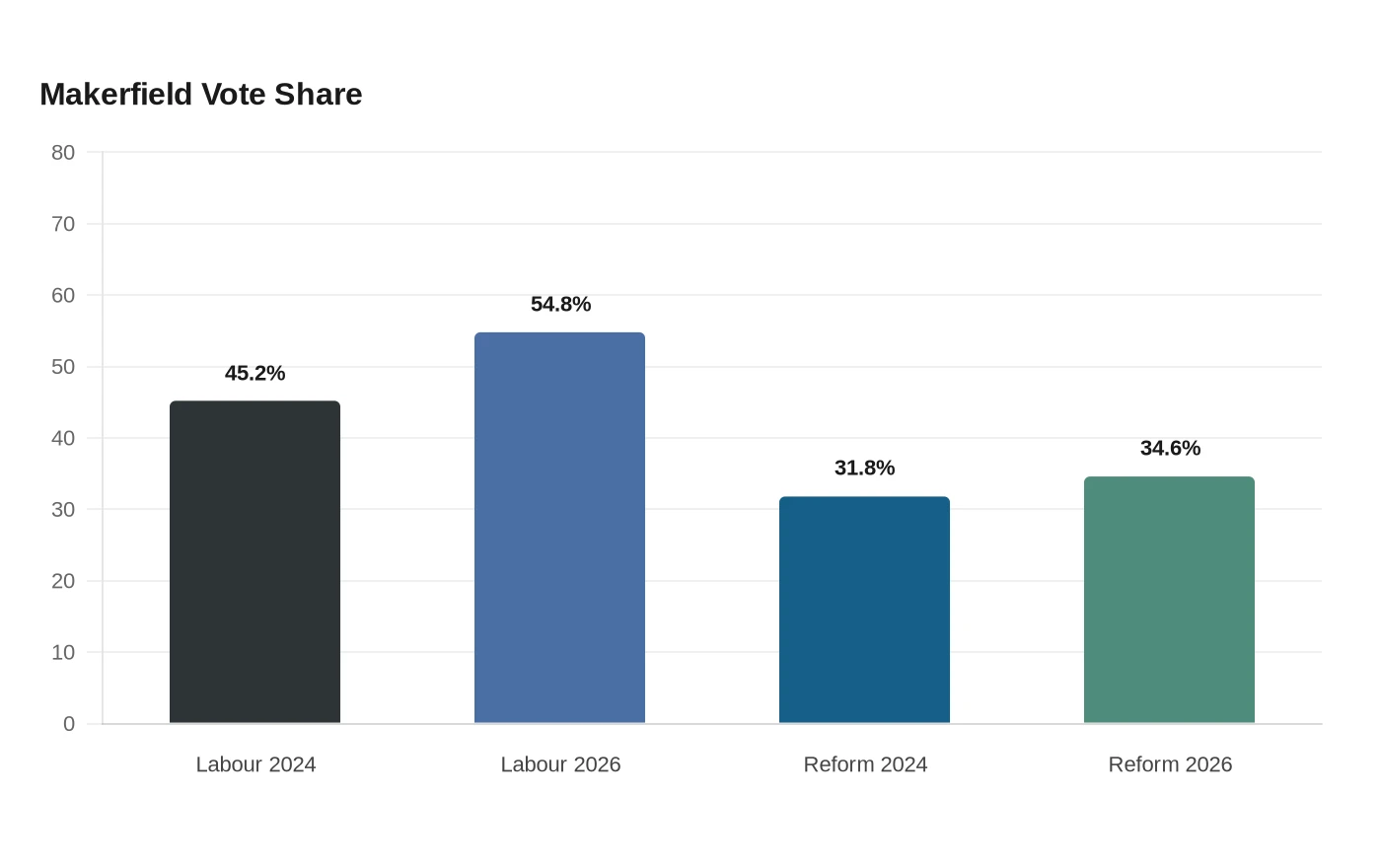
Burnham’s return to Westminster has turned Labour’s unease with Keir Starmer into a live political problem. The Greater Manchester mayor won the Makerfield by-election on Thursday with 24,937 votes, or 54.8%, and a majority of 9,241 over Reform UK’s Robert Kenyon, who took 15,696 votes, or 34.6%.
That result sent Burnham back to the House of Commons after almost a decade away and immediately deepened speculation that he could mount a challenge to Starmer’s leadership. Starmer said he would not “walk away” from any leadership contest, warning that a fight at the top would plunge the country into chaos, while Burnham said the vote meant Labour had a “final chance to change.”

The by-election was forced by the resignation of Labour MP Josh Simons on May 18, 2026, clearing the path for Burnham to seek a Commons seat before any leadership bid. Makerfield has been Labour-held since it was created in 1983, and its predecessor seat, Ince, had been in Labour hands from 1906 until 1983. In 2024, Simons won the seat with 18,202 votes, or 45.2%, and a majority of 5,399 from an electorate of 76,641, with turnout at 52.5%.
What makes the result more damaging for Starmer is not only the size of Burnham’s win but the fact that Labour’s hold on Makerfield had already been weakening. Reform UK finished second in 2024 with 31.8% of the vote, and the seat had begun to look like a Labour-Reform marginal. This time, the anti-Labour right was split between Reform UK and Rupert Lowe’s Restore Britain, easing Burnham’s path while still underscoring how volatile English politics has become.
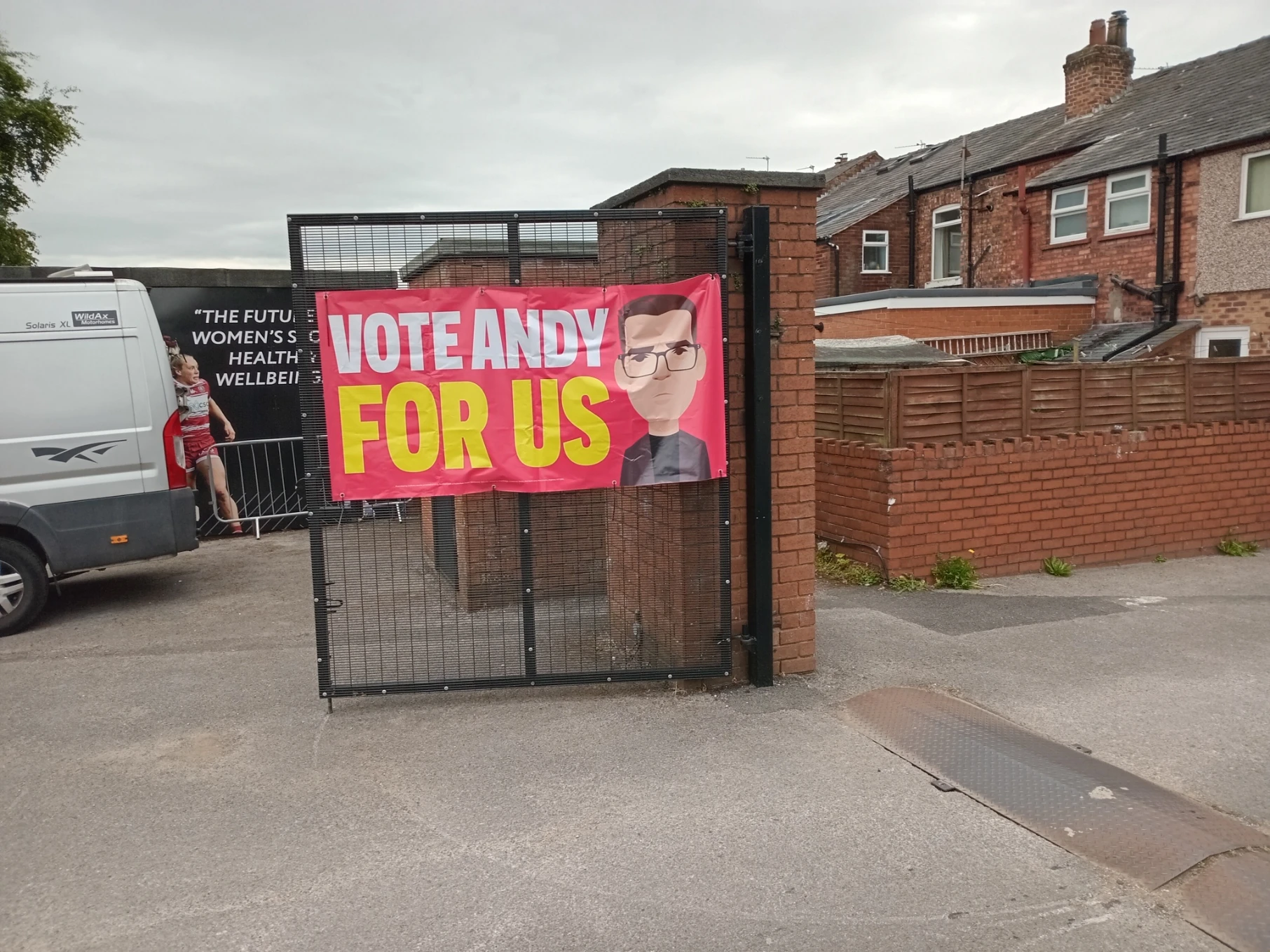
Sir John Curtice described the performance as a “remarkable personal success”, and the comparison with the 1965 Leyton by-election only sharpened the sense of history. Then, Patrick Gordon Walker entered Parliament through a deliberately created vacancy and still lost to Reginald Sorensen. Burnham’s case is different, but the warning for Labour is similar: a seat engineered to elevate an insider can instead expose a broader weakness.
For Labour MPs now weighing their future, the Makerfield result offers something that abstract dissatisfaction never did. Burnham is no longer just a name attached to discontent in the party’s north-west base. He is back in Parliament, backed by a decisive result, and positioned as the most serious internal threat to Starmer since Labour returned to power.
Sources
- [1]nytimes.com
- [2]thesheffieldpress.com
- [3]reuters.com
- [4]apnews.com
- [5]theguardian.com