World
Europe heat wave exposes aging infrastructure as records shatter

The World Meteorological Organization said the heat wave sweeping Europe was hitting economic activity, infrastructure, agriculture and ecosystems across large parts of the continent. Heat-health action plans were being mobilized for millions of people as record temperatures strained systems built for a cooler climate.
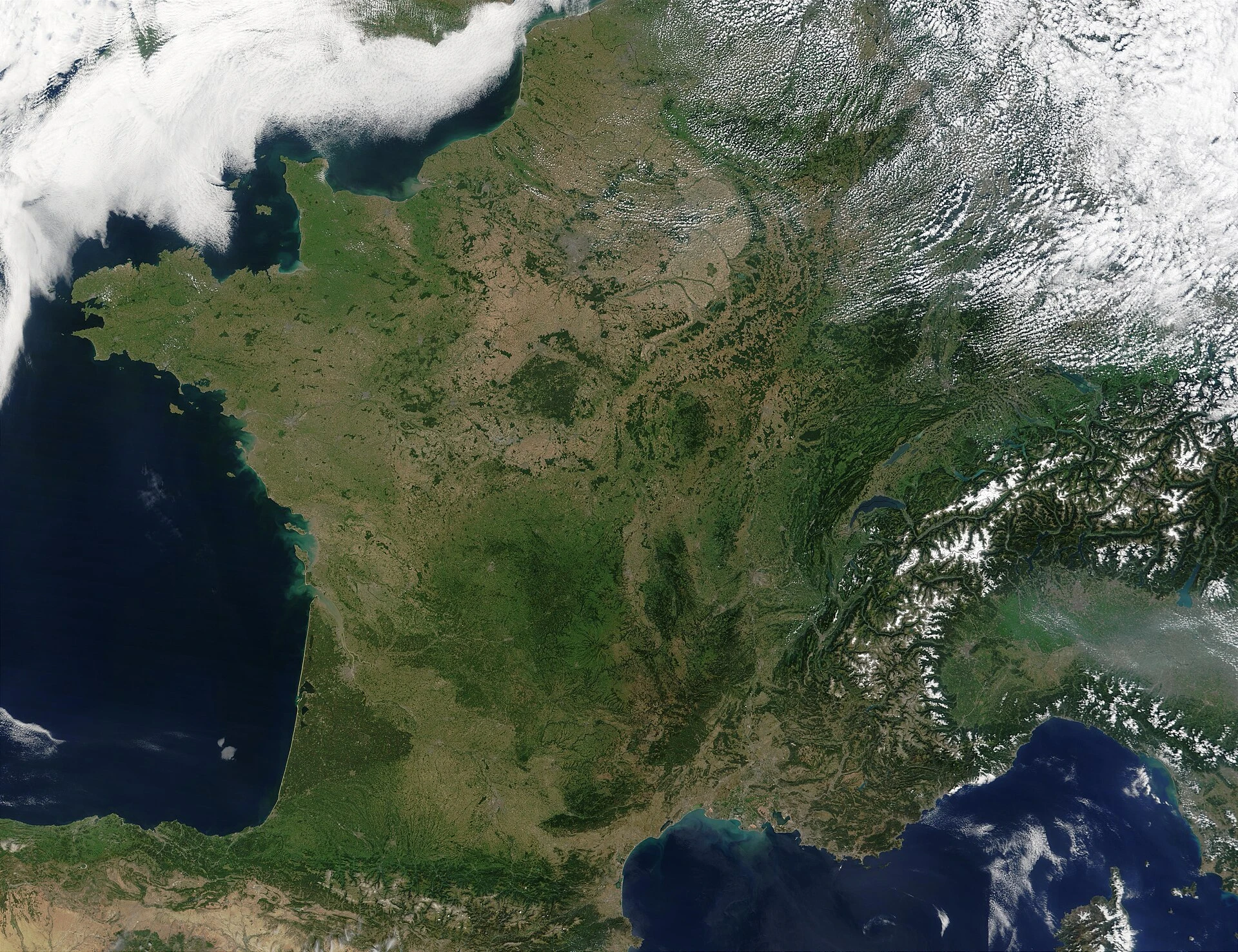
France became the clearest fault line. The country recorded its hottest day on record on June 24, with a national average temperature of 30.0C, after breaking its previous mark the day before. Météo-France placed a record 58 departments under red alert. Spain logged its hottest June days on June 23 and 24, while the United Kingdom issued a red extreme heat warning for June 24 and 25 and reported a provisional June high of 36.1C at Gosport.

The pressure showed up first in the grid. A heat-related incident left about 68,000 homes without electricity in western France after a transformer in Ergué-Gabéric overheated. EDF said France’s nuclear output was reduced by 4.1 gigawatts because high temperatures limited access to cooling water. At the Golfech nuclear plant, one unit shut down on June 22 after the Garonne River became too warm for cooling. MIT Technology Review said at least seven gigawatts of nuclear capacity in France were forced offline during a July 2025 heat wave, a reminder that the same climate stress has already knocked major baseload power offline before.
Daily life bent around the heat. More than 1,000 schools in England and Wales closed, and transport schedules were disrupted across the region as authorities tried to protect children and workers from dangerous temperatures. Across Europe, rail systems, public transit, hospital capacity and outdoor work rules came under strain as the heat spread beyond France.
The human toll was severe as well. At least 40 drowning deaths in France were reported as people tried to cool off, underscoring how quickly heat can drive deadly choices. The timing made the episode more alarming: Europe’s worst heat usually arrives later in the summer, not in late June, even though Copernicus Climate Change Service says the continent has warmed about twice as fast as the global average since the 1980s. The scale of the damage now reaches beyond emergency response and into costly adaptation, from power plants and schools to the public-health systems expected to hold when records fall.
Sources
- [1]nytimes.com
- [2]news.un.org
- [3]cnbc.com
- [4]technologyreview.com
- [5]thesheffieldpress.com
- [6]climate.copernicus.eu