World
Europe swelters as record heatwave shatters temperatures and kills dozens
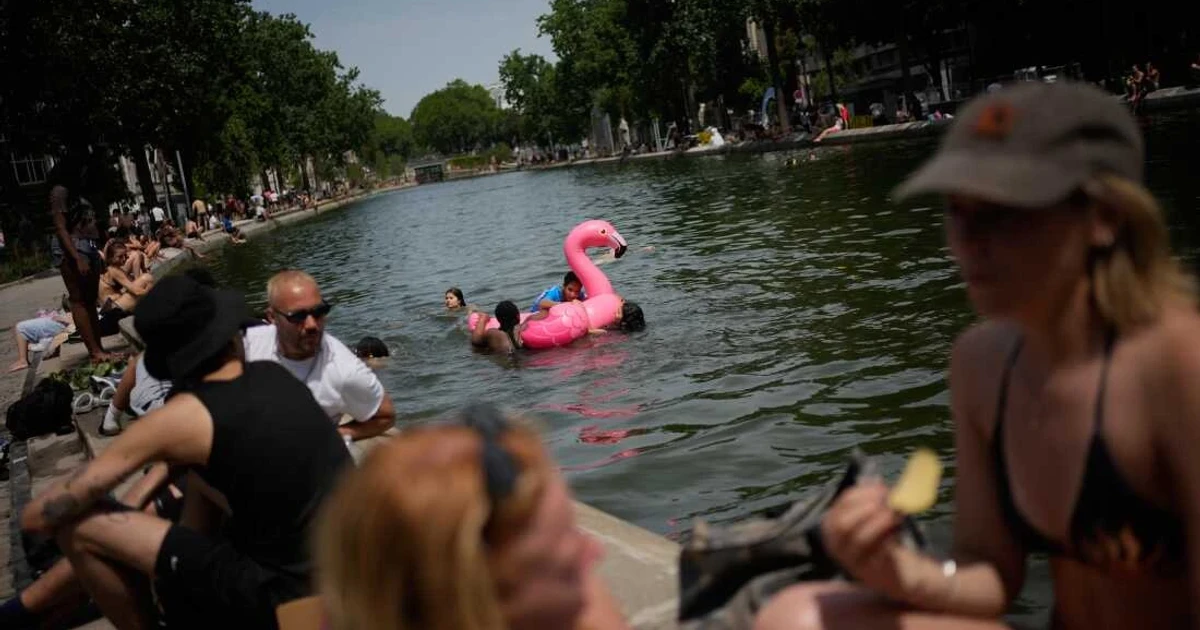
France recorded its hottest day ever on Tuesday, June 23, 2026, when the national thermal indicator reached 29.8 C, or 85.6 F, and Météo-France placed 54 departments under red heat-wave alert. The scale of the emergency spread far beyond France, with red alerts also in Britain, Germany, Austria, Switzerland, Spain and Italy as Europe’s early-summer heat intensified.
For the United States, the episode is a reminder that extreme heat is not only a weather event but an infrastructure test. Rail systems, school schedules, public transit, hospital capacity and outdoor work rules all came under strain across Europe, while officials faced a more basic question: how to keep cities functioning when temperatures spike before the season’s usual peak.
In France, the heat forced practical restrictions in places built for crowds and summer tourism. Public alcohol consumption was restricted in red-alert areas, including Paris, during Fête de la musique. The Eiffel Tower and the Louvre also restricted visiting hours, while schools and transport schedules were disrupted in multiple countries as governments tried to reduce exposure and keep services running.
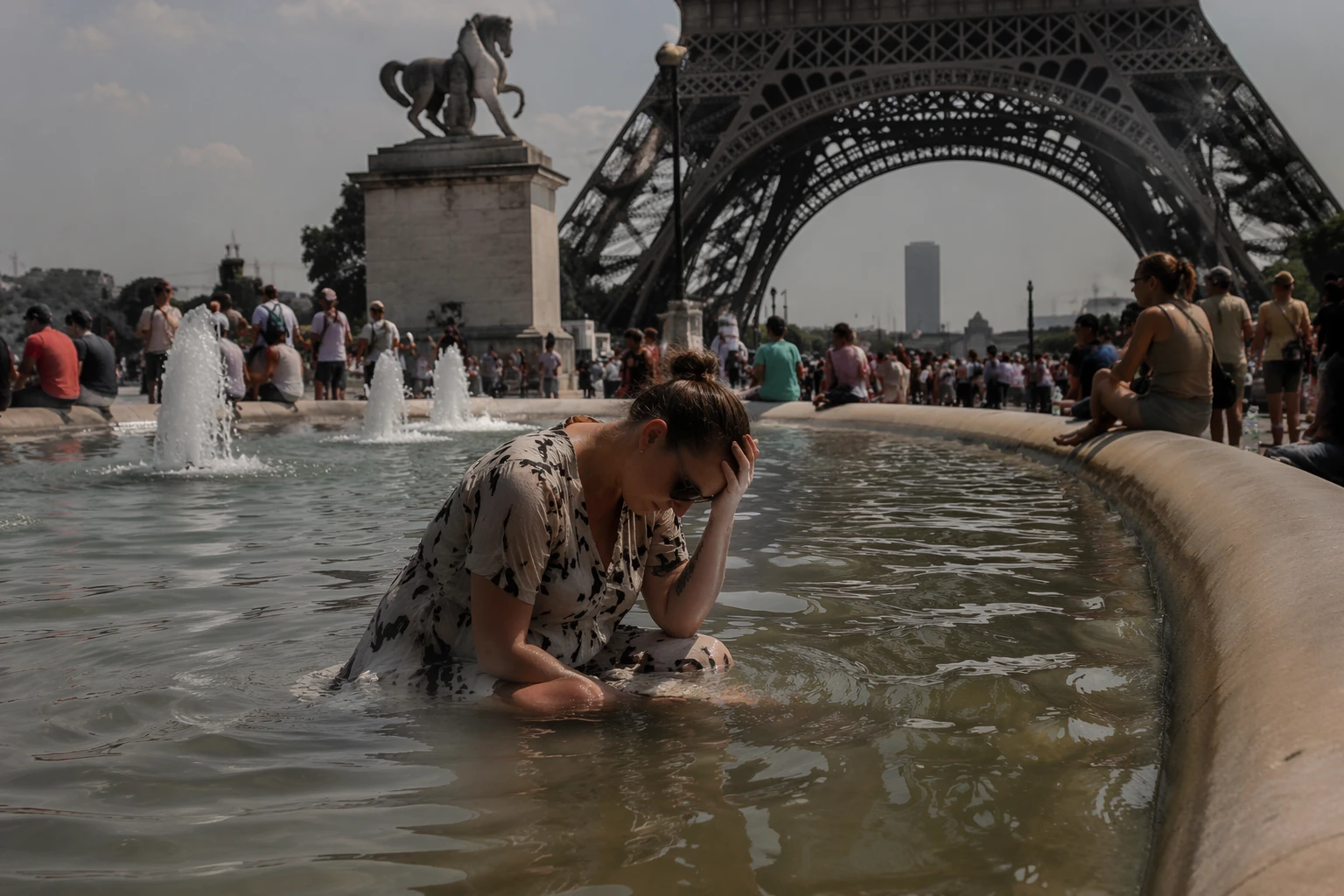
The human toll kept rising. French officials said 40 people had drowned since last Thursday as people sought relief from the heat, and earlier reports in the week described at least 18 deaths in France, including children. Reuters described the episode as a deadly Omega heatwave, a label that captures how quickly the crisis widened across the continent.
Britain entered its own danger zone as the Met Office issued a Red Extreme Heat Warning for Wednesday and Thursday, June 24 and 25, and forecast that June’s all-time daily temperature record could be broken. On June 24, Britain’s highest temperature for June reached 35.8 C in southern England, underscoring how quickly the heat crossed borders and overwhelmed normal expectations for the month.

The timing matters as much as the temperature. Europe’s worst heat usually arrives later in the summer, not in late June, which has sharpened climate alarm among officials and experts. For policymakers in Washington, state capitals and city halls, the lesson is immediate: the next heat emergency will expose the same weak points in labor protections, public-health planning and basic infrastructure if they are not hardened before the thermometer climbs.
Sources
- [1]news.google.com
- [2]usnews.com
- [3]metoffice.gov.uk
- [4]msn.com
- [5]france24.com
- [6]cbsnews.com
- [7]bbc.com
- [8]thesheffieldpress.com