Technology
Google’s new Home Speaker signals a smart-home reset
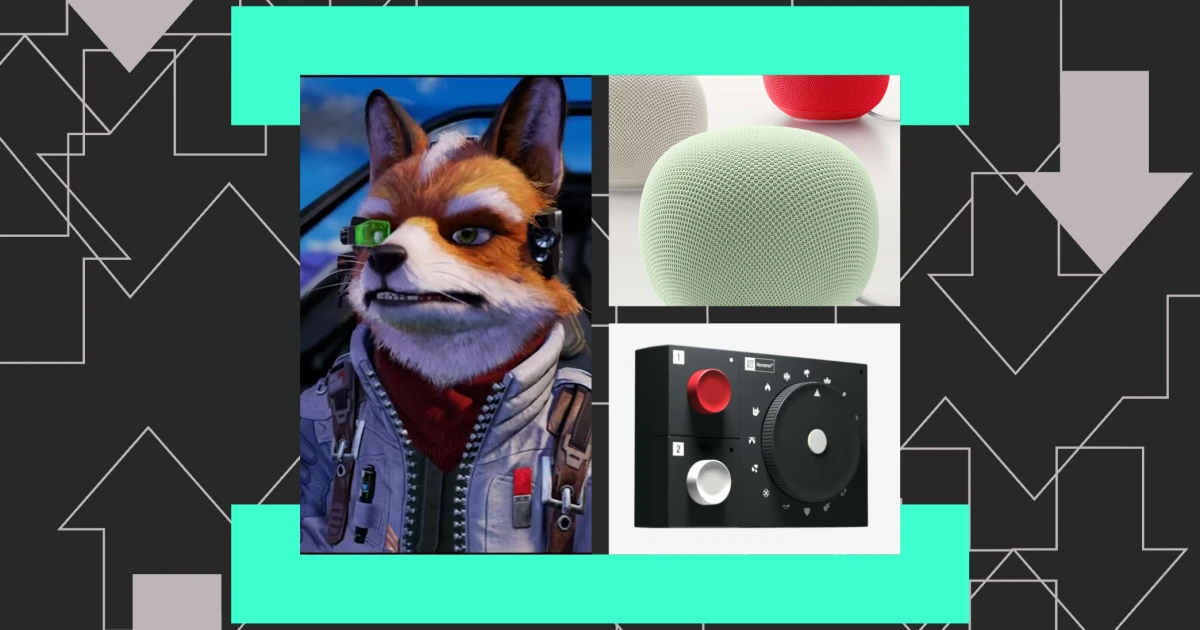
Google is trying to make a smart speaker matter again. The new Home Speaker arrives as the company’s first audio device built specifically for Gemini for Home, with a $99.99 price tag that puts it squarely in the center of the smart-home reset Google has been promising.
A launch aimed at the whole category, not just one device
Google opened pre-orders on June 24, 2026 and set shipments to begin June 25, after an earlier spring 2026 launch window had already slipped. That timing matters because the speaker was being discussed as a rare new Google smart-home product worth explaining in plain terms: why it exists, what has changed, and whether Google still intends to compete seriously in the home.
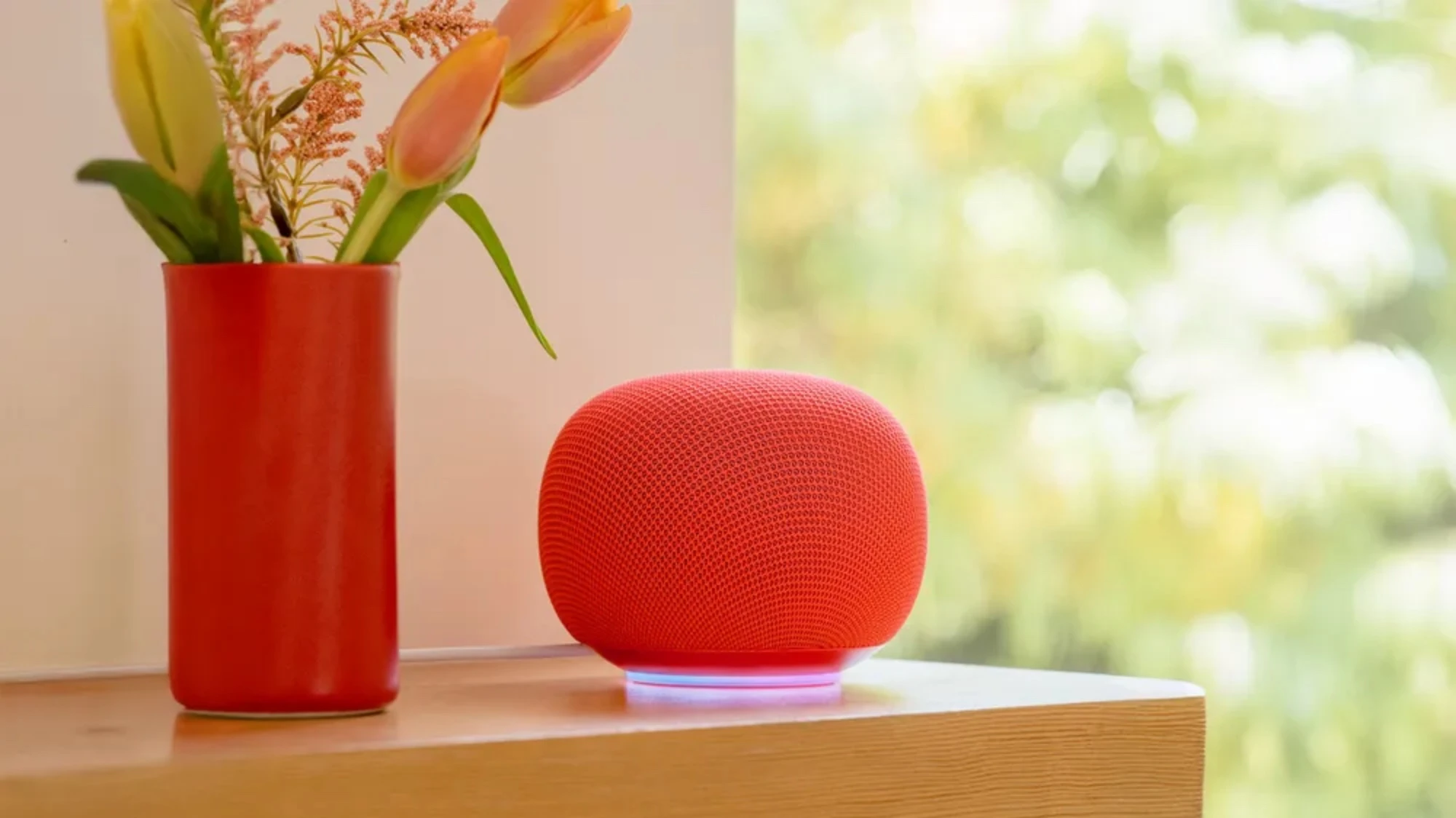
The company is positioning the Home Speaker as a replacement for both the Nest Audio and the Nest Mini, which effectively moves Google’s entry-level smart-speaker strategy into a higher price band. It also comes in porcelain, hazel, jade, and berry, a small but deliberate signal that Google wants this to read like a mainstream home object rather than a technical accessory.
Gemini for Home is the real product shift
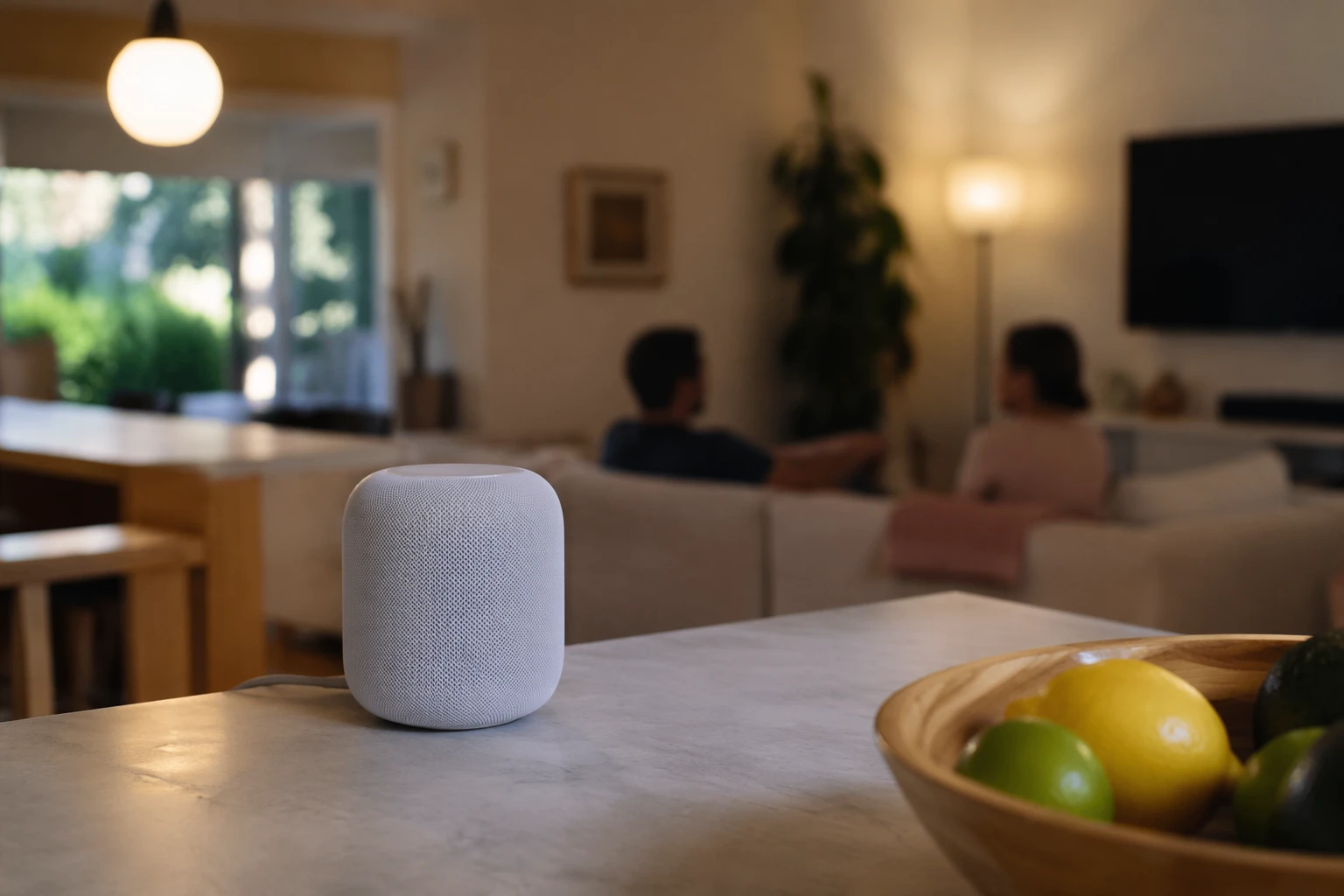
The hardware only makes sense against Google’s broader software overhaul. Google announced Gemini for Home in August 2025, replacing Google Assistant on existing speakers and displays and extending the system into cameras, doorbells, and the Google Home app. In other words, the speaker is not a one-off refresh. It is the most visible part of a platform change that is meant to redefine how Google’s home products work together.
Google says the more advanced Gemini features require Google Home Premium, which now sits alongside the company’s broader subscription stack. Google Home Premium Standard costs $10 per month or $100 per year, while Advanced costs $20 per month or $200 per year. Google also says Home Premium is included with Google AI Pro and Google AI Ultra subscriptions, a move that ties the smart home directly to Google’s paid AI ecosystem.
That subscription structure shows how the company is trying to monetize usefulness rather than novelty. Gemini Live, AI-powered notifications, Home Brief, searching video history, and automations with Ask Home are all part of the new home-AI package, and Google’s pricing makes clear that the most capable features sit behind a recurring fee.
Sound quality is only part of the sales pitch
The Home Speaker’s audio upgrades matter, but only because the category has stalled around mediocre sound for too long. Google says the device includes 360-degree audio, and that design choice is meant to make the speaker less dependent on where it sits in a room. The speaker can also pair with a Google TV Streamer for a home-theater setup, extending its role beyond voice commands into living-room playback.
Google’s wider ecosystem pitch is just as important. The company says the Home Speaker can connect with other Nest speakers and Cast-enabled devices for whole-home audio, and its support materials still describe the Google Home and Google Nest universe as spanning speakers, displays, Wi-Fi, locks, alarms, and other connected products. That means the Home Speaker is not being sold as a standalone gadget. It is a portal into a much larger system.
The clearest sign that Google knows the smart-speaker category has become about reliability, not hype, is the microphone claim. In two days of testing, Google says the Home Speaker’s three microphones did not miss a basic voice command, even while music played at full volume. That is a narrow test, but it points to the real problem smart speakers have faced for years: if they cannot hear you accurately, the rest of the AI story does not matter.
Privacy is now a core feature, not a footnote
Google is also trying to answer the privacy concerns that have dogged connected speakers since the category took off. The Home Speaker has a light ring around the base that shows when it is listening or speaking, plus a physical microphone mute toggle. Those are visible signs of control, and Google is clearly aware that consumers now evaluate smart-home products as much for restraint as for capability.
The tougher privacy question sits in the software. Google says the paid Gemini features can include search across camera history, which turns the speaker into part of a broader surveillance-and-retrieval layer across the home. Google’s factory-reset guidance adds another layer of complexity: resetting clears device data and can delete data associated with the device, such as video history, but some basic device data may remain connected to the home. That is the kind of detail that matters when a speaker is also a control point for cameras, doorbells, and other household devices.

The result is a product that reflects the current tradeoff in smart home design. More useful AI depends on more data, and more data creates more pressure on users to trust the platform managing it.
What this reset actually asks of buyers
Google’s new speaker is interesting because it collides with four long-running failures in the category: weak privacy controls, uneven sound quality, thin AI usefulness, and ecosystem lock-in. The Home Speaker tries to answer each one with a visible mute switch, 360-degree audio, Gemini-driven automation, and tighter integration with Google TV Streamer, Nest devices, and the broader Google Home platform.
That does not make it a clean break from the past. A $99.99 speaker is still a serious purchase for a category that once sold itself as a cheap add-on, and Google’s best AI features now sit behind Home Premium or bundled AI subscriptions. But the device does mark a shift in what a smart speaker has to be worth in 2026: not just a voice box, but a dependable home interface that can hear clearly, fit into a larger system, and justify the tradeoffs it asks users to accept.
Sources
- [1]theverge.com
- [2]thesheffieldpress.com
- [3]blog.google