Business
Hamptons luxury depends on invisible workers facing precarious lives
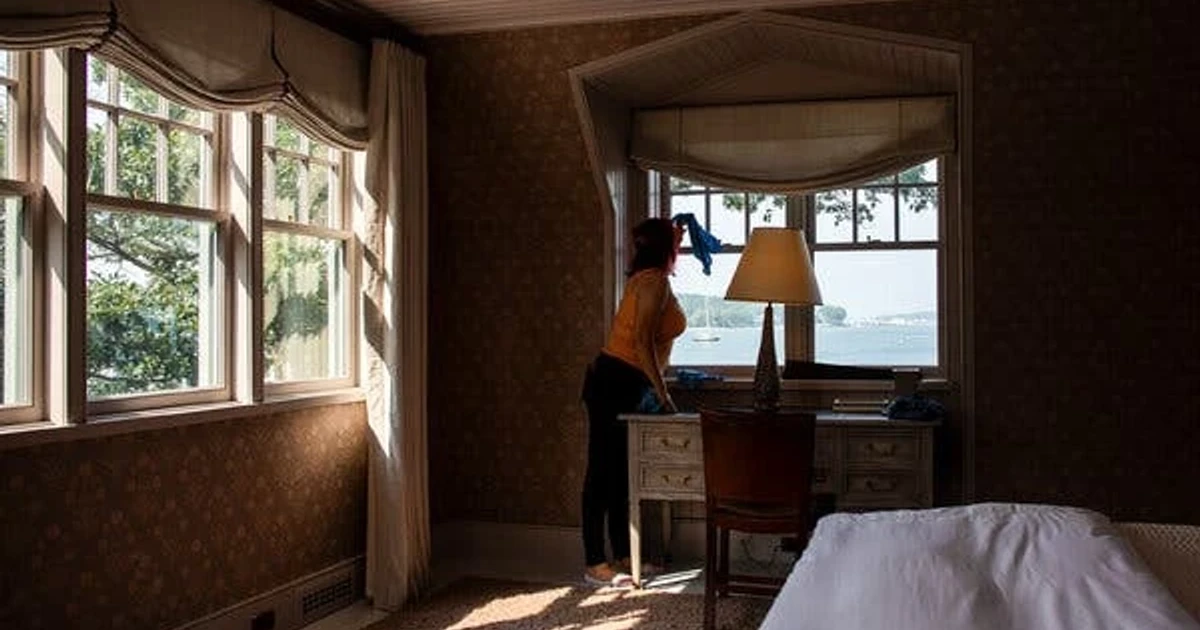
The manicured lawns, spotless kitchens, and pristine patios of the Hamptons depend on workers who are rarely visible in the luxury they sustain. Behind the region’s polished image is a service economy built on landscapers, nannies, house cleaners, gardeners, carpenters, housekeepers, restaurant workers, and construction laborers, many of them navigating unstable housing and precarious legal and financial lives.
The workforce behind the polish
One Hamptons landscaper’s death in the snow exposed the labor system behind that polished wealth. Wealthy resort properties need crews to mow, prune, plant, clear, and repair, and the people doing that work are often treated as temporary inputs rather than as residents whose lives shape the region.
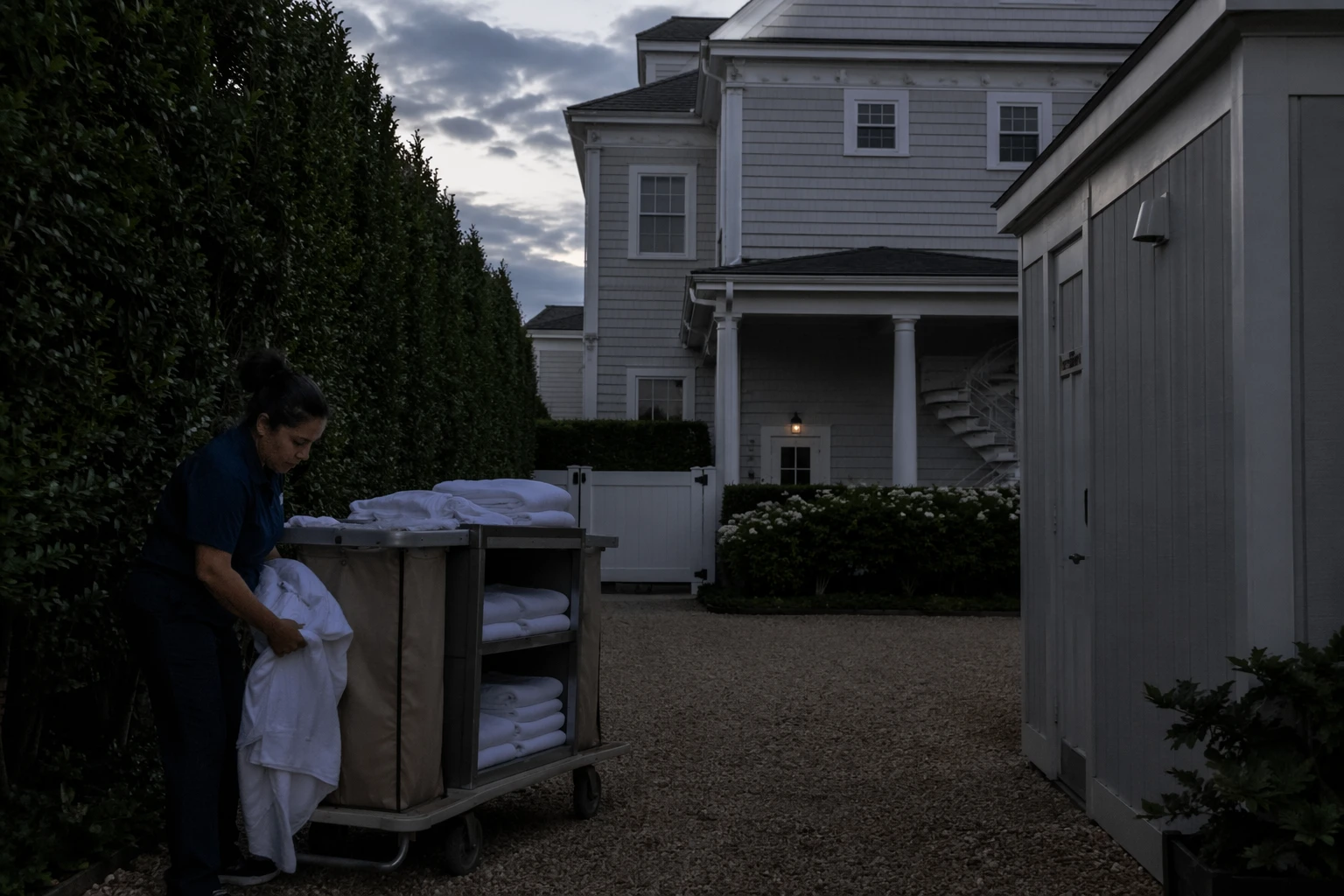
That dependence is visible across the East End’s labor market. Latino immigrants make up the bulk of the workforce, logging 12-hour days flipping mattresses, scrubbing toilets, hanging drywall, tending vineyards, and assembling patio furniture under the hot sun. The work is physically demanding, and it is spread across industries that keep the Hamptons functioning long after the tourists leave.
Seasonal demand, seasonal vulnerability
The Hamptons’ labor system is shaped by the calendar as much as by real estate. In summer, demand surges for landscaping, hospitality, home maintenance, and construction. When temperatures fall, the same workers can find themselves with fewer hours, less income, and no buffer against rent, car repairs, or medical bills.
That seasonal swing shows up in the places workers gather to look for jobs. Laborers meet at the 7-Eleven parking lot in Southampton to find day labor work, with jobs ranging from landscaping and painting to millwork and general handyman tasks. The market is informal, mobile, and often insecure, which leaves workers exposed when the season ends or when a contractor stops calling.
Housing is part of the same problem. Seasonal workers face low pay, unstable housing, and little protection, a combination that turns the Hamptons from a symbol of abundance into a place where many workers remain one missed paycheck from crisis.
Julio Florencio Teo Gomez and the cost of being essential
The human stakes are clearest in the story of Julio Florencio Teo Gomez, a Guatemalan carpenter and day laborer on Long Island’s East End. He found work during the landscaping season, but the colder months were harder, and at times he lived in encampments in the woods in Bridgehampton. He later died after being struck by a car while walking near County Road 39 in the Bridgehampton, Shinnecock Hills, Water Mill area.
Teo Gomez had been trying to collect money owed for work completed before the holidays.
Families trying to stay year-round
The pressure does not stop with the workers themselves. Many working families in the Hamptons, including teachers, landscapers, and restaurant workers, find year-round life increasingly unsustainable. High housing costs and irregular pay make it difficult to remain in the same place through the off-season, even for people who keep the local economy running.
Hamptons Community Outreach sees the children of housekeepers and other low-wage workers spending summer days in the back of their parents’ cars while waiting for shifts to end.
The Eleanor Whitmore Early Childhood Center is one of the few institutions built around that reality. Founded in 1969 as a Head Start program, it remains the only nonprofit, affordable full-day early education program on the East End.
Immigration pressure and the politics of labor
The labor economy has also become a political target. Activists have focused on the Hamptons during Labor Day demonstrations against billionaire wealth, using the region as a symbol of inequality that is visible in real estate but rooted in labor. The protests connect the beachside image of affluence to the workers who make that image possible.
Fears of ICE raids and audits have pushed some undocumented workers to leave their jobs or consider self-deportation. In a place where the workforce is already fragile, that fear ripples outward through landscaping crews, restaurants, construction schedules, childcare, and home maintenance.