Politics
Hegseth, Warner and Kelly on war, trade and election security tensions
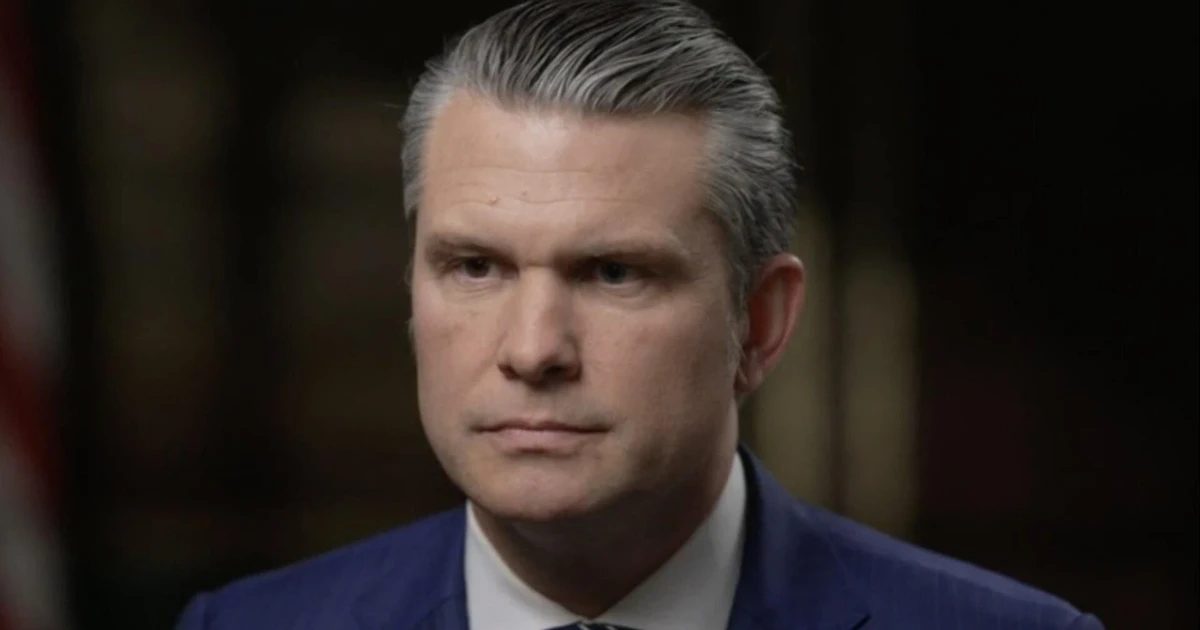
Pete Hegseth’s appearance on Face the Nation came against the backdrop of Qatari mediators traveling to Tehran to finalize the truce in the U.S.-Iran war, giving the Sunday broadcast an immediate national-security edge. The 45:48 program paired the defense secretary with Democratic Sens. Mark Warner of Virginia and Mark Kelly of Arizona, then widened into tariffs and inflation with former National Economic Council Director Gary Cohn.
The guest list made the show feel less like a standard political roundtable than a snapshot of the administration’s most sensitive pressure points. Hegseth represented the Pentagon view of a war still demanding diplomatic cleanup, while the Senate interviews pulled the conversation toward the domestic consequences of conflict, intelligence, and election security.
CBS said Kelly’s segment focused on a munitions issue tied to the Iran war and on Chinese shipbuilding, a combination that connected battlefield logistics to the industrial base behind American power. That framing put the Arizona senator at the center of a longer-running argument in Washington about whether the United States can replenish weapons fast enough and compete with China’s maritime capacity over the long term.
Warner’s interview, meanwhile, was built around Bill Pulte and election-security concerns, keeping the program anchored in the intelligence and democracy debates that have shaped his oversight work. His segment underscored how foreign conflict and domestic information security are now increasingly treated as linked threats, not separate policy lanes.
Cohn’s appearance brought the economic dimension into focus. CBS tied his segment to tariffs and inflation, a reminder that trade policy remains politically combustible even as the White House absorbs security shocks abroad. On a day when war, shipbuilding, and election security all sat on the same guest list, the inflation fight was never far from the national-security debate.
The structure of the episode made that convergence unmistakable. The Sheffield Press described the lineup as a preview of coming fights over national security, intelligence, trade, inflation, and election security, and the broadcast bore that out by moving from the Iran truce to Chinese industrial competition and then to tariff politics in a single hour-long block. CBS updated the June 14 transcript pages the same day, cementing the episode as a compact summary of the administration’s defense, intelligence, and foreign-policy posture at a moment when those issues were spilling directly into domestic economic debate.