Business
Iran war threatens global growth as oil chokepoints close
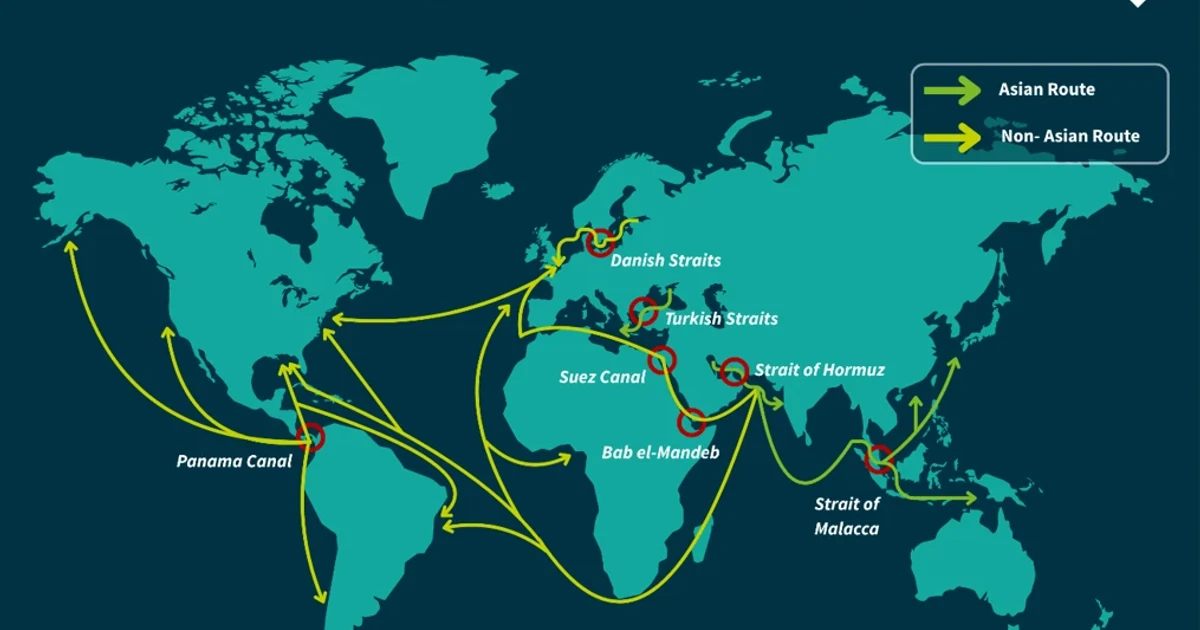
The shutdown of the Strait of Hormuz has turned a regional war into a test of how fragile global trade routes have become. With oil and gas flows squeezed through the Gulf and renewed disruptions in the Suez corridor, the conflict has moved from the battlefield into energy bills, shipping costs and growth forecasts from Washington to Beijing.
The fighting began on February 28, 2026, when the U.S. and Israel launched strikes on Iran. Iran ed with missiles and drones against Israel and against U.S. military bases in Bahrain, Kuwait, Qatar, the United Arab Emirates and Saudi Arabia, widening the shock beyond the immediate war zone. The Strait of Hormuz, a critical passage for global energy exports, was effectively closed for months, creating a dual chokepoint crisis that economists say is already altering how governments and companies plan for supply security.
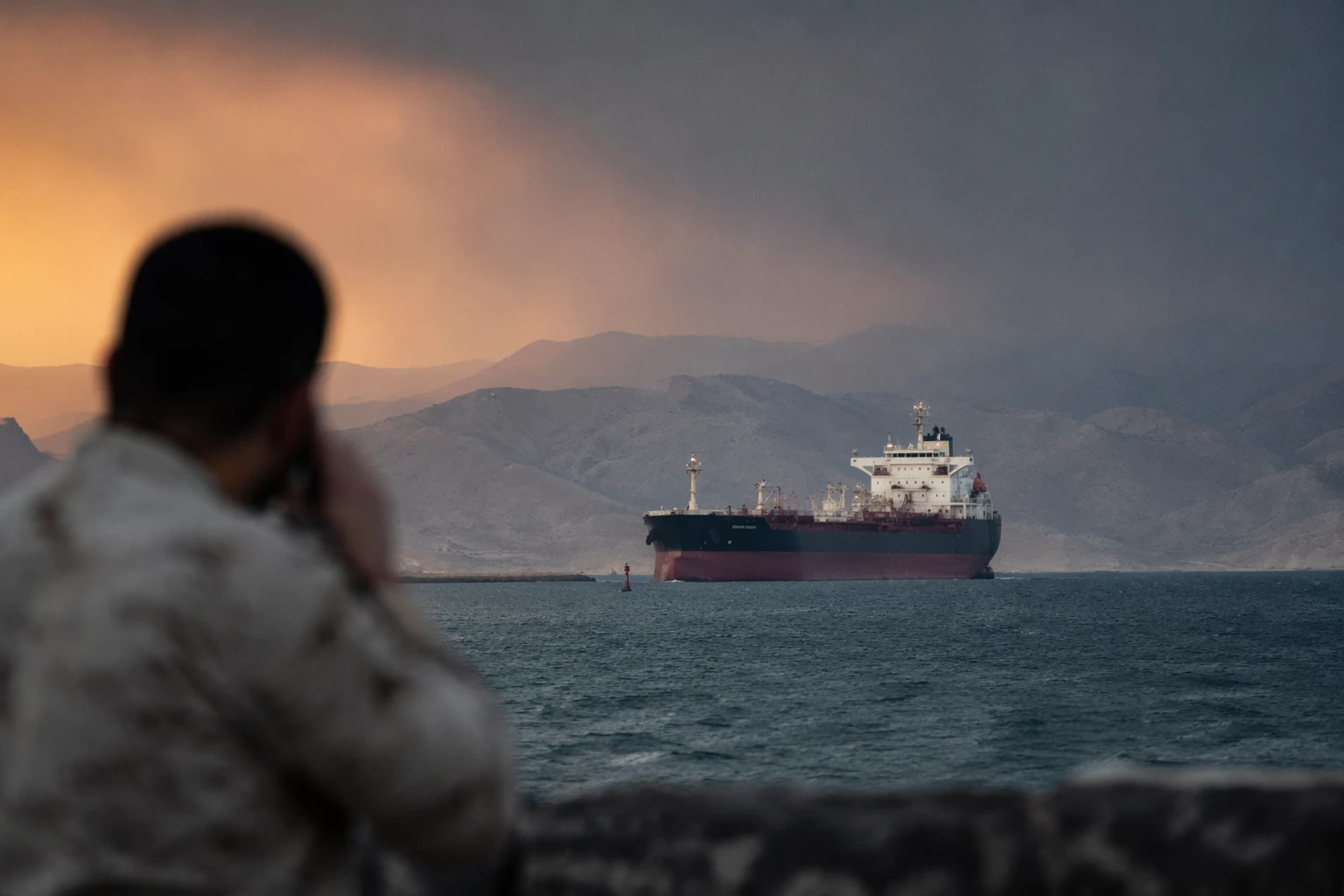
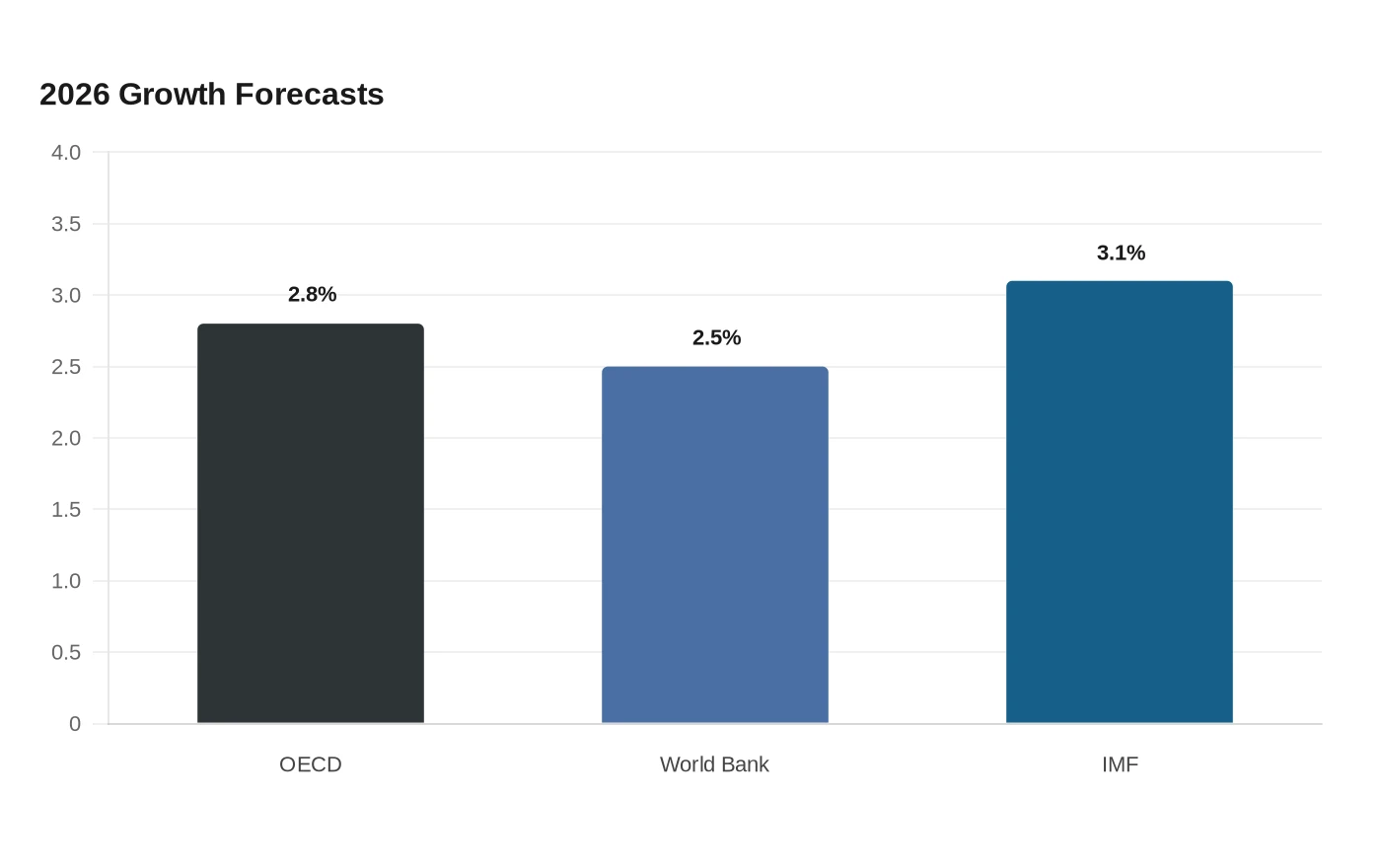
The hardest evidence is now showing up in the numbers. On June 3, the OECD said global growth could slow to 2.8% in 2026 if Gulf oil and gas exports return to pre-conflict levels in the third quarter. It warned that a longer disruption could push growth down to 1.8%. The World Bank went further, cutting its 2026 global growth forecast to 2.5% from 2.9% in 2025 and saying output could fall to 1.3% if the conflict escalates and energy disruptions worsen. The bank said the war is expected to slow global growth to the lowest rate since the COVID-19 pandemic, as higher energy prices, steeper inflation and increased borrowing costs spread through the world economy.
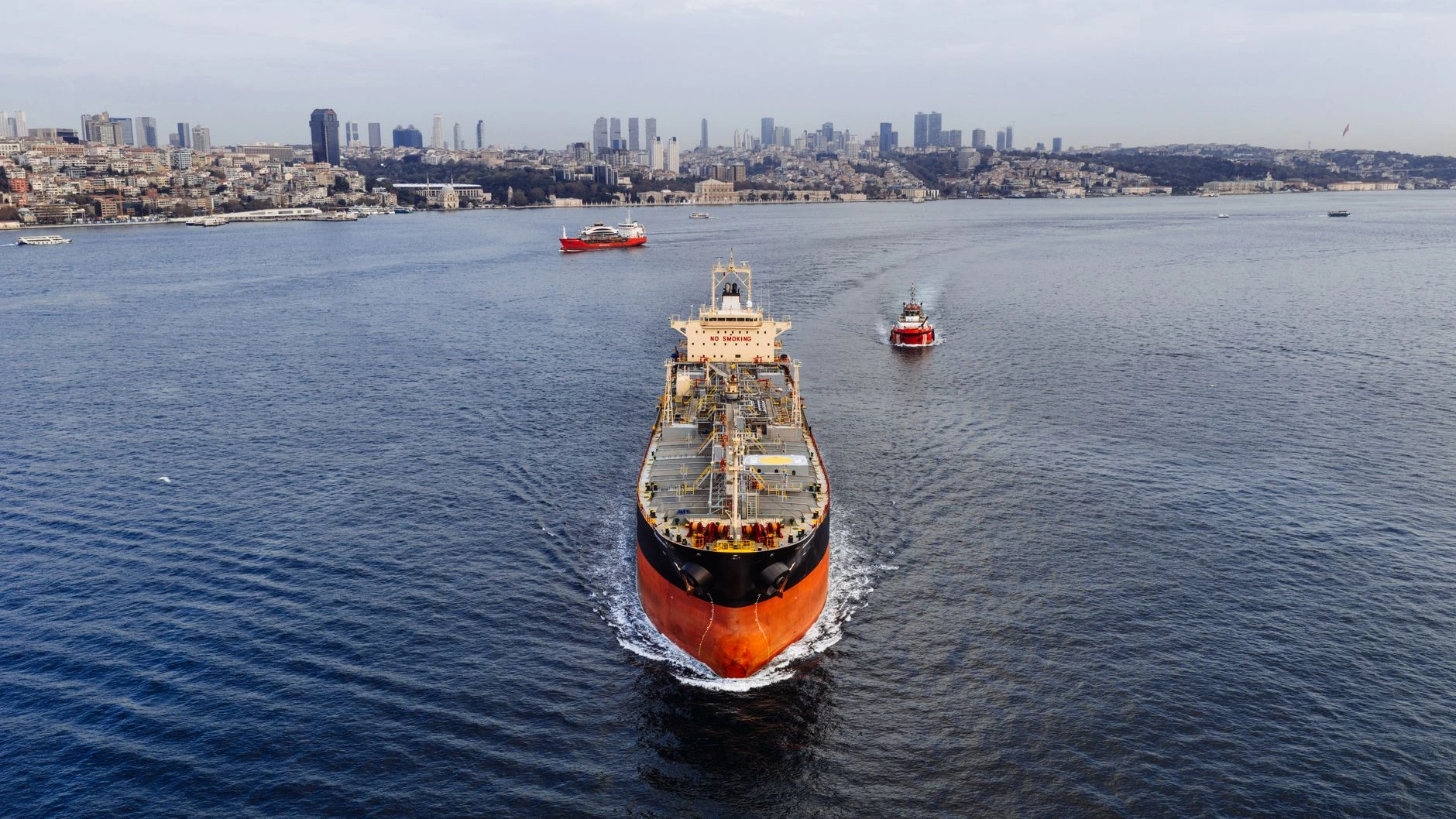
The IMF had already sketched the price of a shorter shock in April. Even a conflict that fades quickly, paired with a 19% jump in energy commodity prices, would still leave global growth at 3.1% in 2026 and inflation at 4.4%. Those projections capture the first durable shift now visible in markets: energy routes are no longer just a geopolitical issue, but a central macroeconomic constraint.
The second shift is defense spending. Iran’s strikes on U.S. sites across Bahrain, Kuwait, Qatar, the United Arab Emirates and Saudi Arabia have reinforced pressure on Washington and allied governments to harden regional posture and protect shipping lanes. The third shift is supply-chain re-risking. Businesses are already confronting higher shipping costs, weaker travel demand and softer confidence, while governments are being forced to plan around longer, more expensive routes.
That strain has reached real economies. The United Kingdom’s economy shrank 0.1% in April 2026 as higher energy bills, shipping lines, travel demand and business confidence began to deteriorate. Oil prices fell about 3% to a seven-week low after ceasefire developments, then rebounded as the peace framework looked thin and supply through Hormuz appeared slower to resume than expected. The pattern is familiar now: relief rallies fade fast when the route itself remains uncertain.
Sources
- [1]nytimes.com
- [2]worldbank.org
- [3]msn.com
- [4]oecd.org
- [5]imf.org
- [6]thesheffieldpress.com
- [7]thomsonreuters.com