World
Israel and Hezbollah renew ceasefire as Lebanon fighting disrupts talks
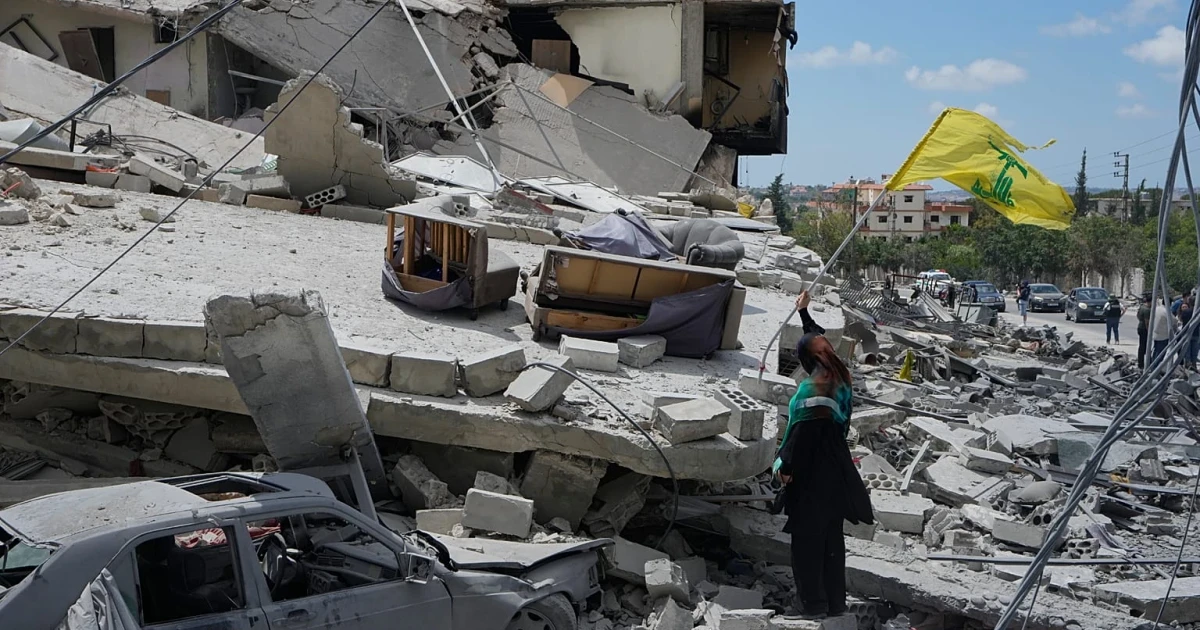
The Lebanon ceasefire mattered less as a diplomatic breakthrough than as a test of whether Washington could keep a wider regional crisis from spilling into its talks with Iran. A U.S. official said the renewed truce between Israel and Hezbollah took effect at 4 p.m. local time on Friday, June 19, but fighting was still reported minutes later, underscoring how quickly the arrangement could unravel.
The latest escalation was severe. Four Israeli soldiers were killed in southern Lebanon, while the Lebanese health ministry said at least 47 people were killed in Lebanon since midnight. Israel said it struck more than 80 targets across southern and eastern Lebanon, a broad wave of attacks that showed neither side was yet treating the ceasefire as fully settled. A Reuters journalist in northern Israel saw airstrikes continuing inside Lebanon at about 4:50 p.m. local time, nearly an hour after the ceasefire was supposed to begin.
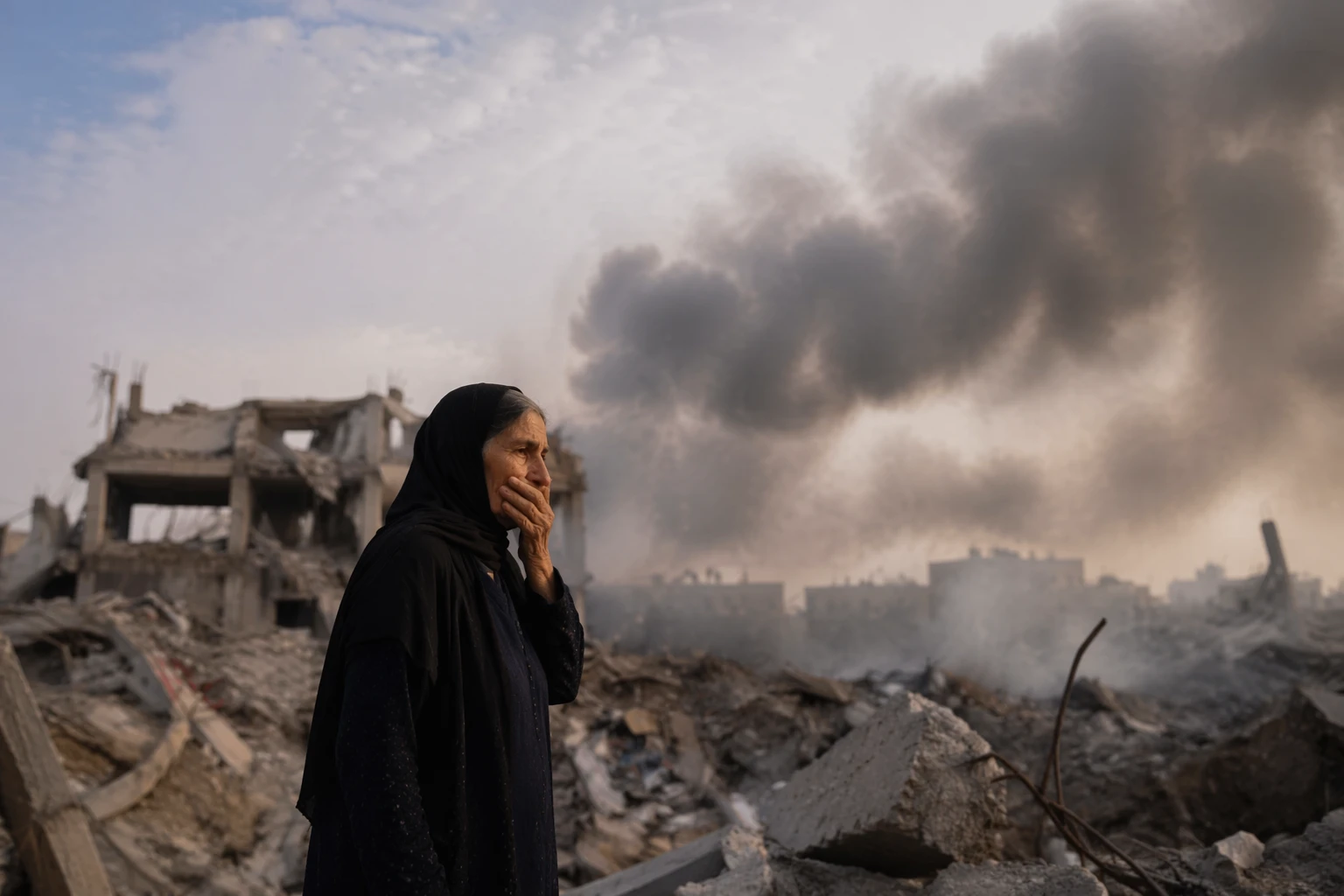
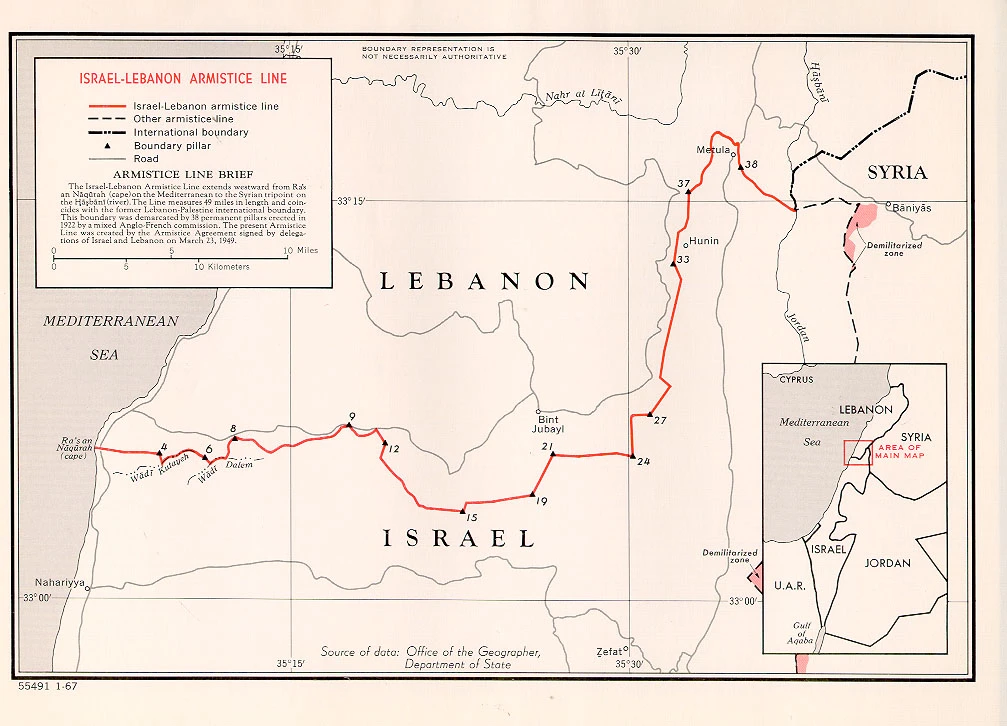
The truce’s fragility is tied to one unresolved issue: Israel had not fully withdrawn from a buffer zone in southern Lebanon. Hezbollah has used that continued presence to justify further attacks, and the group had already rejected an earlier ceasefire understanding on June 4, demanding a complete Israeli withdrawal from Lebanon. That demand left the terms of any halt to the fighting politically contested long before the latest round of strikes.
The timing raised the stakes well beyond Lebanon. Talks between the United States and Iran were expected to continue in Switzerland, but the flare-up in southern Lebanon forced those discussions to be postponed or called off. That made the ceasefire a larger diplomatic instrument, not just a battlefield pause. If the truce falters in the next few days, the most immediate casualty could be the U.S.-Iran channel Washington has been trying to preserve.
Foreign governments also moved to contain the damage. France urged restraint, and French foreign minister Jean-Noel Barrot called on the United States to pressure Israel to stop hostilities in Lebanon. For now, the ceasefire exists on paper and in tense, partial practice. Its survival depends on whether Israel pulls back further, Hezbollah holds fire, and neither side chooses to test the other before the region’s bigger talks can resume.