Politics
Lindsey Graham dies suddenly, Senate seat opens in South Carolina

Lindsey Graham, the four-term Republican senator from South Carolina who moved between establishment GOP circles, national-security hawks and Donald Trump’s orbit, died Saturday at 71 after what his office described as a “brief and sudden illness.” His family asked for privacy, and his death immediately opened a Senate vacancy in South Carolina.
Graham had served in the U.S. Senate since 2002 and became one of the chamber’s most recognizable foreign-policy hawks before later emerging as one of Trump’s closest congressional allies. That combination made him a familiar and often decisive presence in Washington, where colleagues saw him as someone who could speak to both the old Senate guard and the newer Trump era without losing credibility in either camp.
The political implications were immediate in South Carolina, where Graham’s death created an open Senate seat and set off questions about succession, party control and the shape of the Republican field that will follow. His office said he died after a sudden decline, and reports said he had just returned from a trip to Ukraine before his death, underscoring how closely his final days were tied to the national-security issues that defined much of his career.
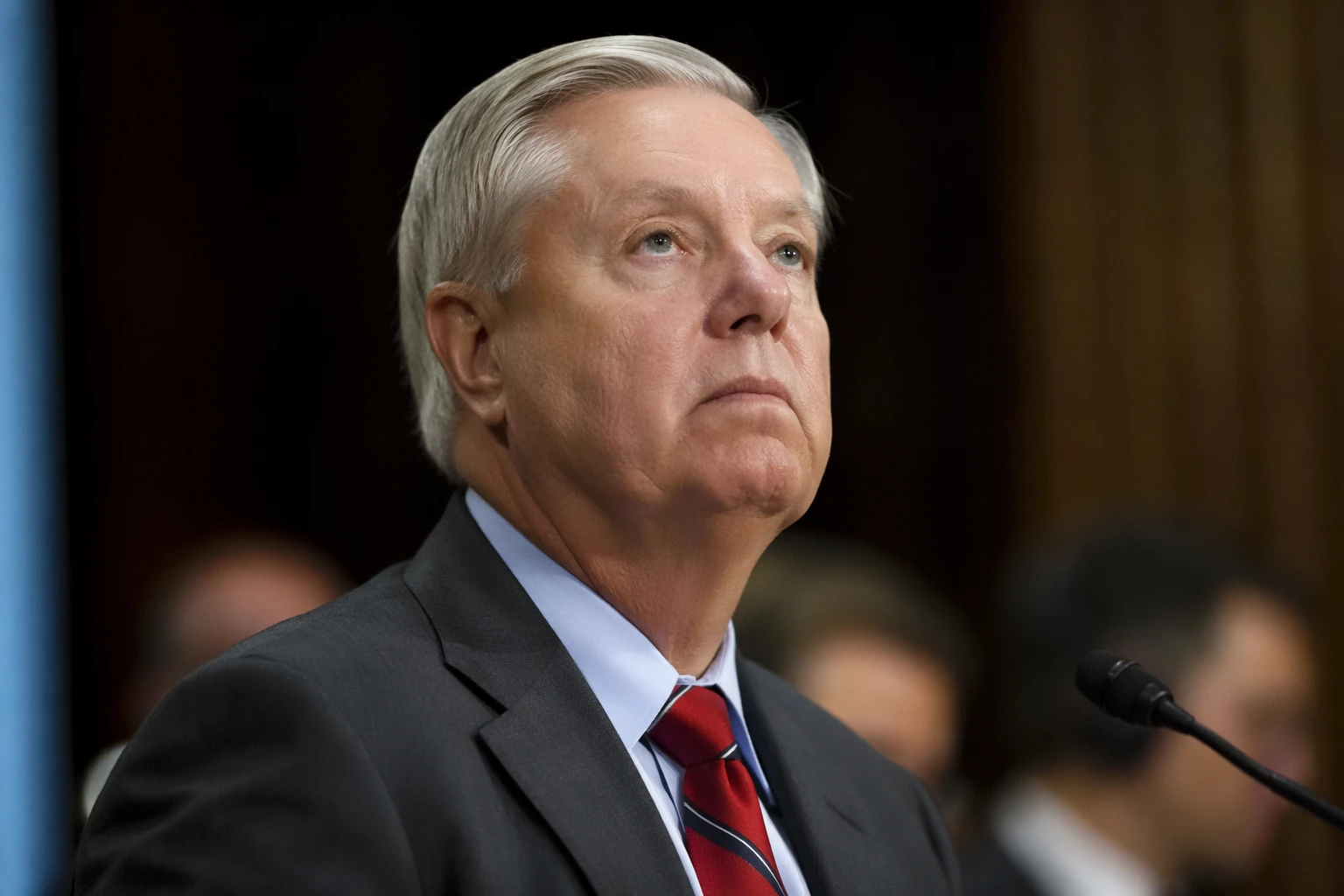
Tributes from American and foreign leaders began pouring in on Sunday after his death was announced. In Washington, the reaction reflected not just Graham’s longevity but his institutional reach, from the Senate Judiciary Committee to his role as a bridge between old-line Republican power brokers and Trump-world operatives who relied on his instincts and access.
That dual reputation came through in a remembrance with Major Garrett, where Lee Holmes, Graham’s former chief counsel and staff director for the Senate Judiciary Committee, Kevin Bishop, Graham’s former communications director, and NOTUS congressional reporter Paul Kane reflected on the senator’s place in the capital. Holmes, now a managing shareholder at Maynard Nexsen’s Washington, D.C., office, had worked inside Graham’s Senate operation when Graham chaired the Judiciary Committee. Kane has covered Congress full-time since 2000, beginning at Roll Call, joining The Washington Post in 2007 and later moving to NOTUS.

For Graham’s allies, his death removed a politician who could still navigate the Senate’s rules, its rival camps and its foreign-policy debates at once. For South Carolina Republicans, it left behind not only an open seat but also the loss of one of the state’s most durable national figures.
Sources
- [1]cbsnews.com
- [2]politico.com
- [3]cnbc.com
- [4]maynardnexsen.com
- [5]notus.org
- [6]thesheffieldpress.com