Entertainment
Madonna returns with Confessions II, a dancefloor sequel after seven years
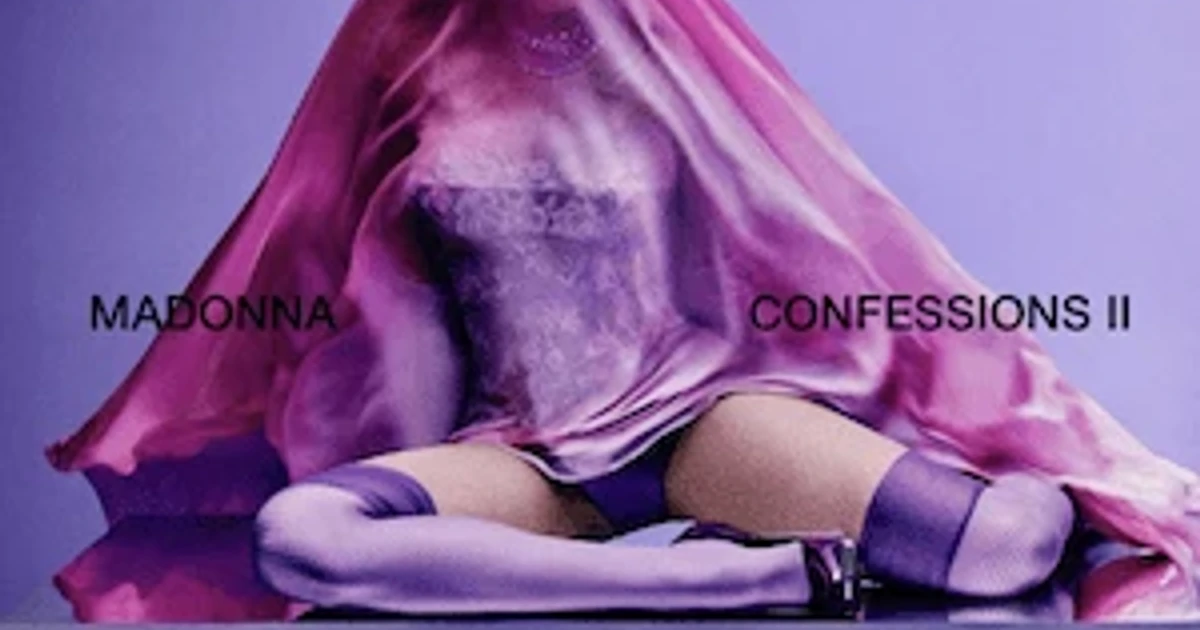
Madonna released Confessions II today through Warner Records, ending a seven-year gap since Madame X and returning to the label she rejoined in September 2025. The album is positioned as a sequel to 2005’s Confessions on a Dance Floor, and it arrives with the same insistence on the club as both subject and method.
Stuart Price produced the record and helped shape its core idea, one Madonna cast as a spiritual relationship to movement rather than a simple pop comeback. The 64-minute album plays like a DJ set, with tracks flowing into one another instead of stopping for clean resets. Its references are wide-ranging, but the spine is still Madonna’s own history on the floor: the original Confessions produced “Hung Up,” “Sorry,” “Get Together” and “Jump,” and the new project returns to that template with fresh collaborators including Andrew Watt, Cirkut, Mirwais, Arca, Triangle Park, Parisi, Stromae, Feid, Tainy and Sabrina Carpenter. Madonna and Carpenter debuted “Bring My Love” at Coachella in April, and the new album also folds in a sample of Lil Louis’s “French Kiss” on “I Feel So Free.”
The rollout matched the record’s club-first logic. Madonna confirmed the project with a teaser and a statement in mid-April, then built toward a July 2 livestream from her London album release party that aired on TikTok LIVE and iHeartRadio, with Bob the Drag Queen, Stuart Price and Lola Leon in the broadcast. The stream reached more than 200 iHeartRadio stations, while TikTok also staged House of Confessions pop-ups in New York and London. A BBC special taped at KOKO in Camden on June 26 tied the new era back to Madonna’s first-ever UK show there in 1983 and to the launch of Confessions on a Dance Floor in 2005.
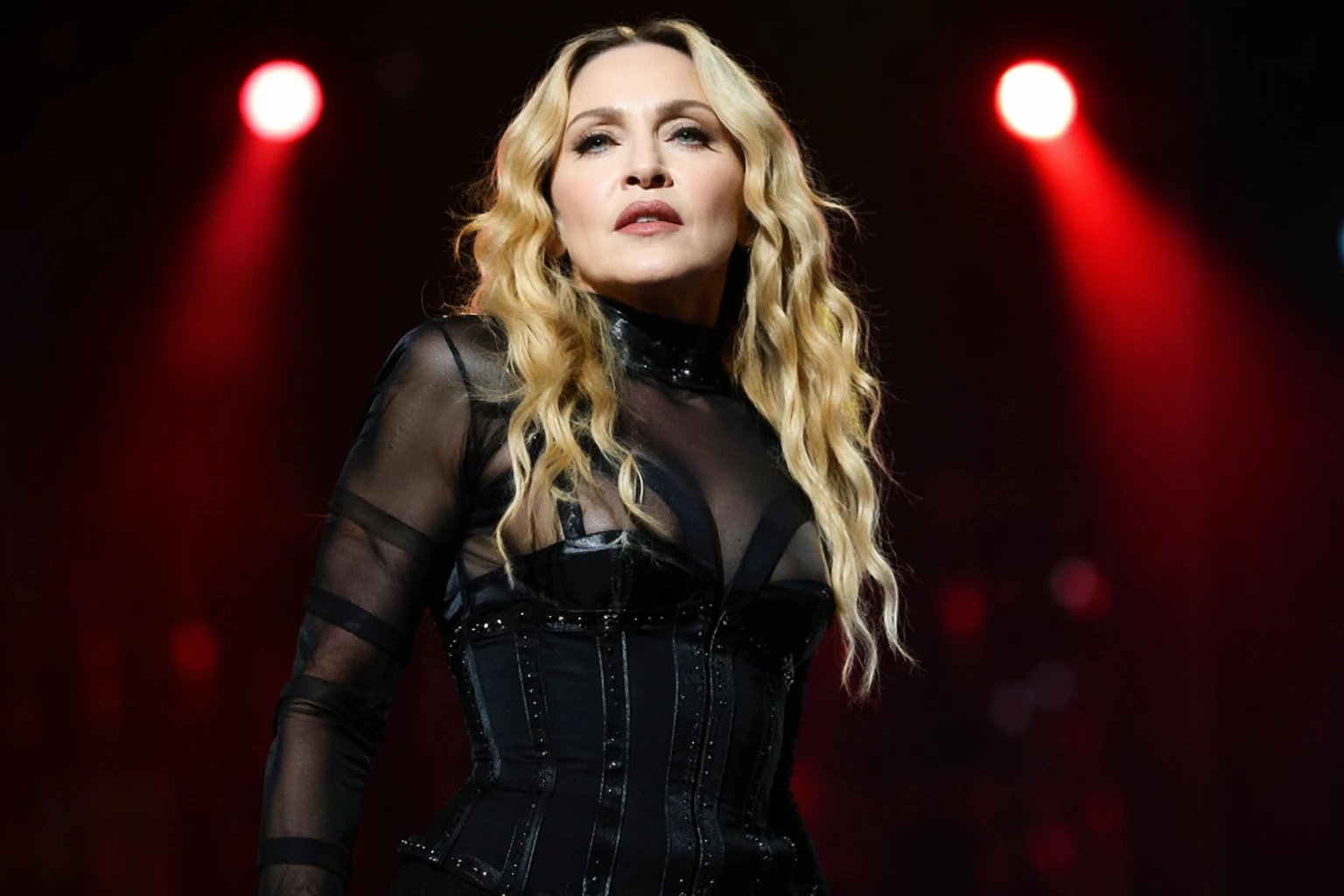
The commercial backdrop matters. Madonna’s 2023-24 Celebration Tour grossed more than $225 million across 81 concerts, giving the new album a platform few legacy pop acts can match on their own terms. Confessions II takes that leverage and points it back at the dance floor, using a continuous 64-minute structure in an era that often rewards singles, skips and playlist fragments. The release turns longevity into a working strategy rather than a retrospective one.