Entertainment
Sheffield’s newspapers trace city history from 18th century to today
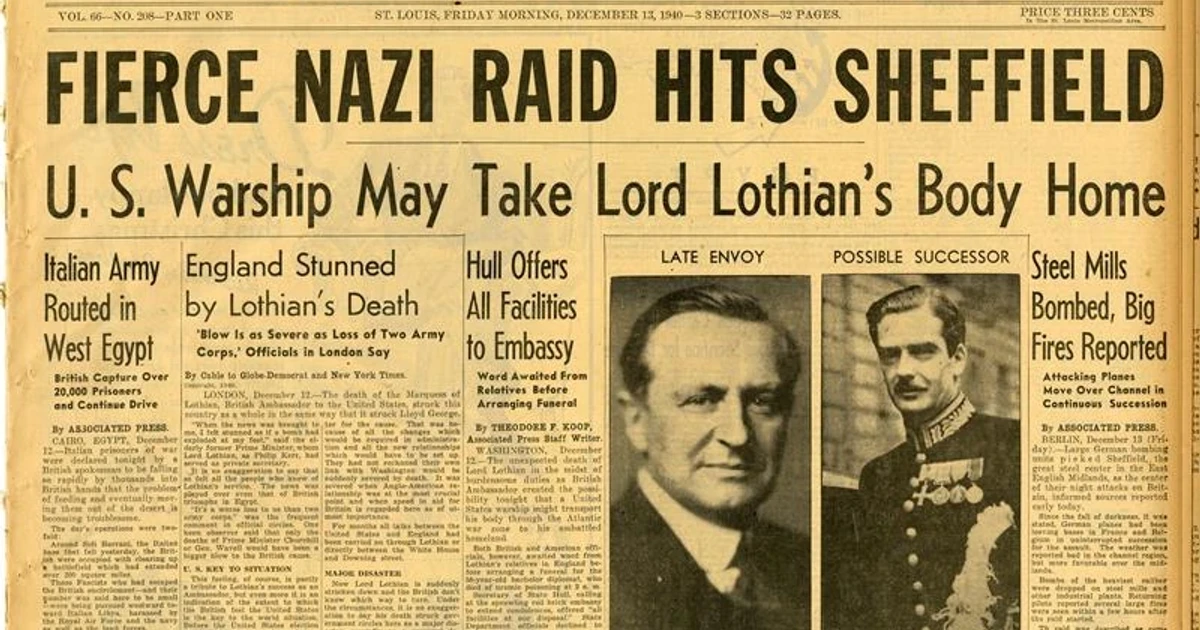
Sheffield’s press history is more than a stack of old mastheads. It is a civic record that runs from the Sheffield Public Advertiser in the 1760s, 1780s and 1790s to twentieth-century papers that carried the city’s news into 1950 and beyond, with 65,127 Sheffield issues now surfacing in the British Newspaper Archive.
From weekly sheets to a city record
Sheffield’s earliest newspapers were shaped by taxes as much as by news. A Sheffield City Council guide notes that stamp duty and other taxes helped keep many early papers short and weekly, with limited room for local reporting and a stronger focus on political, legal, business and international material. That structure mattered: it meant the city’s first newspapers were not simply chronicles of parish events, but windows onto how Sheffield connected to the wider world.
The Sheffield Press has framed that long record as part of the city’s memory, not just its media industry. Its own account traces local newspaper coverage across more than two centuries, starting with the Sheffield Public Advertiser and running through later papers that documented Sheffield well into the mid-20th century. In practical terms, that history now sits within a searchable digital landscape rather than only in library stacks.
The archive that turned paper into a public resource
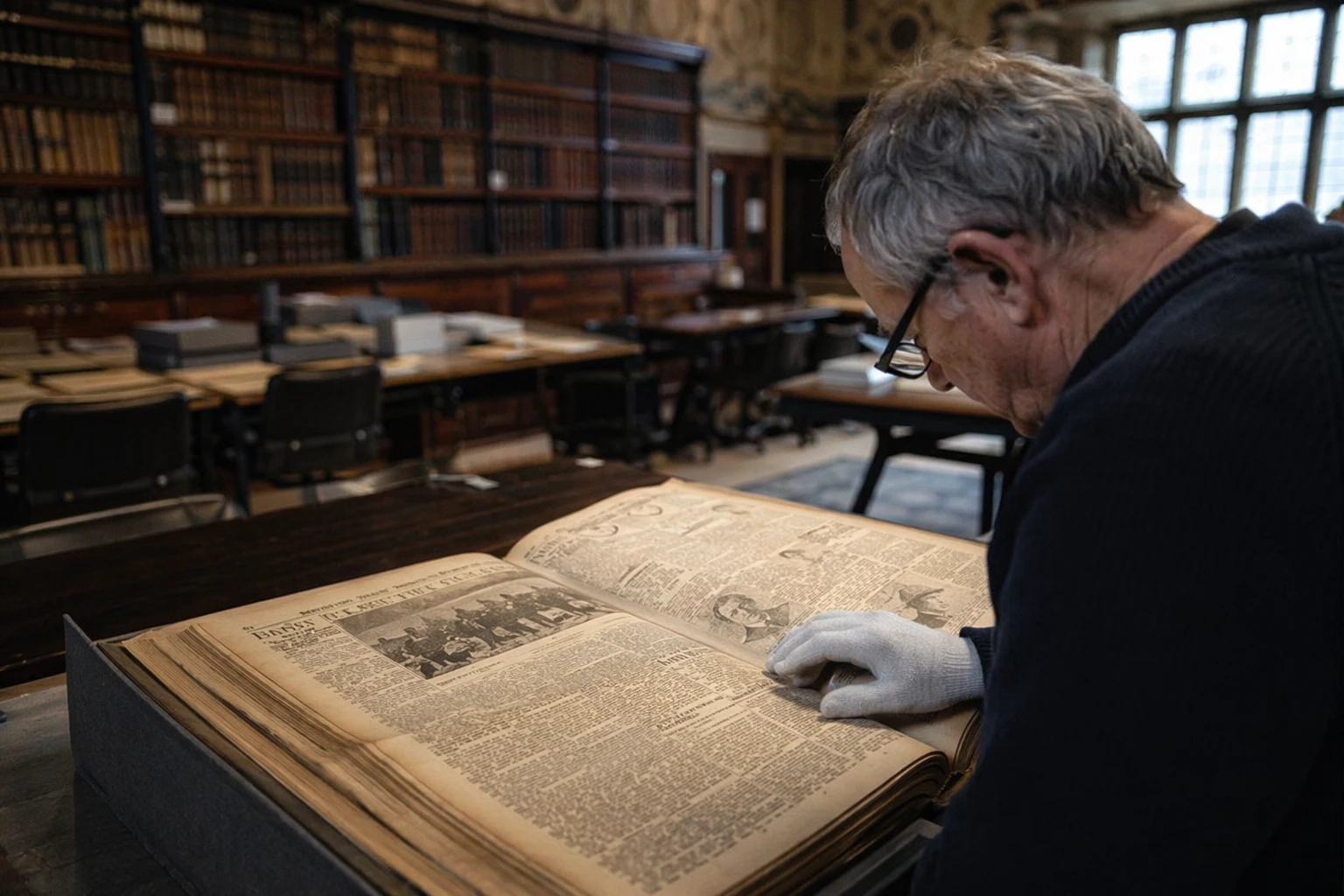
The British Newspaper Archive describes itself as a large online archive of historical newspapers from Britain and Ireland, and Sheffield is one of the places where its scale becomes obvious. The Sheffield Press says search results for the city surface 65,127 issues, a number that hints at how deeply the city has been printed, reprinted and preserved. For researchers, that means Sheffield’s past is not locked away in a single repository; it can be examined from home, across titles and decades.
That digital access changes what local history can do. Instead of a few famous front pages, readers can trace patterns: the rise of daily journalism, the shift from brief weekly sheets to fuller coverage, and the way Sheffield news began to move in step with national events. The archive also shows how local newspapers served as both mirror and megaphone, carrying civic life outward while importing the forces that shaped it.
When Sheffield papers met the wider world
The city’s newspapers were never confined to the city’s boundaries. Sheffield City Council’s guide points to the Sheffield Register’s coverage of the French Revolution in July 1789, a reminder that Sheffield readers were being drawn into European upheaval through local print. The same guide says the Iris reported Queen Victoria’s accession in 1837, marking another moment when a Sheffield paper translated national change for a local audience.
Those examples show why the city’s press record matters now. The papers did not just log births, elections or accidents; they introduced global and national turning points into ordinary households. In that sense, Sheffield journalism helped build political awareness at a time when news access was uneven, expensive and tightly regulated.
The move to daily news
The modern shape of Sheffield’s newspaper market emerged with the arrival of daily publication. The Sheffield Telegraph was founded in 1855 as the Sheffield Daily Telegraph, and it was the city’s first daily newspaper. That shift mattered because it changed the tempo of local reporting, making Sheffield less dependent on weekly summaries and more able to follow events as they unfolded.
The Star remains a daily newspaper published in Sheffield, carrying that tradition into the present. Together, the Telegraph and The Star represent the continuity of a city that moved from infrequent print to a daily rhythm, while the archive behind them captures the longer arc that made that change possible. Sheffield Newspapers Ltd, later linked to National World, sits within that modern media lineage, showing how ownership and publishing structures have evolved even as the city’s appetite for local news has endured.
Hillsborough and the burden of memory
Sheffield’s newspaper history also includes one of the city’s deepest wounds. The Hillsborough disaster took place at Hillsborough Stadium in Sheffield in 1989, where 97 people died and 766 were injured. That is not just a football tragedy in the city’s timeline; it is a media story with lasting consequences for how newspapers are trusted, challenged and remembered.
Later coverage of the disaster left a lasting impact on public trust in newspapers, and that legacy still shapes how readers approach press accounts of grief, blame and official failure. In Sheffield, the paper trail is inseparable from the question of who gets to tell the truth, whose voices are amplified, and how institutions respond when reporting harms instead of helps. The city’s archive preserves not only the growth of local journalism, but also the consequences when journalism falls short.
Why this history still matters
Sheffield’s newspapers show how a local press can become a public memory bank. The city’s print history stretches from the Sheffield Public Advertiser to twentieth-century papers, from weekly sheets constrained by tax to daily titles that covered both city life and world events, and from the early modern record to the digital archive that now holds tens of thousands of Sheffield issues. That continuity gives Sheffield something rare: a visible record of how news, power and community have changed together.
The result is not just nostalgia for old headlines. It is a working archive of civic life, one that captures the city’s ambitions, its political education, its daily routines and its deepest losses. In Sheffield, the press has been both witness and participant, and the record it left behind still shapes how the city understands itself.