Politics
Starmer faces Labour leadership pressure after Burnham wins Makerfield by-election
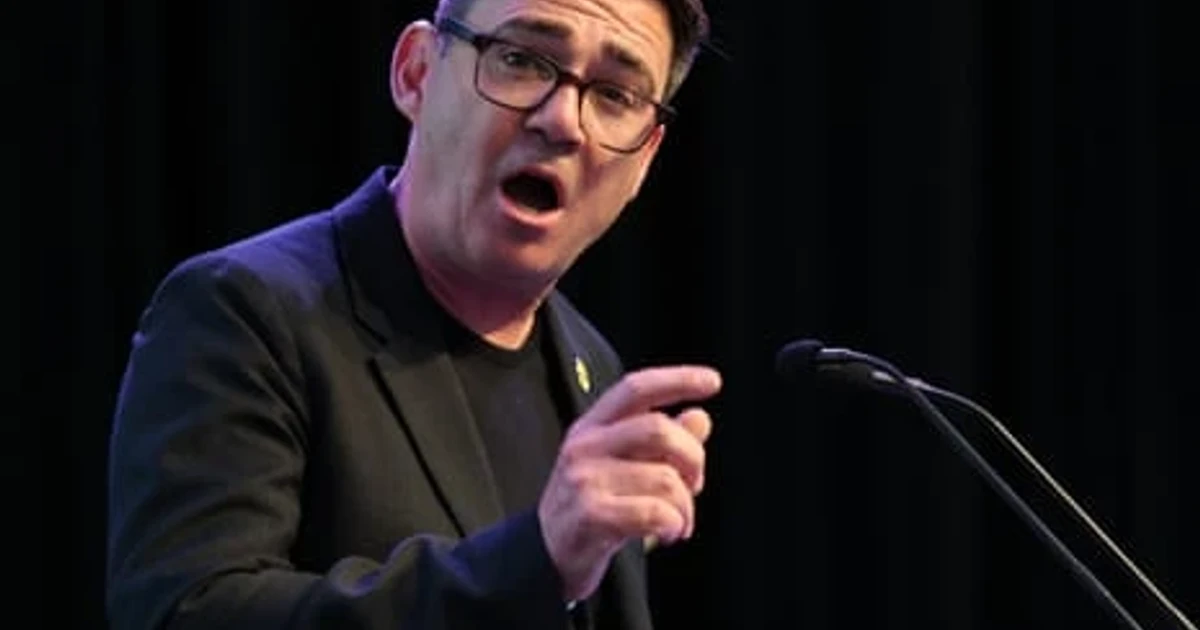
Keir Starmer’s hold on Labour was thrown into sharper relief by a rule that could turn anger in Westminster into a formal challenge: 81 MPs, 20% of the Parliamentary Labour Party, would have to back a contest before it could begin. Andy Burnham’s return to Westminster after his Makerfield by-election victory gave that pressure a focal point, and the uncertainty now hangs over Labour’s ability to govern, steady markets and contain the opposition.
Burnham defeated Reform UK’s Robert Kenyon by 9,231 votes, taking almost 55% of the 45,510 votes cast. Labour’s vote share in Makerfield rose by 9.61% compared with 2024, a result that strengthened the sense among Starmer’s critics that his leadership has weakened even as the party holds power.
The strain inside Labour has been building for months. More than 80 Labour MPs publicly called on Starmer to resign or set out when he would leave after the party’s heavy losses in the May 2026 local elections, and four junior ministers resigned on May 12 in protest at his leadership. More than 100 Labour lawmakers were also said to want him to go or at least commit to a timetable for departure, underscoring how far the unrest has spread beyond one faction or one issue.
Starmer, who entered Downing Street in July 2024 after Labour’s landslide general election victory, has seen his authority erode amid scandals, policy U-turns, weak polling and frustration over economic growth, public services and the cost of living. He said on Friday, June 19, that he would fight any leadership challenge. But by Sunday and Monday, the pressure had intensified, with reports saying he was expected to set out a timetable for departure as soon as Monday.
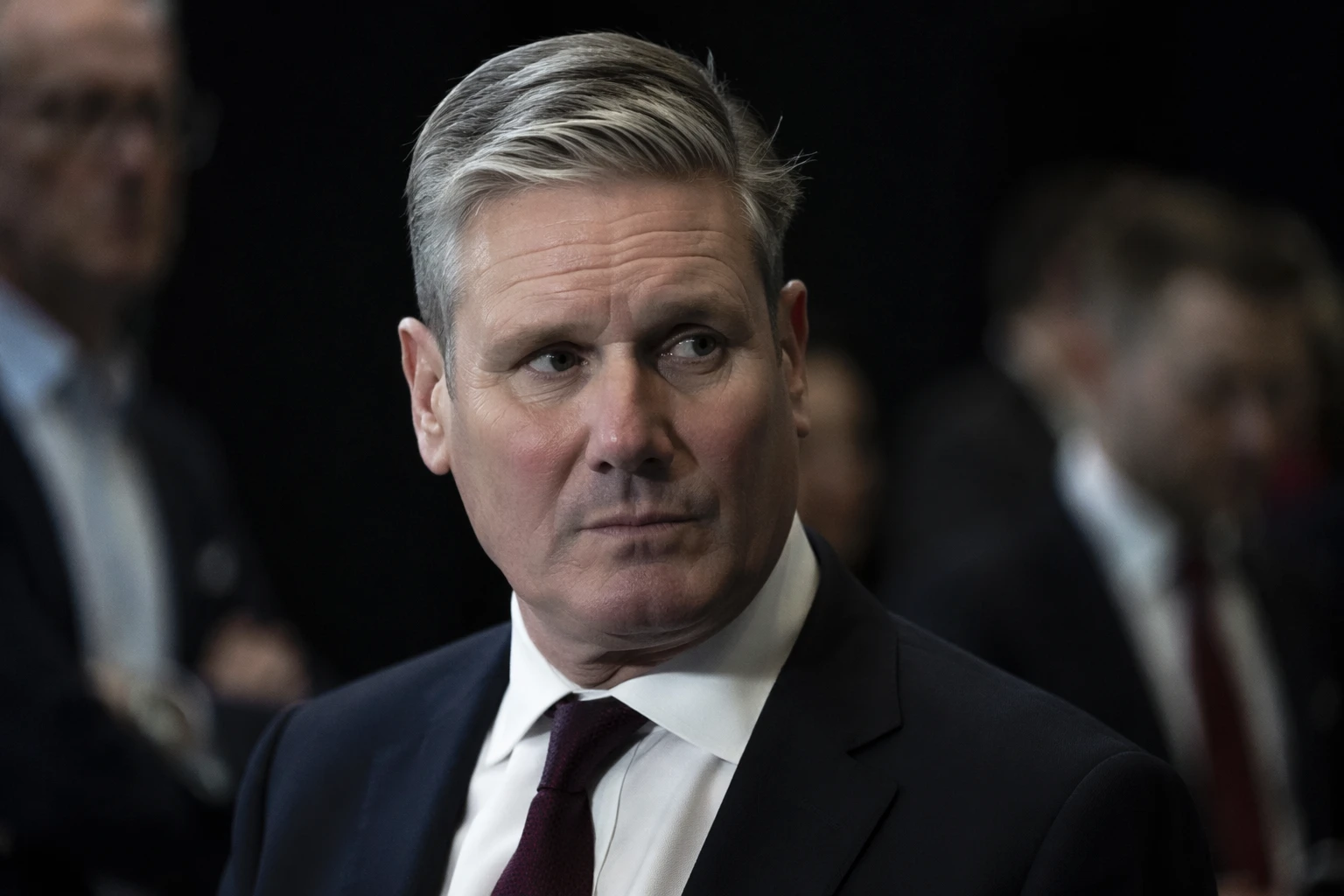
Downing Street publicly dismissed resignation talk as speculation, while Business Secretary Peter Kyle said Starmer was “making time to reflect on the political realities, challenges and opportunities” he faces. Starmer spent the weekend at Chequers with Victoria Starmer and his family as the party’s internal battle sharpened.
If a contest is forced, Burnham or another challenger such as former health secretary Wes Streeting would still need the backing of 81 MPs before the National Executive Committee could set the timetable. If Starmer were pushed out, Britain would be heading toward its seventh prime minister in just over a decade, a sign of instability that would reverberate well beyond Labour’s factions and into the country’s economic and political outlook.
Sources
- [1]nytimes.com
- [2]thesheffieldpress.com
- [3]abcnews.com
- [4]rte.ie
- [5]cbsnews.com
- [6]cnbc.com
- [7]politico.eu