Politics
Supreme Court blocks Trump bid to end birthright citizenship
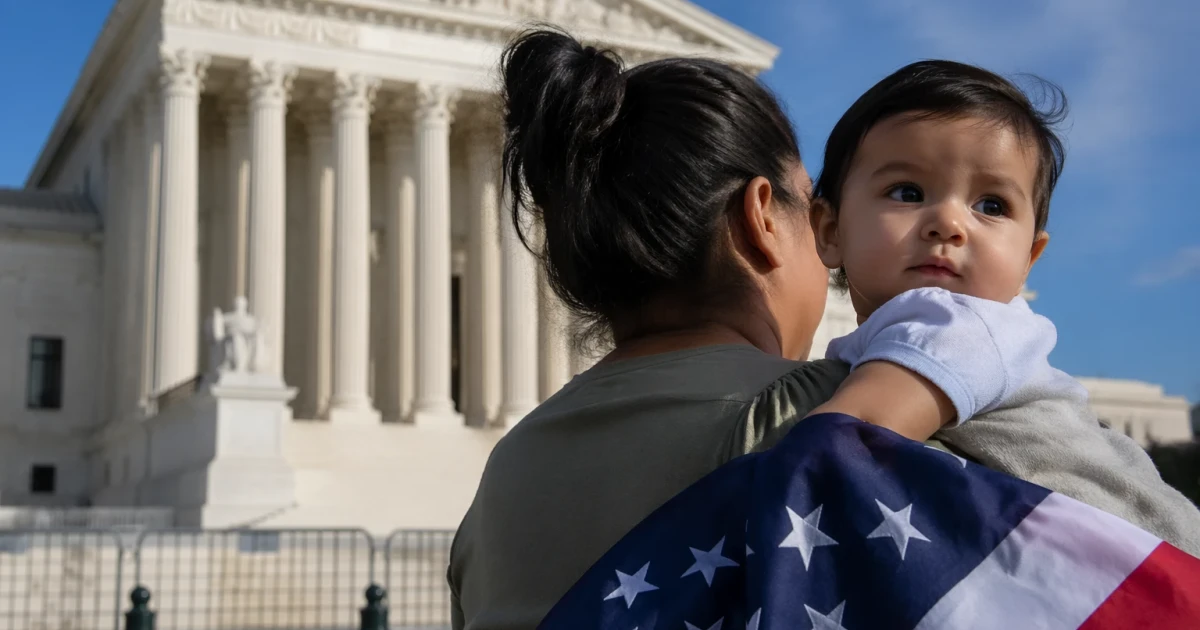
The Supreme Court blocked Donald Trump’s bid to end automatic birthright citizenship, ruling that children born in the United States to parents who are unlawfully present or here only temporarily are citizens at birth under the 14th Amendment. Chief Justice John Roberts wrote the majority opinion in the 6-3 decision.
Trump signed the executive order on January 20, 2025, but it never took effect because lower courts stopped enforcement while the case moved forward. The litigation returned to the justices only after the Court limited universal injunctions in Trump v. CASA, a ruling that forced the merits fight back into lower courts until a federal judge in New Hampshire issued a class-based injunction covering babies born after February 20, 2025. The constitutional dispute centered on the Citizenship Clause of the 14th Amendment, adopted in 1868, and on whether the Trump administration could narrow citizenship through executive action rather than legislation or constitutional amendment.
The order would have affected tens of thousands of babies born in the United States each month if it had survived judicial review, and the months of litigation had already unsettled immigrant families who were rethinking school forms, attendance, and the security of their U.S.-born children. The case also drew 18 amicus briefs supporting the Trump administration, reflecting how intensely the fight over “birth tourism” had taken hold before the justices ruled.
Justice Samuel Alito called the decision “a serious mistake” in dissent and said it was one of the most important rulings in the Court’s history. He argued that the amendment grants citizenship only to children who, at birth, owe allegiance solely to the United States, and he referred to “birth tourists” in underscoring his view of the case. Justice Brett Kavanaugh said in his separate dissent that the order did not violate the 14th Amendment but did conflict with a 1940 federal statute on people born in the country. Justices Clarence Thomas and Neil Gorsuch also dissented.
Trump attended oral arguments in April 2026, becoming the first sitting president ever to do so, and later said on Truth Social that the ruling was “too bad for our Country.” He added that Congress could change the law through legislation.
Sources
- [1]nytimes.com
- [2]scotusblog.com
- [3]cnbc.com
- [4]thesheffieldpress.com
- [5]thehill.com
- [6]politico.com