US News
Supreme Court limits geofence warrants in Virginia robbery case
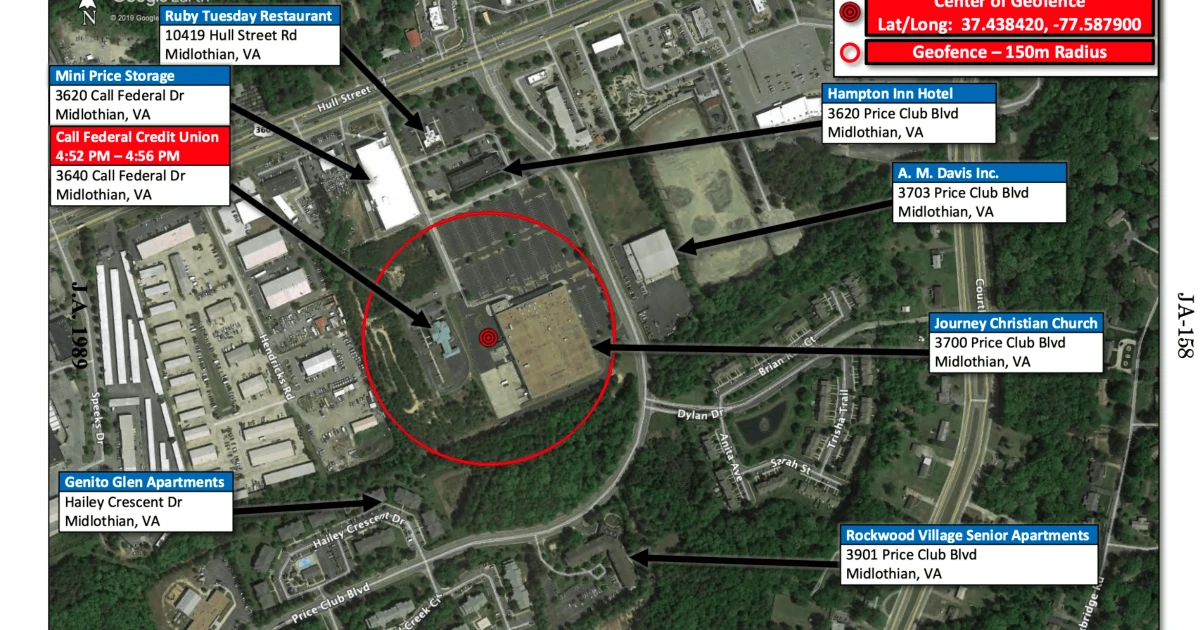
The Supreme Court limited geofence warrants in Chatrie v. United States, ruling 6-3 that the tactic can trigger the Fourth Amendment’s ban on unreasonable searches. Justice Elena Kagan wrote for the majority, and the Court sent the case back for further review instead of resolving whether the evidence tied to Okello Chatrie should stay in the case.
The case began with a May 20, 2019 robbery at the Call Federal Credit Union in Midlothian, Virginia, in the Richmond suburbs, where a gunman took nearly $200,000. Police had witness interviews and surveillance footage, but no suspect’s name, so on June 14 they turned to a geofence warrant aimed at Google’s Location History records, which log a phone’s location about every two minutes. Google’s three-step response first produced anonymized data for devices within a 150-meter radius during the 30 minutes before and after the robbery, then narrowed the list, and ultimately identified three users, including Chatrie, whose data placed him inside the geofence about ten minutes before the robbery and heading toward a residential area afterward.
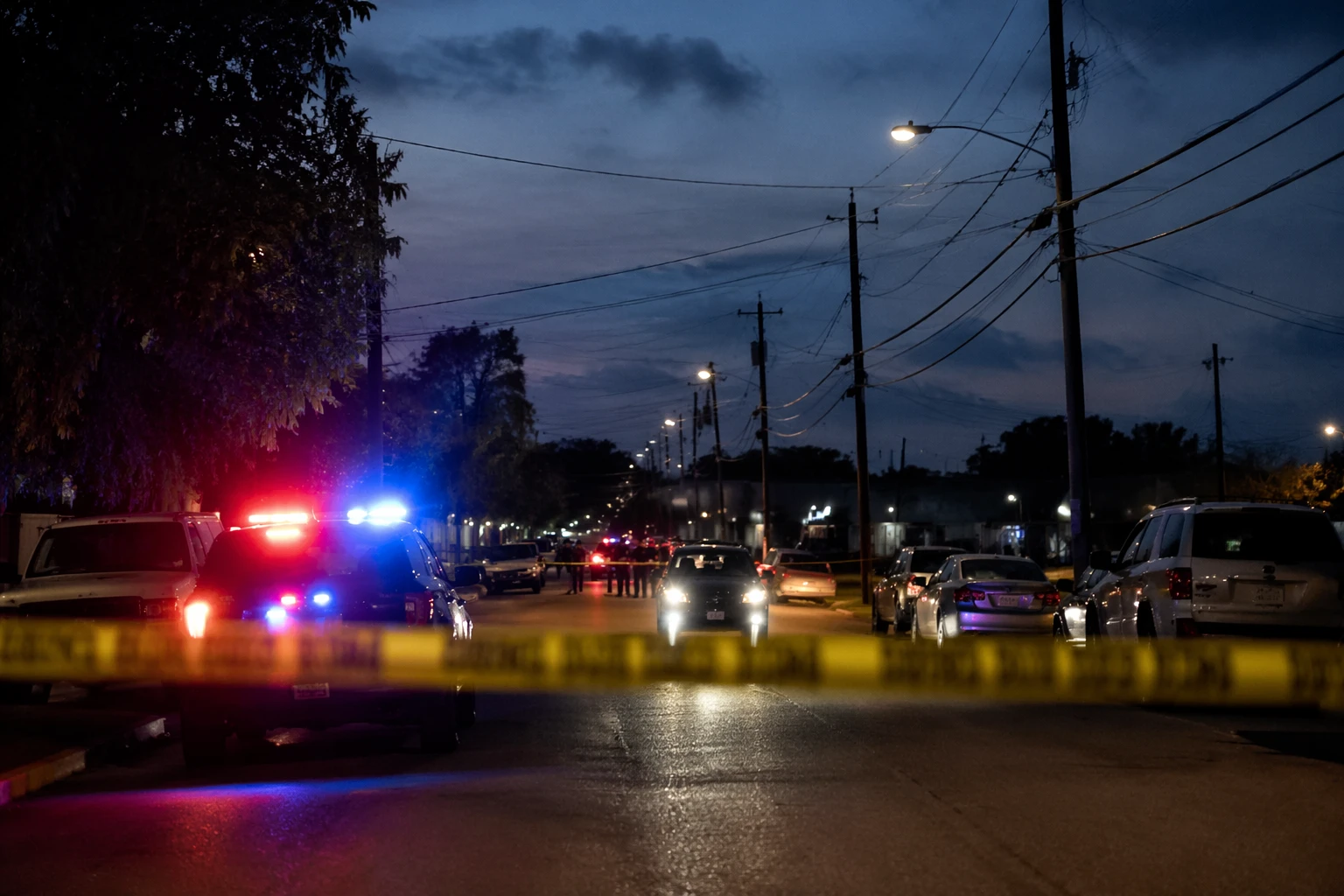
Geofence warrants work backward from a crime scene. Instead of starting with a named suspect, investigators start with a place and a time and ask a company to sift through location records to find whoever was nearby, a method that can sweep in bystanders as well as suspects. A 2025 Congressional Research Service report found geofence zones can range from feet or meters to more than an acre, and time windows can last minutes, hours, or days. Civil-liberties groups including the American Civil Liberties Union and the Electronic Frontier Foundation called the practice a modern general warrant because it can pull in people with no individualized suspicion.
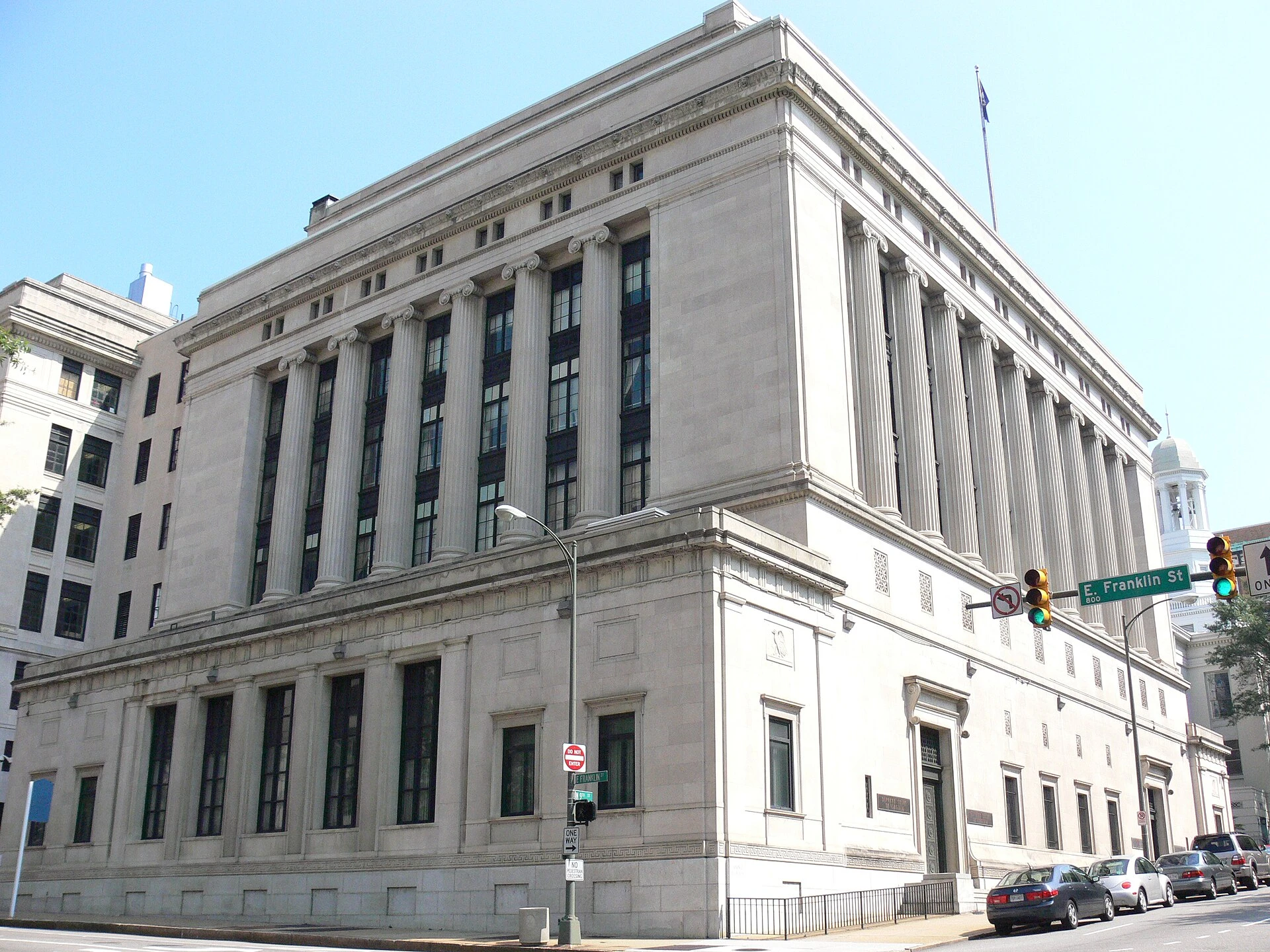
The ruling builds on Carpenter v. United States, where the Court held that obtaining 12,898 location points over 127 days was a Fourth Amendment search. In Chatrie, the district court had ruled the warrant plainly violated the Constitution but admitted the evidence under the good-faith exception. Justice Samuel Alito dissented, joined in part by Justices Clarence Thomas and Amy Coney Barrett, while Justice Neil Gorsuch concurred in the judgment.
Sources
- [1]nytimes.com
- [2]thesheffieldpress.com
- [3]scotusblog.com
- [4]abcnews.com
- [5]brookings.edu
- [6]aclu.org