Technology
Tech founders return to hands-on roles as AI wealth boom intensifies
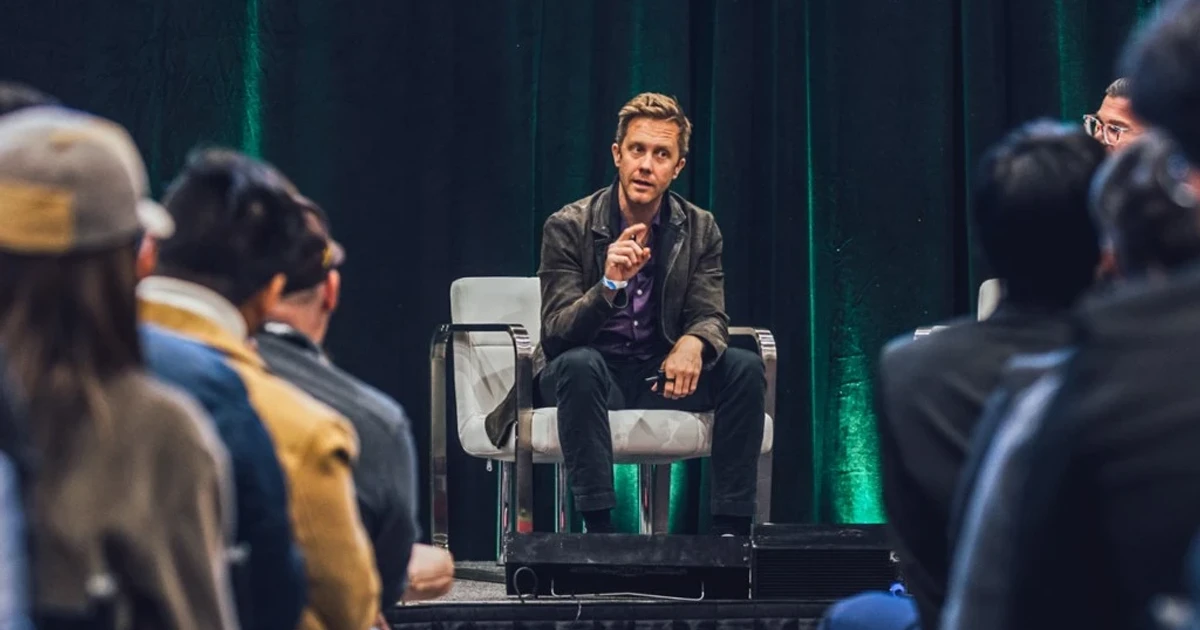
Tom Blomfield has stepped away from his Y Combinator role to join Anthropic’s compute team as a member of technical staff, a move that captures how aggressively Silicon Valley’s most established figures are returning to day-to-day building. The shift is not just about prestige or upside. It shows how AI is pulling already wealthy executives back toward the work itself, where the next wave of influence is being decided.
Blomfield is only the latest name in a growing roster. Mike Krieger joined Anthropic as chief product officer in 2024. Andrej Karpathy joined the company’s pre-training team in May 2026 and said the next few years at the frontier of LLMs will be especially formative. Peter Bailis left his CTO job at Workday in March 2026 for a role at Anthropic as well. The pattern is striking because these are not founders trying to get to the table for the first time. They are seasoned operators choosing to re-enter the hardest part of the build cycle.

Some of the returns are happening outside Anthropic. Chamath Palihapitiya, long associated with boardroom investing after leaving Facebook in 2011, took his first full-time operating role in more than a decade as CEO of 8090 Labs, an enterprise AI coding startup. The company raised a $135 million Series A led by Salesforce Ventures. Eric Wu, who led Opendoor for a decade before stepping back in 2023, launched NavigateAI, an AI copilot for construction workers, backed by $25 million in seed funding.

The money explains part of the rush. AI startups minted dozens of new billionaires in 2025, and the sector now includes 498 unicorns worth a combined $2.7 trillion, with more than 100 founded since 2023. Menlo Ventures put enterprise AI spending at $37 billion in 2025, up from $1.7 billion in 2023. That kind of expansion makes the field feel less like a product trend than a once-in-a-generation sorting mechanism.

The infrastructure buildout is just as large. Global AI infrastructure spending reached $235 billion in 2024 and could rise to $2.8 trillion by 2029. For founders who already have wealth, the appeal is no longer simply the chance to get richer. The more urgent motive is staying close to the companies and technical shifts that could decide who keeps their status in the AI era.
Sources
- [1]techcrunch.com
- [2]cnbc.com
- [3]menlovc.com
- [4]thesheffieldpress.com