Politics
Trump pulls intelligence nominee as Senate fight over surveillance intensifies
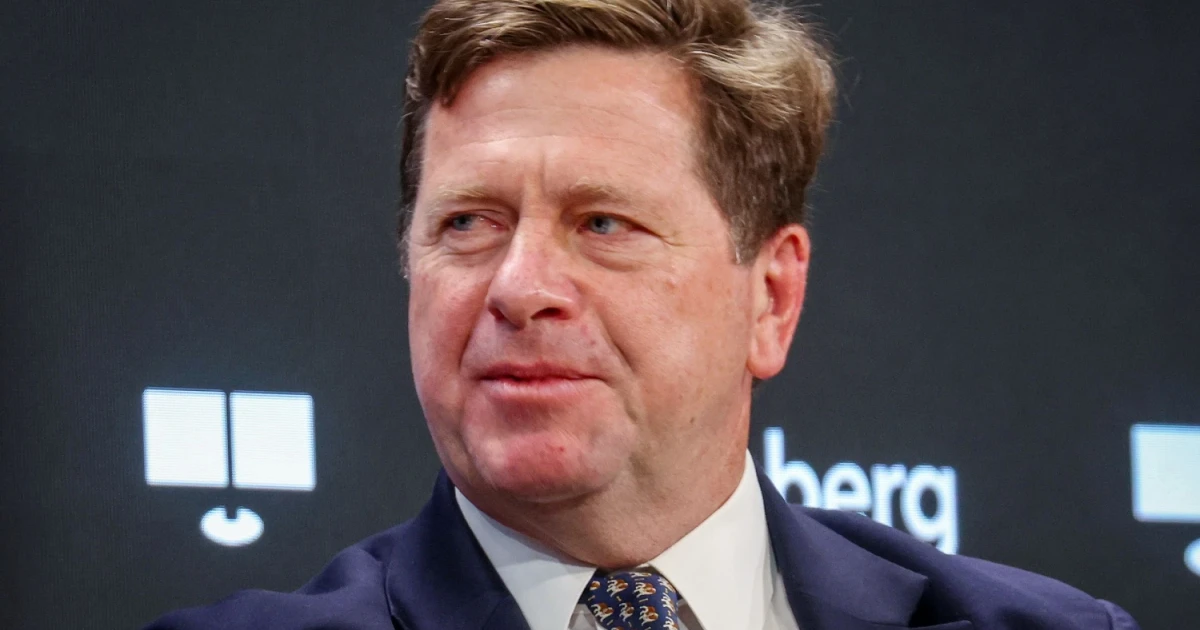
Donald Trump blew up Senate Republicans’ plan to move quickly on a new intelligence chief, pulling Jay Clayton from his confirmation hearing and demanding an end to the filibuster as the chamber fought over surveillance powers, election legislation and his choice of Bill Pulte as acting national intelligence director. The maneuver turned a routine personnel move into a test of whether Senate Republicans would keep accommodating Trump’s pressure or defend their own procedures.
The Senate Intelligence Committee had scheduled Clayton’s hearing for June 17 in Dirksen G50, a fast-track step after Section 702 of the Foreign Intelligence Surveillance Act expired at midnight on Friday, June 13, when a bipartisan extension effort collapsed. Trump had nominated Clayton, the Manhattan U.S. attorney and former Securities and Exchange Commission chairman, on June 11 after naming Pulte acting director of national intelligence on June 2. Tulsi Gabbard’s resignation as director of national intelligence was effective June 30, leaving the administration’s intelligence leadership in flux just as lawmakers were trying to salvage surveillance renewal.
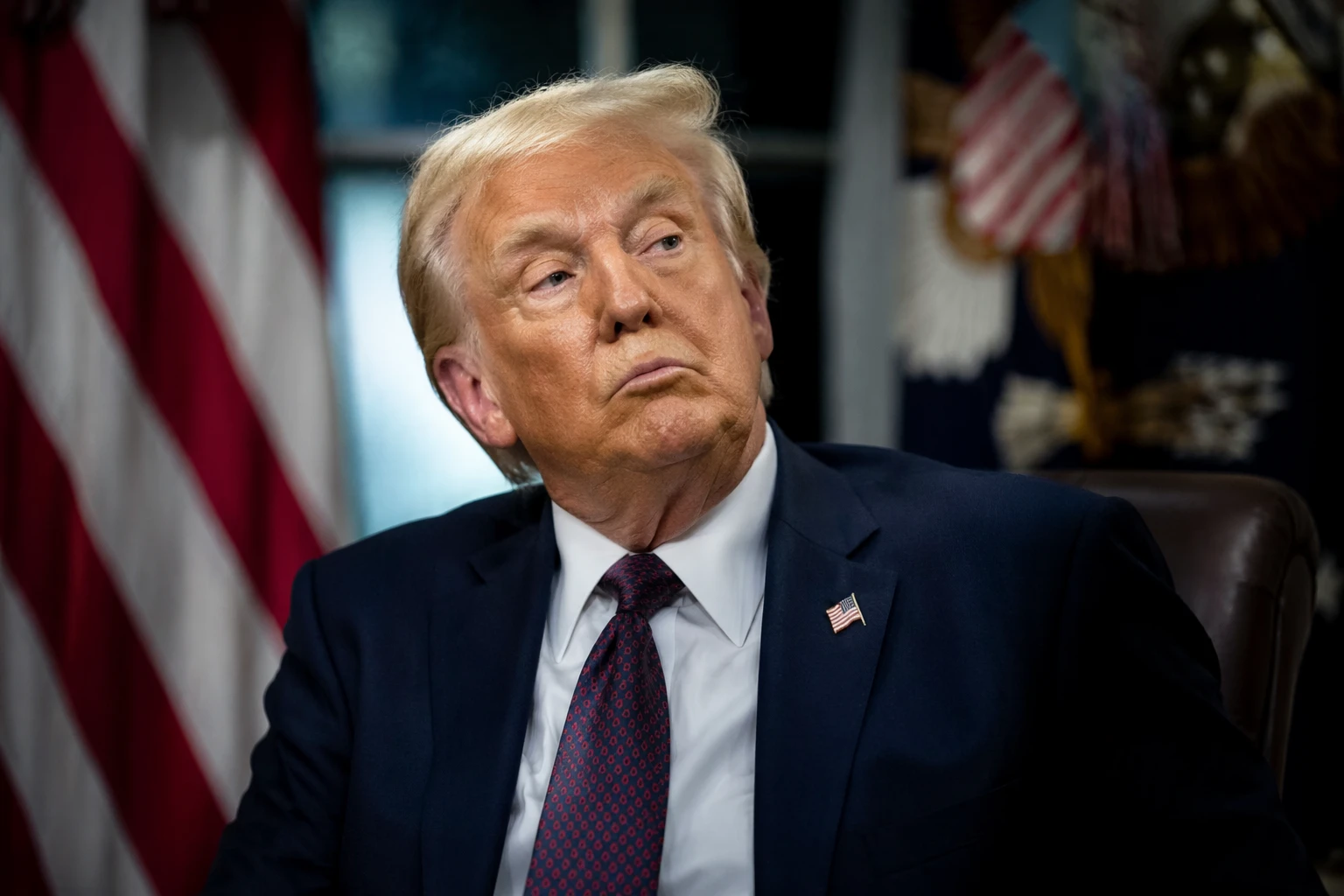
Trump’s decision intensified an already public clash with Senate Majority Leader John Thune. On June 9, Thune urged Trump to name a permanent DNI, arguing that the acting arrangement made it harder to gather enough Democratic votes to reauthorize Section 702. Thune also took aim at Pulte, saying, “We don’t need a weaponized DNI; we need professionals there.” Democrats and some Republicans objected that Pulte had no national security or intelligence background, a criticism that has hardened resistance on both sides of the aisle.
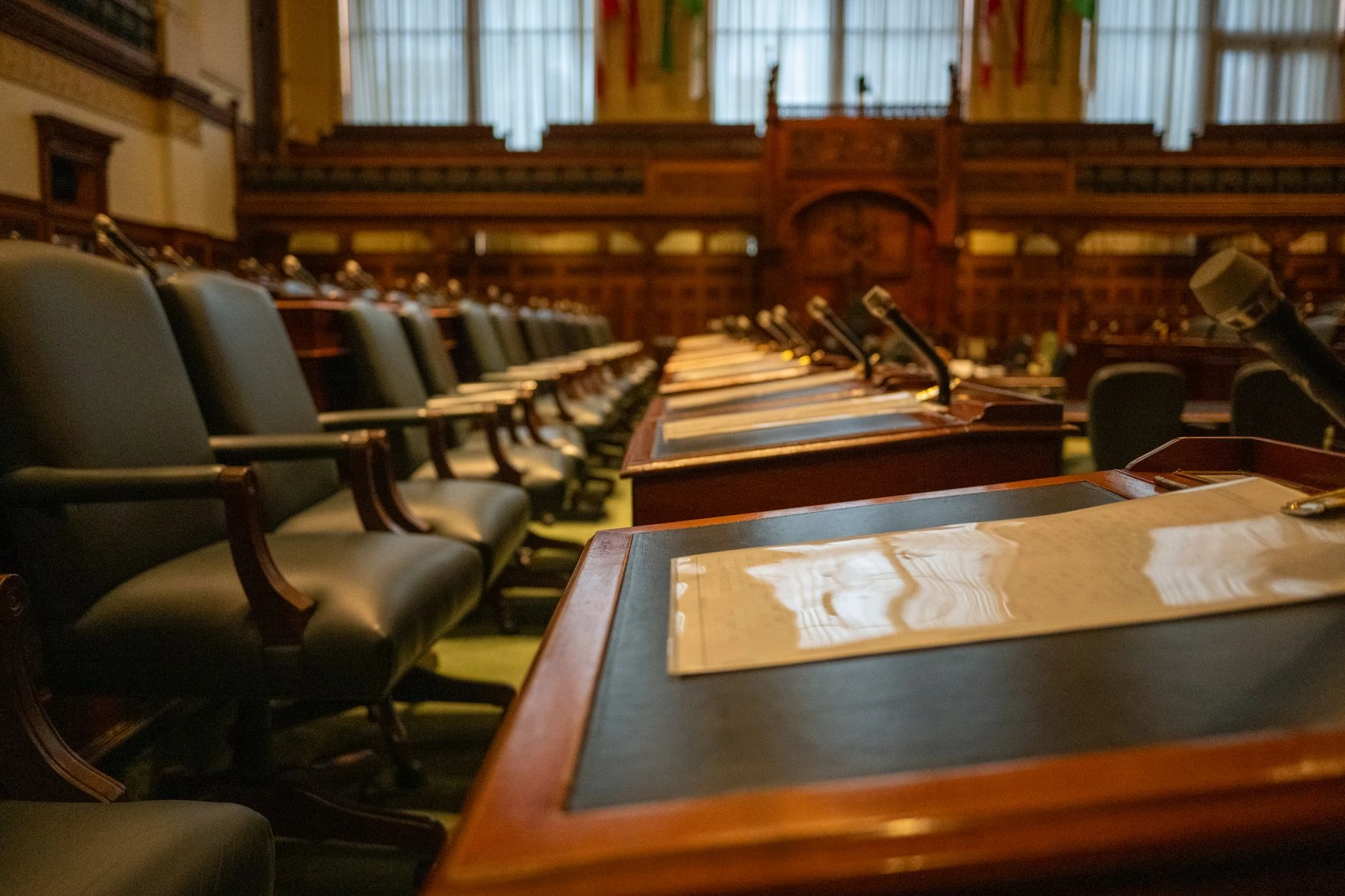
By early June 17, Trump posted that Clayton’s hearing should not go forward. Later, Senate Intelligence Committee Chairman Tom Cotton said the hearing had been postponed because Trump had directed Clayton not to appear. Cotton called the delay regrettable and described Clayton as “a patriot and highly qualified nominee.” Mark Warner and other Democrats argued that keeping Pulte in the acting role had made it impossible to rebuild trust around surveillance renewal, while Susan Collins said she did not know Pulte and was unaware of any intelligence background.
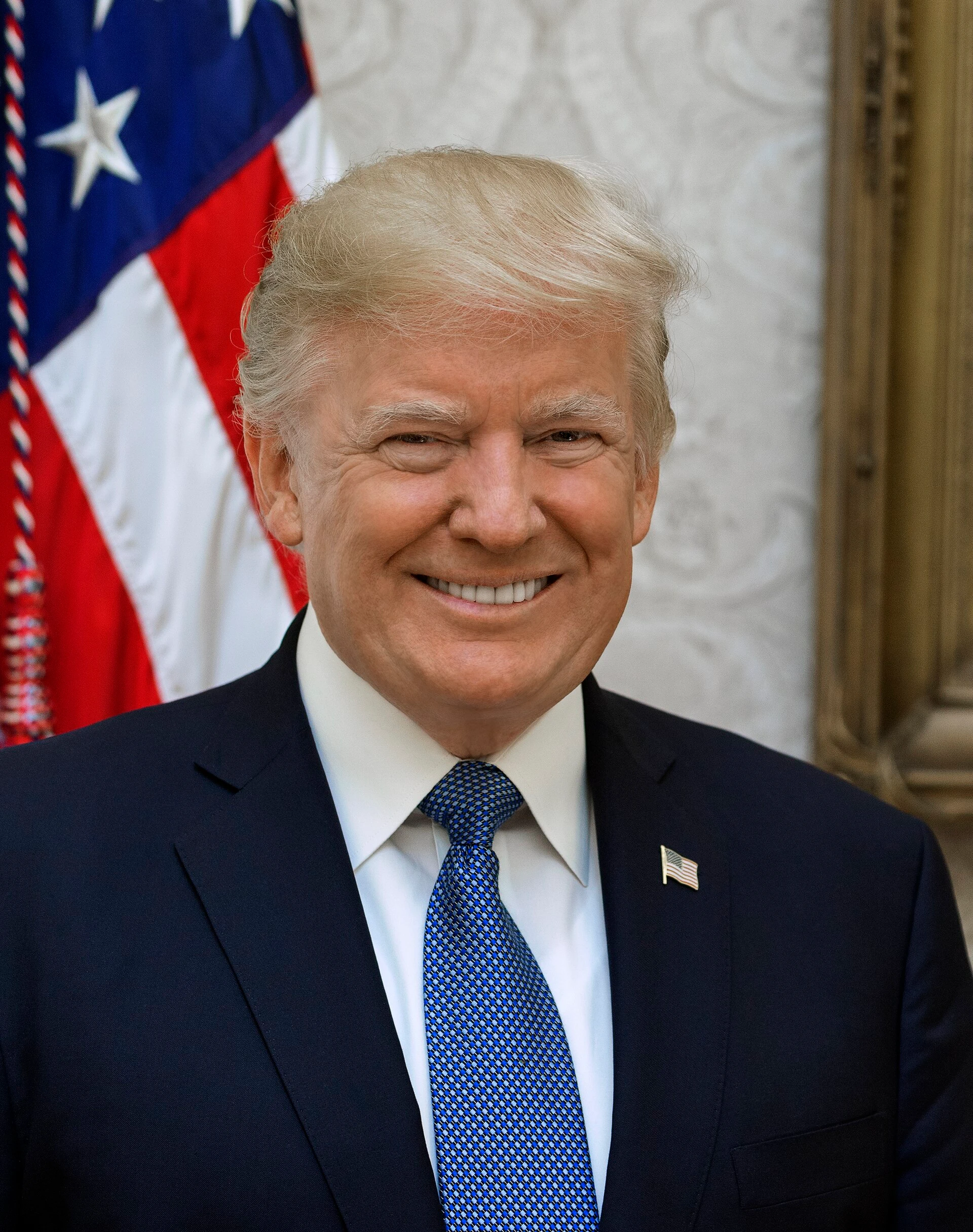
The standoff now reaches beyond one nominee. Trump has tied Section 702 to the SAVE Act, his elections overhaul, and to his insistence on keeping Pulte in place, while also pressing Republicans to scrap the filibuster. That puts the Senate’s 60-vote rule, its confirmation process and party discipline under the same strain, and it raises a larger question for Republicans heading into an election year: whether this is a tactical rupture or evidence of a deeper break inside the party’s power centers.
Sources
- [1]nytimes.com
- [2]politico.com
- [3]apnews.com
- [4]thehill.com
- [5]thesheffieldpress.com
- [6]cbsnews.com
- [7]republicanleader.senate.gov