World
Trump signs Iran ceasefire deal with sanctions relief tied to compliance

Donald Trump and JD Vance electronically signed a ceasefire framework with Iran that ties sanctions relief to a checklist of nuclear and regional concessions, while the United States began the first steps toward lifting its naval blockade of the Strait of Hormuz. The memorandum was set for a formal signing in Switzerland on Friday, but the real story was in the sequencing: Iran gets economic benefits only after it proves compliance, not at the start.
U.S. officials described the deal as a 14-point, performance-based framework with a 60-day window to negotiate a final agreement. Under the text, Iran would have to turn over nuclear material, dismantle nuclear facilities and show a commitment to regional stability before sanctions relief kicks in. The agreement also called for a ceasefire and the reopening of the Strait of Hormuz, the narrow chokepoint through which a large share of the world’s oil and gas flows. Vessel traffic was supposed to return in proportion to prewar levels, which made the blockade timetable as important as the diplomatic language.
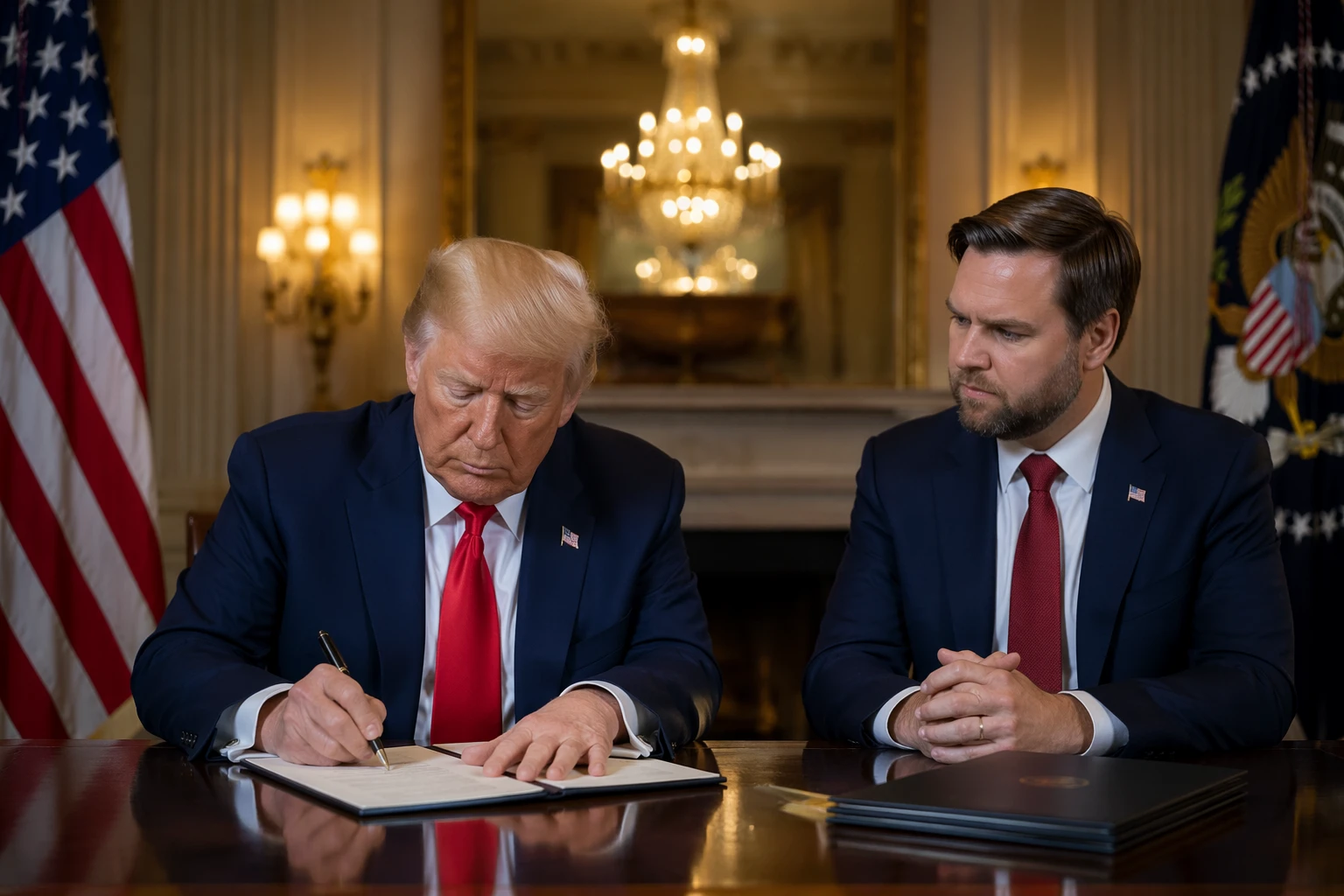
The United States was to begin removing its naval blockade immediately and fully end it within 30 days. A reported $300 billion reconstruction incentive was also tied to a final deal, not to the ceasefire itself, making that promise contingent on a second-stage agreement. Military operations were supposed to stop on all fronts, including Lebanon, but the nuclear file remained unresolved, leaving the hardest questions for the next round of talks.
That next round is where the framework will be tested. The memorandum leaves the size and timing of sanctions relief unclear, and it does not settle how Iran would regain access to the Strait of Hormuz if the talks stall. A formal delegation led by Vice President JD Vance, alongside special envoy Steve Witkoff and Jared Kushner, was expected to represent Washington in Switzerland, while Pakistani Prime Minister Shehbaz Sharif played a mediating role in the talks. Iranian officials said a broader settlement still had to be negotiated during the 60-day window.
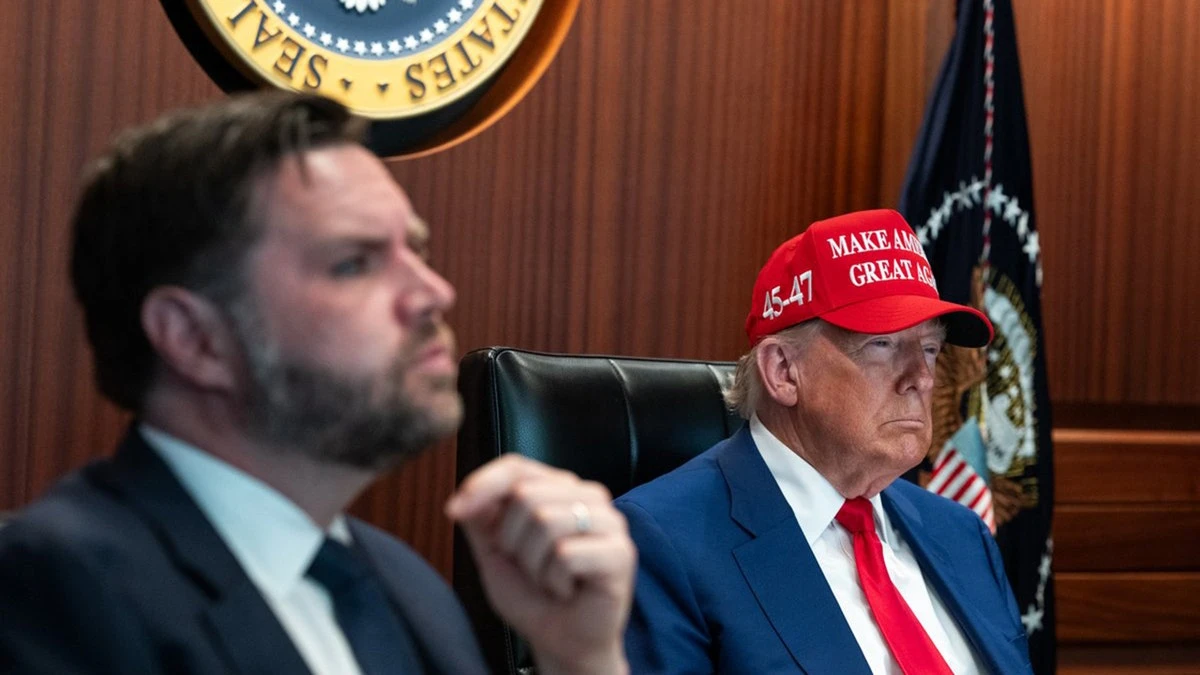
Trump warned at the G7 summit in France that the United States could resume military action if Iran violated the terms. Oil prices fell after the framework became public, a sign that traders saw even a partial de-escalation as meaningful for supply risk. Analysts have already warned that the gap between the memorandum’s ambitions and a final deal could be wide, especially with domestic criticism building in Washington, Israel and Tehran. For now, the agreement looks less like a finished peace and more like a timed test, with Iran’s payoff arriving only if each stage of compliance holds.
Sources
- [1]bbc.com
- [2]yahoo.com
- [3]militarytimes.com
- [4]time.com
- [5]atlanticcouncil.org
- [6]thesheffieldpress.com