Politics
Trump’s corruption scandals put Maine in the national spotlight
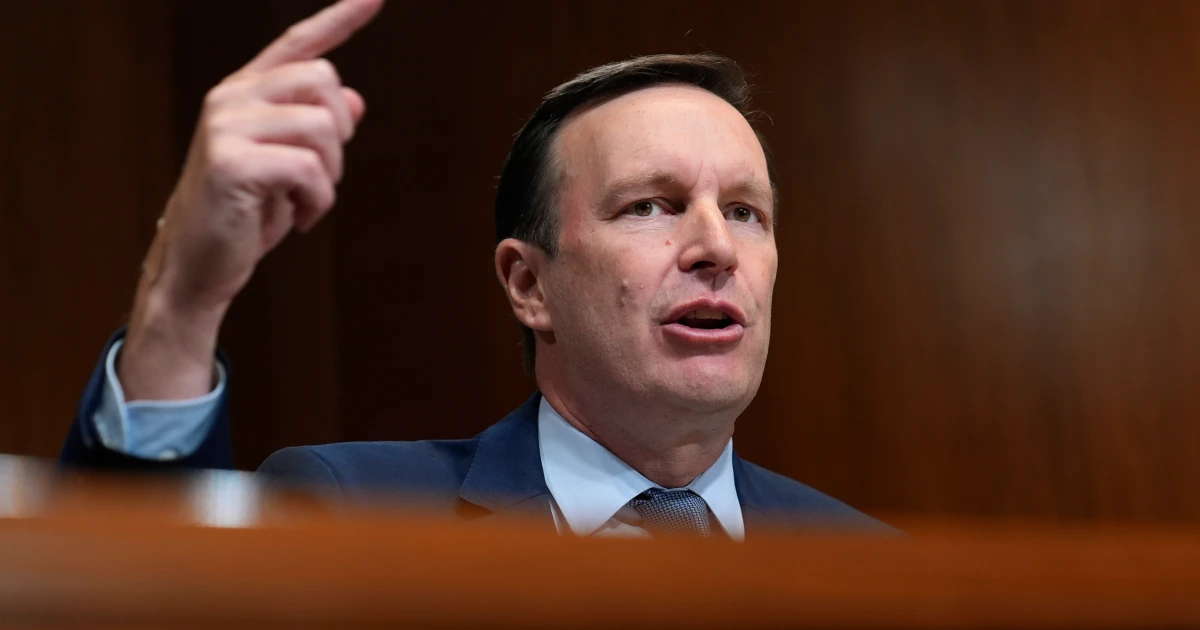
Trump’s 2025 financial disclosure showed more than $2 billion in income, including over $1.4 billion from crypto, while he kept stakes in businesses that could benefit from government policy decisions. That filing put a hard number on the conflict-of-interest problem surrounding his second term and helped explain why watchdogs have treated his private business empire as a public ethics issue.
Sen. Chris Murphy sharpened that case on June 23, 2026, saying Trump’s bet is that “if there is a new story of corruption and self-dealing every few days, the press and public will stop paying attention.” Murphy called it a national crisis, arguing that the volume of controversies is itself part of the strategy.
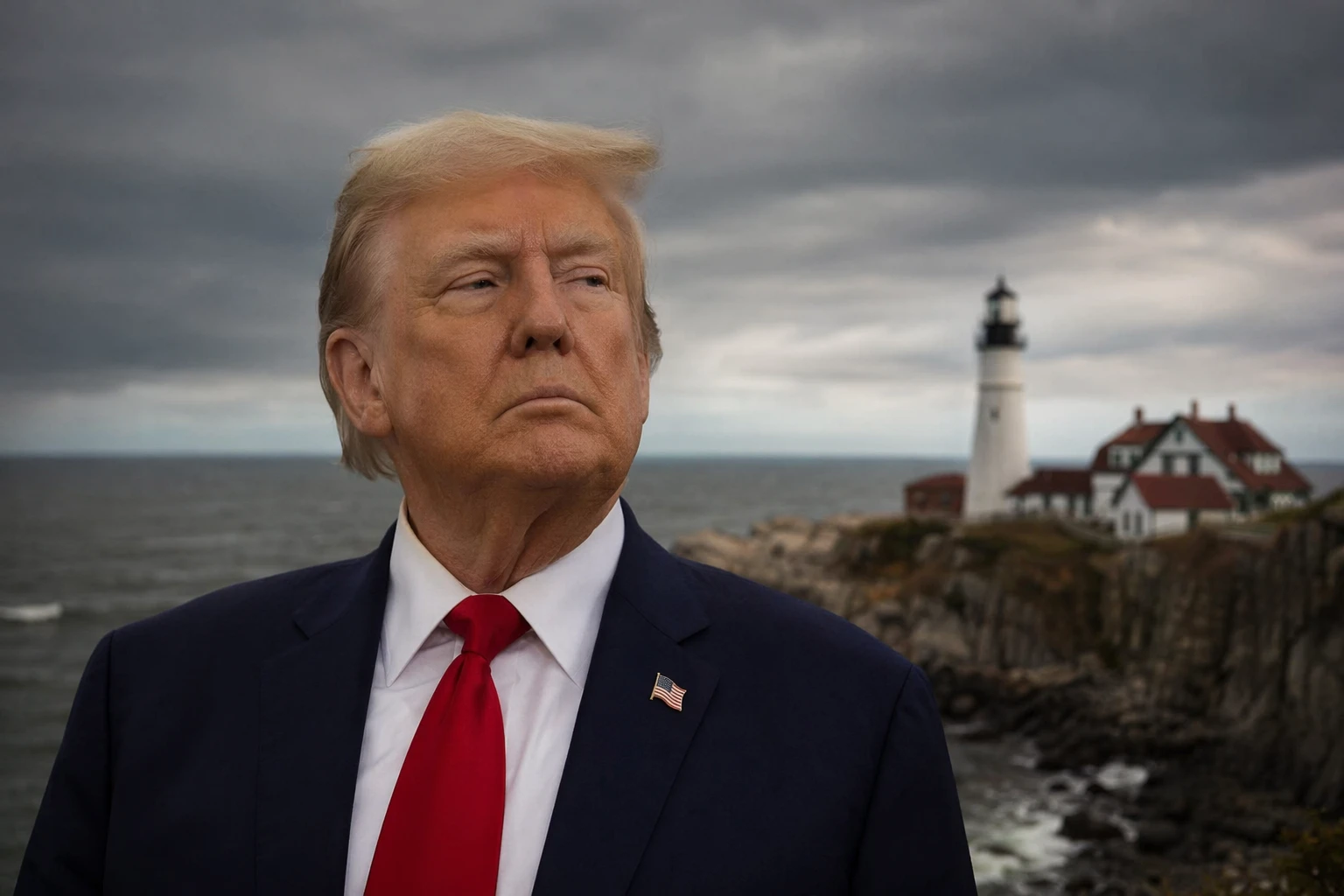
Maine was drawn directly into that spotlight on February 25, 2026, when Trump said fraud was “even worse” in Maine than in Minnesota and announced that Vice President JD Vance would conduct a “war on fraud” in Maine and other states. The language turned Maine into a test case for how federal power, political theater and anti-corruption rhetoric can blur together.
The state already carries old warnings. A 2012 national study gave Maine an “F” in corruption risk and said the state lacked strong ethics oversight for top-level state officials. That matters because accountability failures rarely begin at one level of government. They move through gaps between federal disclosure rules, weak state ethics systems and the limited tools available to lawmakers trying to police a president who still holds business interests that may rise or fall with official decisions.
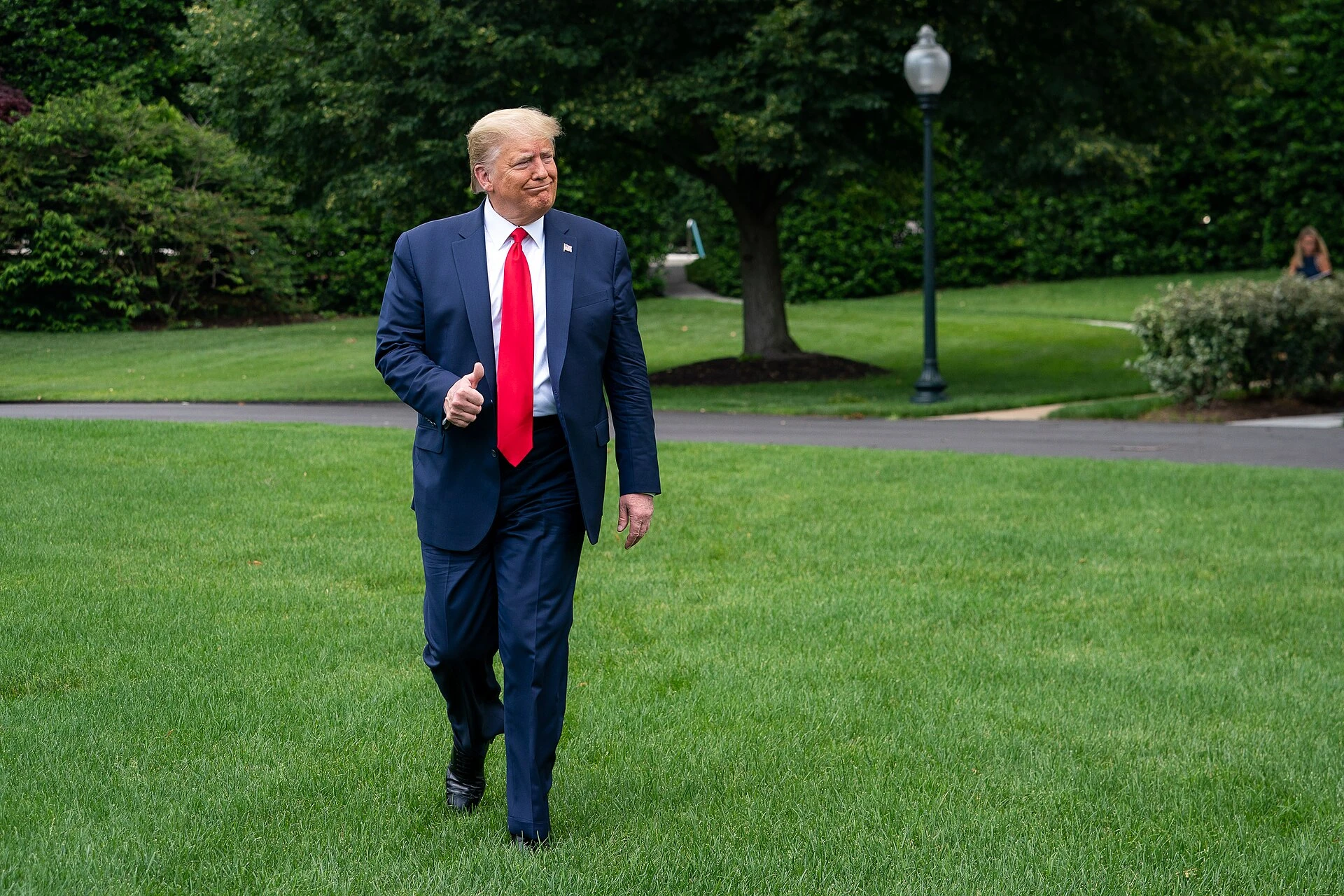
That is the central problem now facing Congress and watchdogs. Disclosure can expose income, but it does not by itself stop self-dealing. Courts can review specific disputes, investigators can follow paper trails and ethics advocates can press for tighter rules, yet the basic structure still leaves room for influence to travel from Washington into places like Maine before anyone with authority acts. In that sense, the fight over Trump’s finances is no longer only about one president’s holdings. It is also about whether the country’s oversight systems can respond before corruption becomes normal background noise.