Politics
Trump’s Iran war faces Congress, war powers clock resets
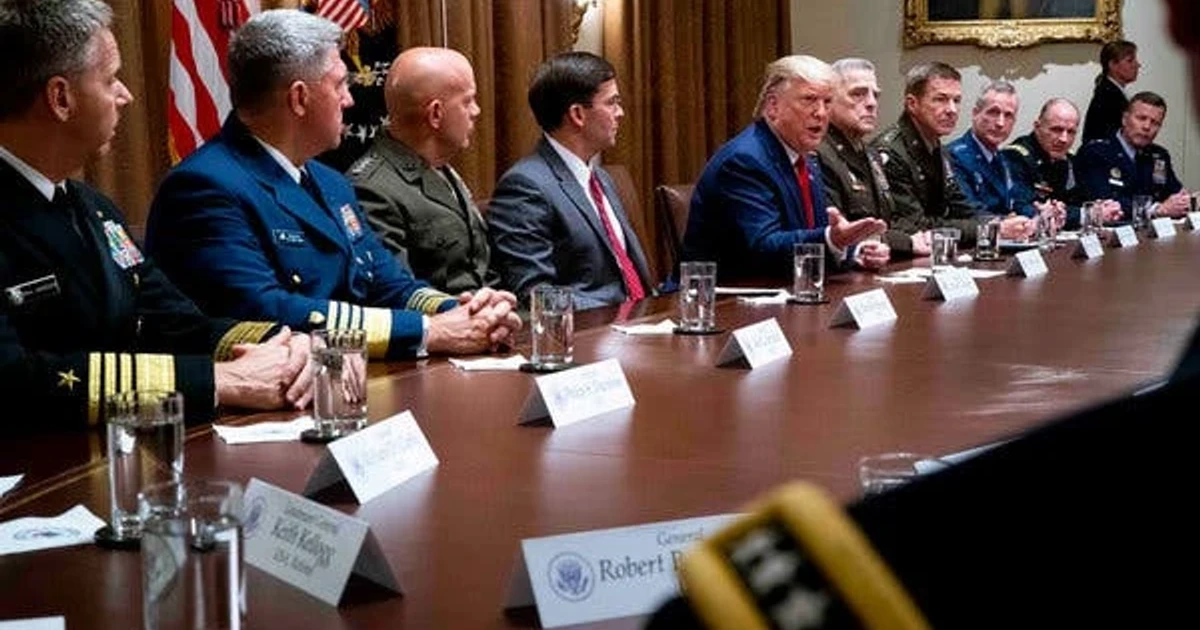
Donald Trump sold himself as the president who would end wars, not start them, yet the Iran campaign is exposing how quickly a limited strike can become a larger conflict with no obvious exit. The fighting that began with U.S. and Israeli strikes on February 28, 2026 has already reached the Strait of Hormuz, pulled Congress into a war it never authorized, and revived Washington’s oldest fear: mission creep.
How the war powers clock got reset
The White House initially framed the operation as a narrow response to an “imminent threat.” On March 2, Trump told Congress the 60-day War Powers clock had started, the basic legal timer for an undeclared conflict unless lawmakers authorize it or the president finds another route to stop it. That matters because the administration cannot simply redefine the conflict after the fact and expect the statute to disappear.
Trump later said on May 1 that hostilities had “terminated.” In June, a U.S.-Iran memorandum of understanding was signed to support the ceasefire while negotiations continued over Iran’s nuclear program and sanctions relief. By early July, however, fighting had resumed, and Trump formally notified Congress on July 13 that military action against Iran had restarted on July 7. That notice potentially resets the War Powers deadline and gives the White House another 60-day window for military action.
That sequence is more than a legal technicality. It is the difference between a war that is supposed to end on a set date and a war that can be extended whenever the administration says the prior round has closed and the next one has begun. Congress is now left arguing over whether the pause was real, whether the memorandum changed anything, and whether the renewed strikes created a fresh clock or just a new label for the same conflict.
Why limited strikes tend to widen
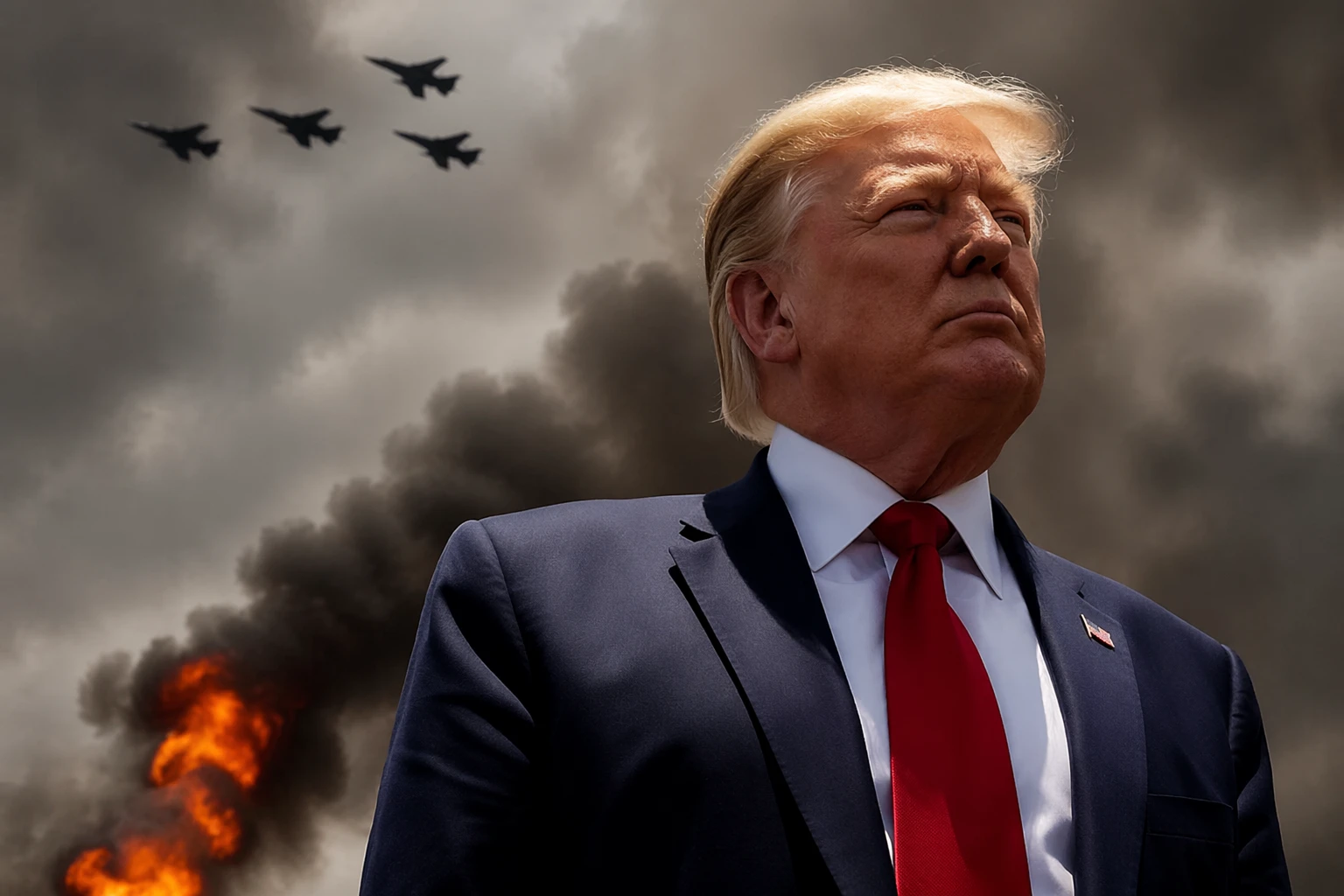
This is the classic mechanics of mission creep. Once Iran responds, or threatens the Strait of Hormuz, the United States has to protect shipping, reinforce air defenses, and keep more forces in the region. Each protection mission creates new targets, new troop requirements, and new incentives to strike back, which is how a campaign sold as deterrence can become an escort operation, then an air-defense campaign, then a troop-protection mission.
The Congressional Research Service describes the February 28 strikes as the start of a wide-reaching regional conflict, with ongoing air operations and attacks that largely halted maritime traffic through the Strait of Hormuz. That chokepoint is not just a battlefield feature. Any sustained disruption in the Persian Gulf pushes the conflict into shipping schedules, insurance costs, and energy markets, which is why a war that looks contained in Washington can feel much larger in global trade.
Iranian attacks on shipping in the Strait of Hormuz helped draw U.S. strikes in response, and that retaliation loop is what makes the conflict so hard to close. Every counterstrike creates a new reason to guard the waterway, and every added guard mission makes withdrawal look more dangerous. That is the path from a limited strike to a forever war.
Congress is the brake, but it is not stopping the car
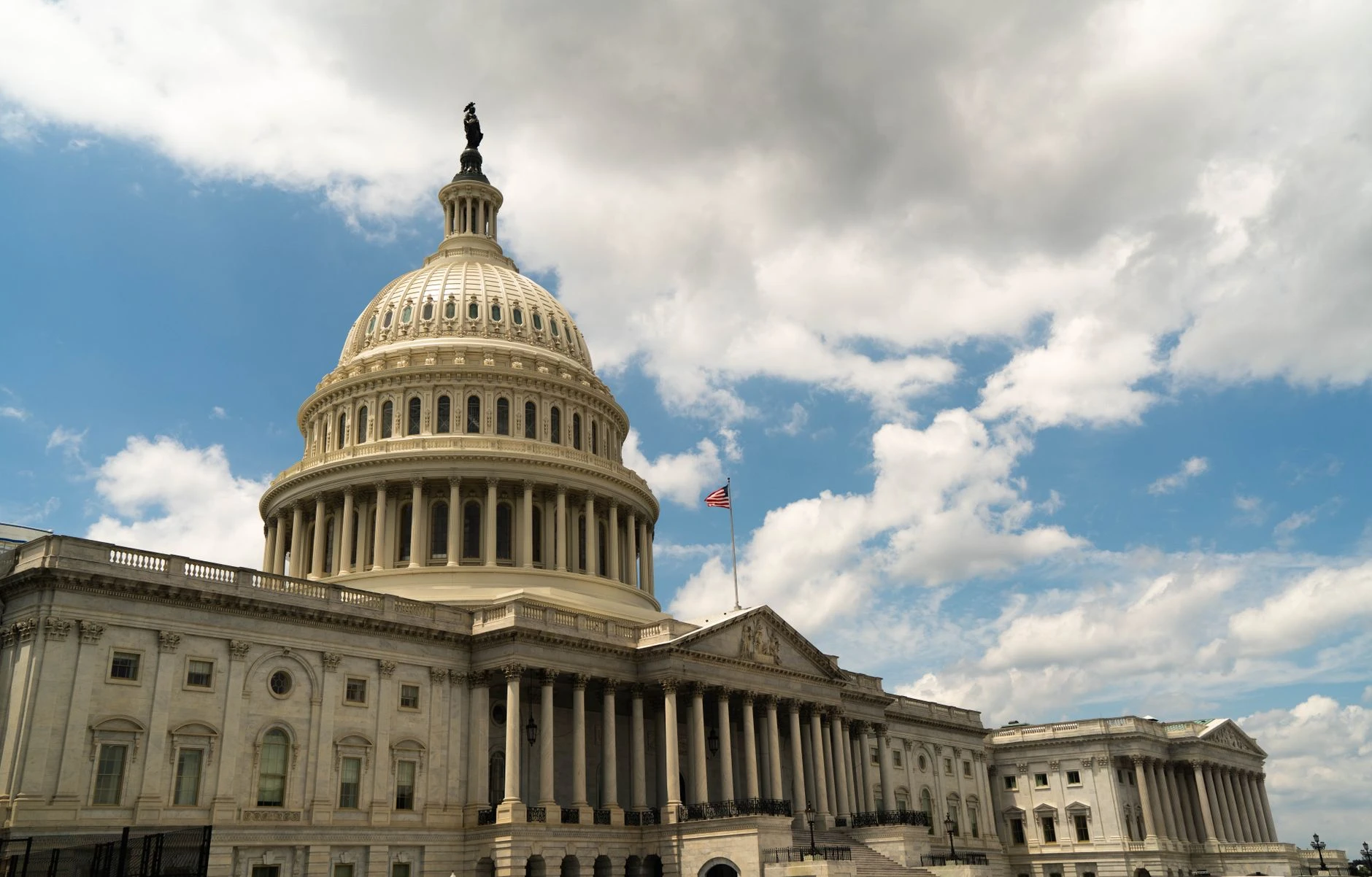
Congress never authorized the war, and lawmakers are now being asked to absorb the costs, legality questions, and strategy gaps of a conflict with no clear end state. The politics are already moving beyond floor speeches. Senate Democrats blocked a $1 trillion annual defense bill in protest of Trump’s war against Iran, a sign that the fight has reached the budget process as well as the battlefield.
The criticism is not confined to one party. Lawmakers from both parties have raised the lack of a coherent end state, which is the central problem in any war powers fight: once troops, aircraft, and shipping protection are in motion, it becomes politically harder to say when the mission is finished. The White House can insist the campaign is limited, but if the operational demands keep expanding, Congress eventually has to choose between accepting the drift or trying to stop it after the fact.
Why Iraq keeps coming up
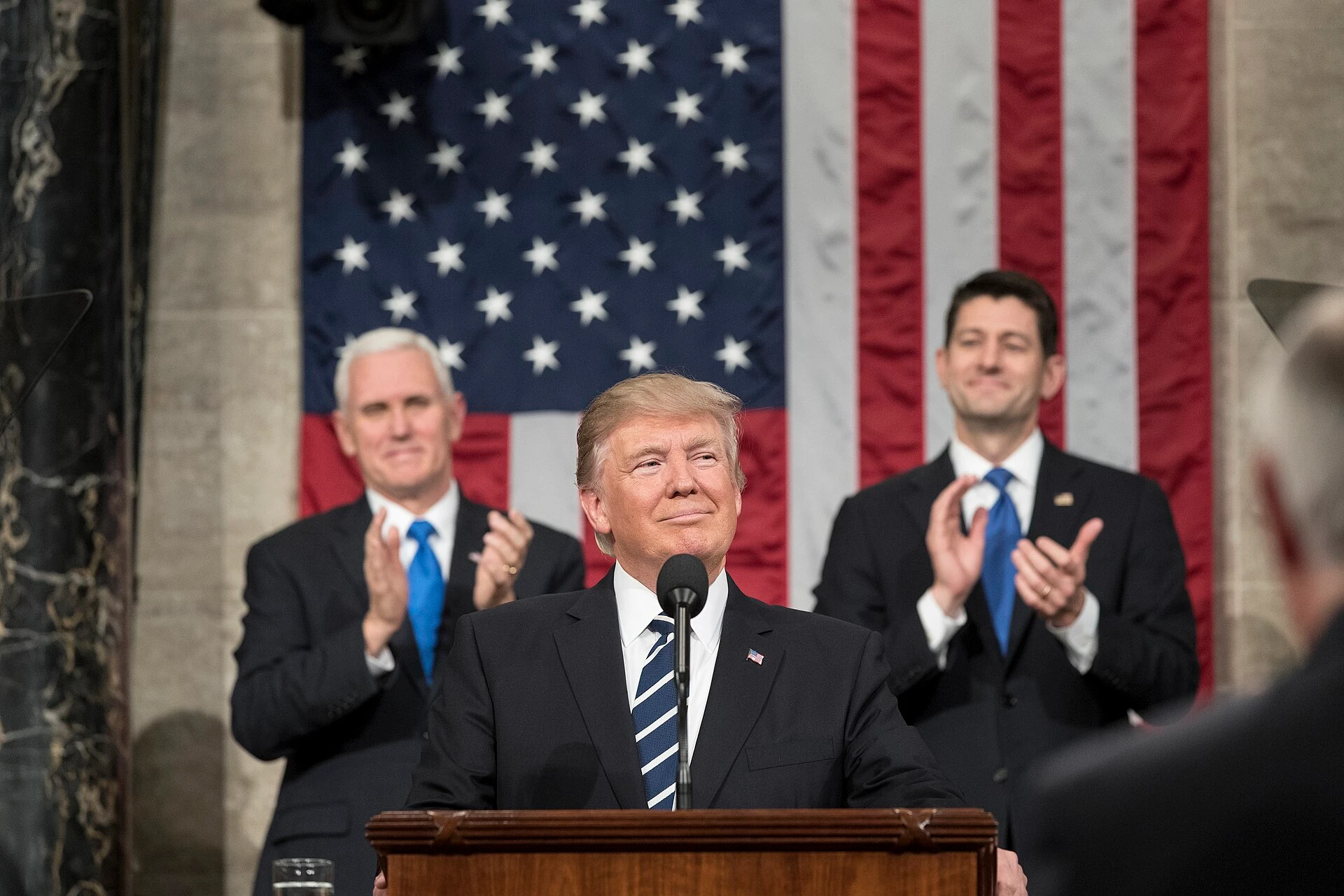
The historical comparison is obvious, and it is not flattering. In 2003, an “imminent threat” case helped sell a preventive war that later proved far costlier and more difficult to unwind. That memory still shapes how lawmakers read presidential claims about urgent danger, especially when the administration insists a war is both limited and necessary.
Trump’s anti-war branding sharpens the contradiction. He says Iran wants to meet and make a deal, and the White House and its allies continue to describe the campaign as a success. But the battlefield, the markets, and Congress are telling a messier story: once retaliation begins and the United States takes on the job of protecting shipping, the logic of escalation starts to feed itself.
The June memorandum of understanding was supposed to stabilize the ceasefire while diplomacy kept moving. The July 13 notice suggests the conflict has already slipped back into a new phase, with the legal clock once again running and the strategic exit still unclear. That is how a limited strike turns into an open-ended war, one reset at a time.
Sources
- [1]nytimes.com
- [2]politico.com
- [3]cbsnews.com
- [4]apnews.com
- [5]congress.gov
- [6]cnbc.com
- [7]cfr.org
- [8]understandingwar.org
- [9]foreignaffairs.com
- [10]thesheffieldpress.com