World
U.S. and Iran strike framework deal to reopen Strait of Hormuz

After nearly three and a half months of war, Washington is preparing to market a framework deal as an ending even as Iran’s government survives intact and the costs of the conflict remain visible. The agreement, reached on June 14, would reopen the Strait of Hormuz and launch 60 days of talks over sanctions, Iran’s nuclear program, and other disputes, with formal signing expected in Switzerland on Friday, June 19.
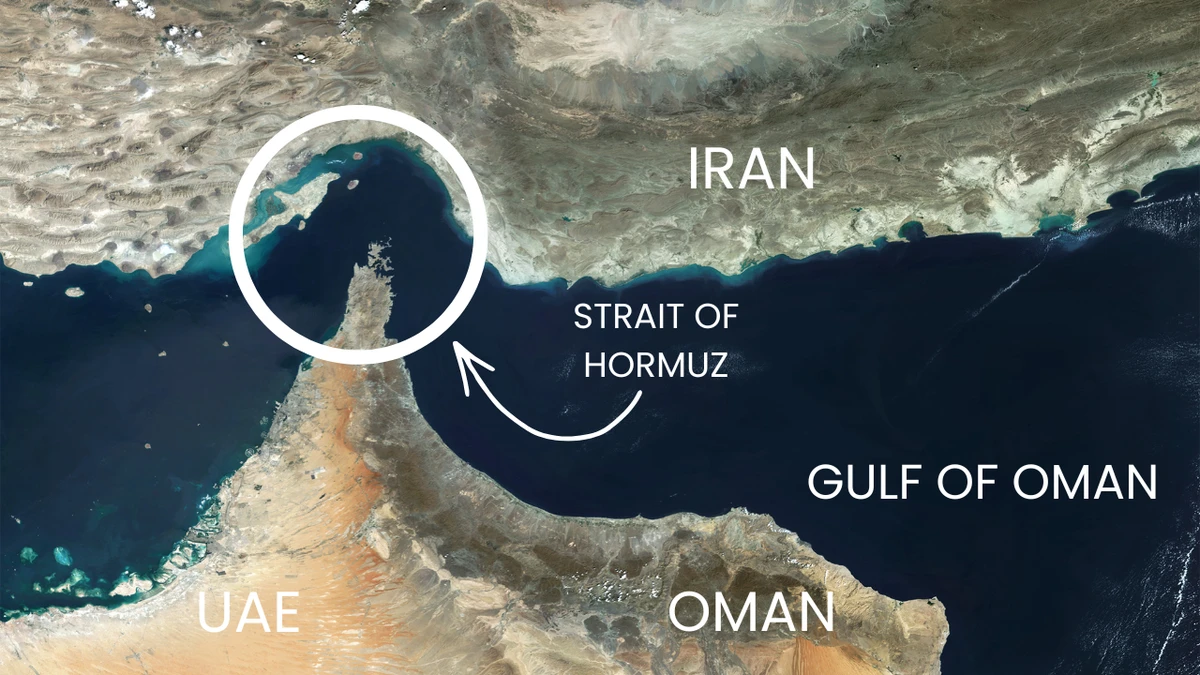
The initial pact is being described as a 14-point memorandum of understanding, and it was expected to trigger the “immediate and permanent termination of military operations on all fronts” once signed. That language marks a sharp turn from a conflict that began on February 28, 2026, with U.S.-Israeli strikes that killed Iran’s supreme leader. The practical stakes are enormous: about 20 million barrels per day of crude oil and oil products moved through Hormuz in 2025, and the narrow waterway is only 29 nautical miles wide at its tightest point, with two 2-mile-wide navigable channels.
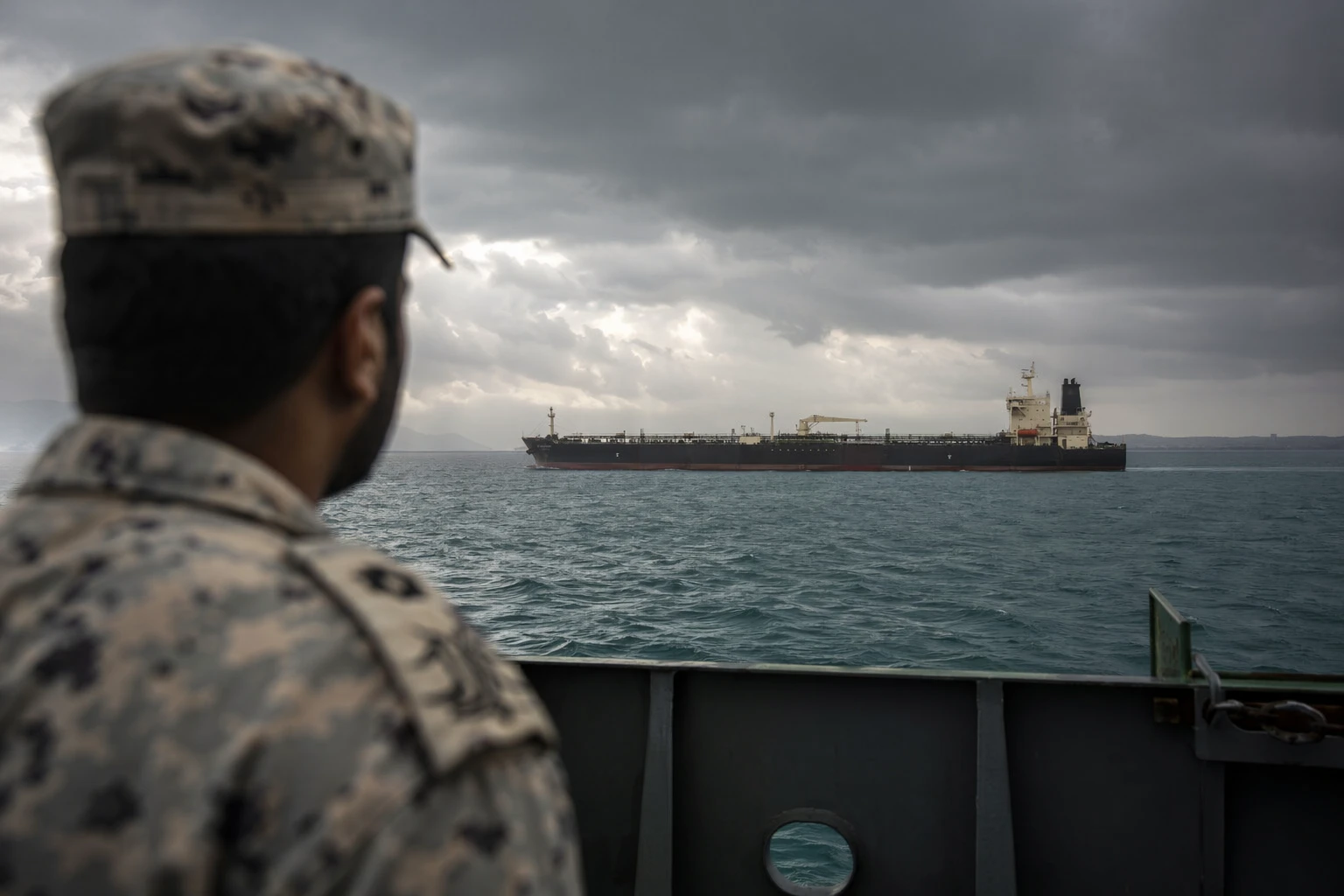
The deal does not resolve the political questions that drove the war in the first place. Iran’s top diplomat said the arrangement required Israel to withdraw from Lebanon, a condition Israel rejected. Al Jazeera reported that sanctions, frozen Iranian assets, and possible fees on ships crossing Hormuz remained unresolved, even as the reopening of the strait promised relief for energy markets after months of disruption and higher consumer prices.
Regional diplomacy helped push the ceasefire forward. Pakistan’s prime minister, Shehbaz Sharif, said Islamabad had been in contact with both sides “day and night” to help extend the truce and move it toward a broader peace deal. But the ceasefire has not produced confidence inside Iran that the fighting is truly over. Al Jazeera reported that residents doubted the agreement would be enforced or bring lasting stability, while hardliners were expected to attack any concession.
Strategically, the accounting is still disputed. CSIS said both the United States and Iran would likely claim victory, even as both had lost in important ways, and argued the framework only pushes harder decisions down the road. The Conversation went further, arguing that the deal leaves Iran stronger, the United States with less leverage, and Israel in the lurch. Donald Trump has portrayed the pact as a success and said the oil should flow again, but the larger question is whether the war delivered anything beyond a costly reset to conditions that existed before it began.
Sources
- [1]bbc.com
- [2]thesheffieldpress.com
- [3]cfr.org
- [4]aljazeera.com
- [5]csis.org
- [6]theconversation.com