World
U.S. and Iran trade strikes as Gulf tensions spread
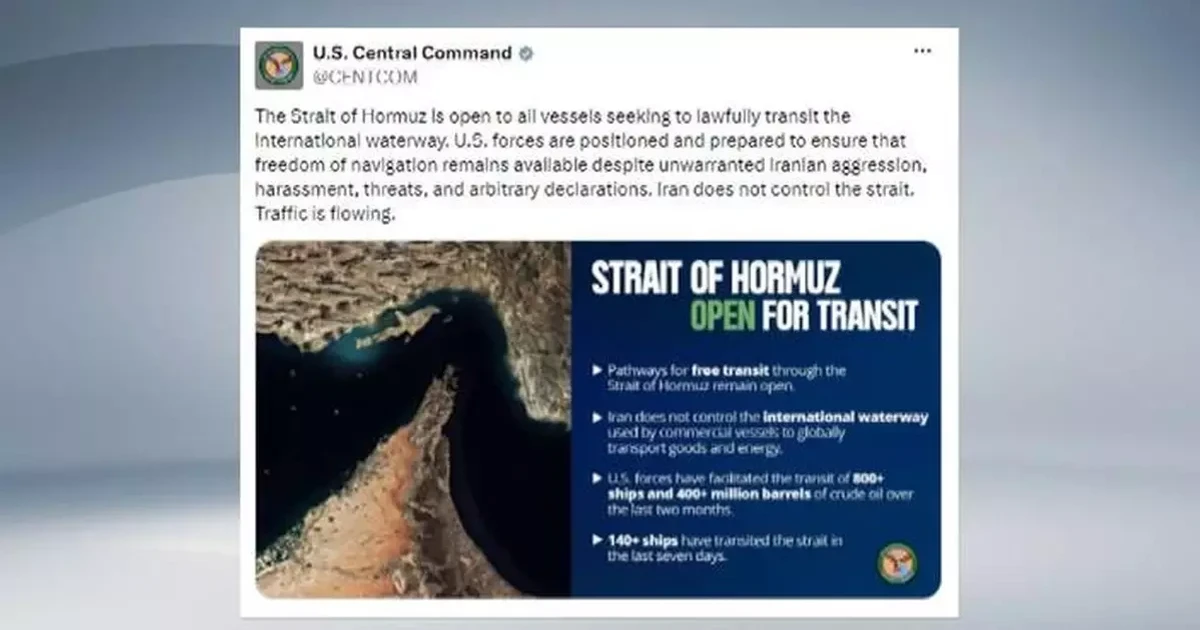
U.S. Central Command said American forces launched strikes against Iran after Iranian attacks on three commercial vessels moving through the Strait of Hormuz, the narrow waterway that once carried about a fifth of the world’s traded oil and natural gas. The opening blows landed in southern Iran, where Iranian media said six projectiles hit the area of Taheroui pier in Sirik, a reminder that even limited retaliation can quickly reach the coastlines and shipping lanes that keep the Gulf economy moving.
The latest exchange widened the map beyond Iran itself. The U.S. later struck multiple Iranian targets, saying the operations were meant to further degrade Iran’s ability to threaten freedom of navigation in the strait. Iran answered by targeting or threatening U.S. allies and facilities in Bahrain, Kuwait and Qatar, pushing the confrontation into the heart of the American security network that runs across the Gulf.
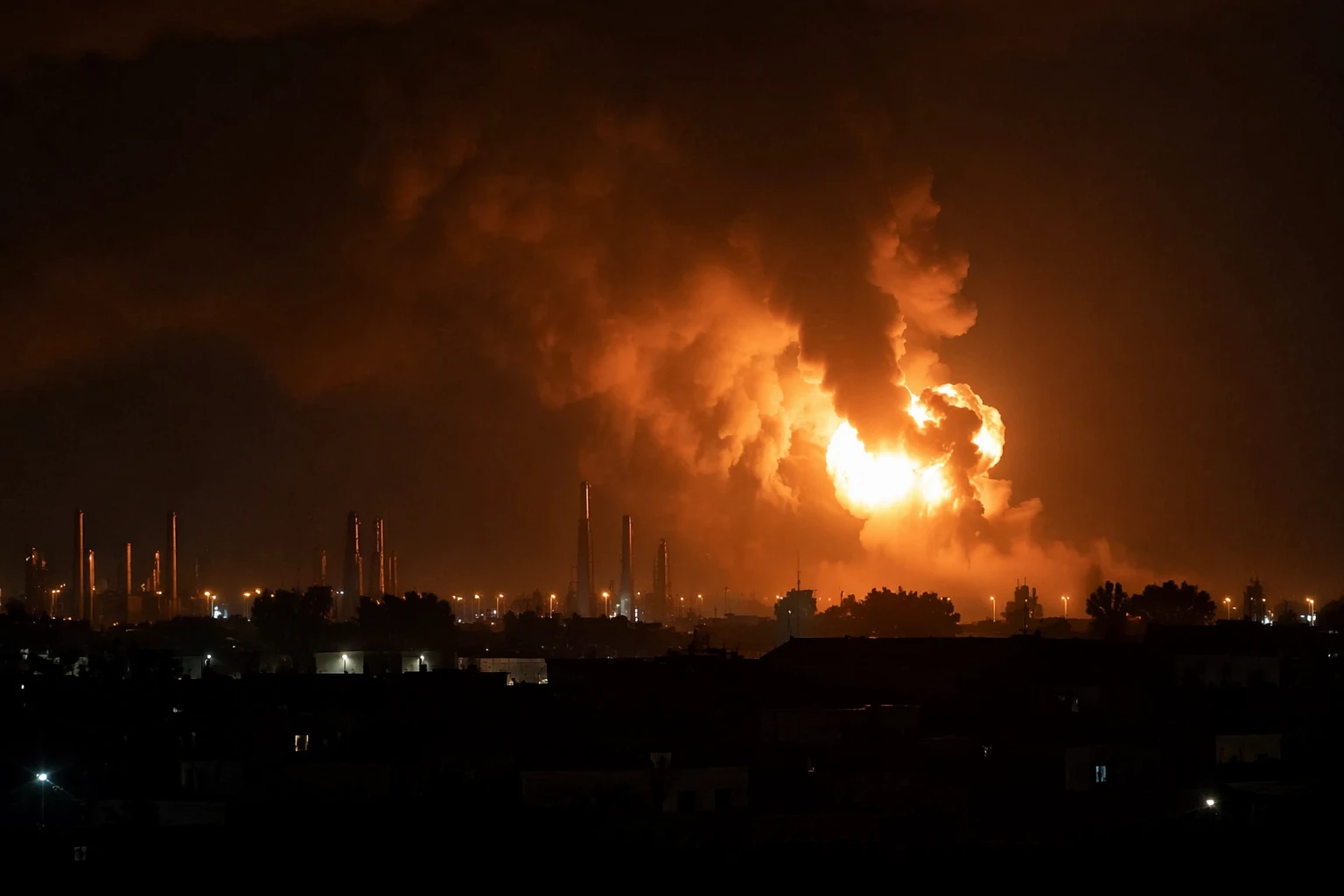
Bahrain, where the U.S. Navy’s 5th Fleet headquarters is based, sounded sirens at least twice as alarms spread through the island nation. In Kuwait, the military said it was actively intercepting incoming drones and missiles. Those moves signaled a shift from isolated strikes on Iranian territory to pressure on the staging areas, logistics hubs and command posts that connect U.S. naval power to the wider region.
The fighting also cut across the fragile ceasefire or interim deal that had been holding the conflict in place. U.S. Central Command said on May 26 that American forces had already attacked missile sites in southern Iran and boats trying to lay mines, and Iranian officials warned then that the United States would no longer have safe havens in the region. The July 7 strikes were the first known U.S. military attacks on Iran since late last month, underscoring how quickly the truce had frayed.
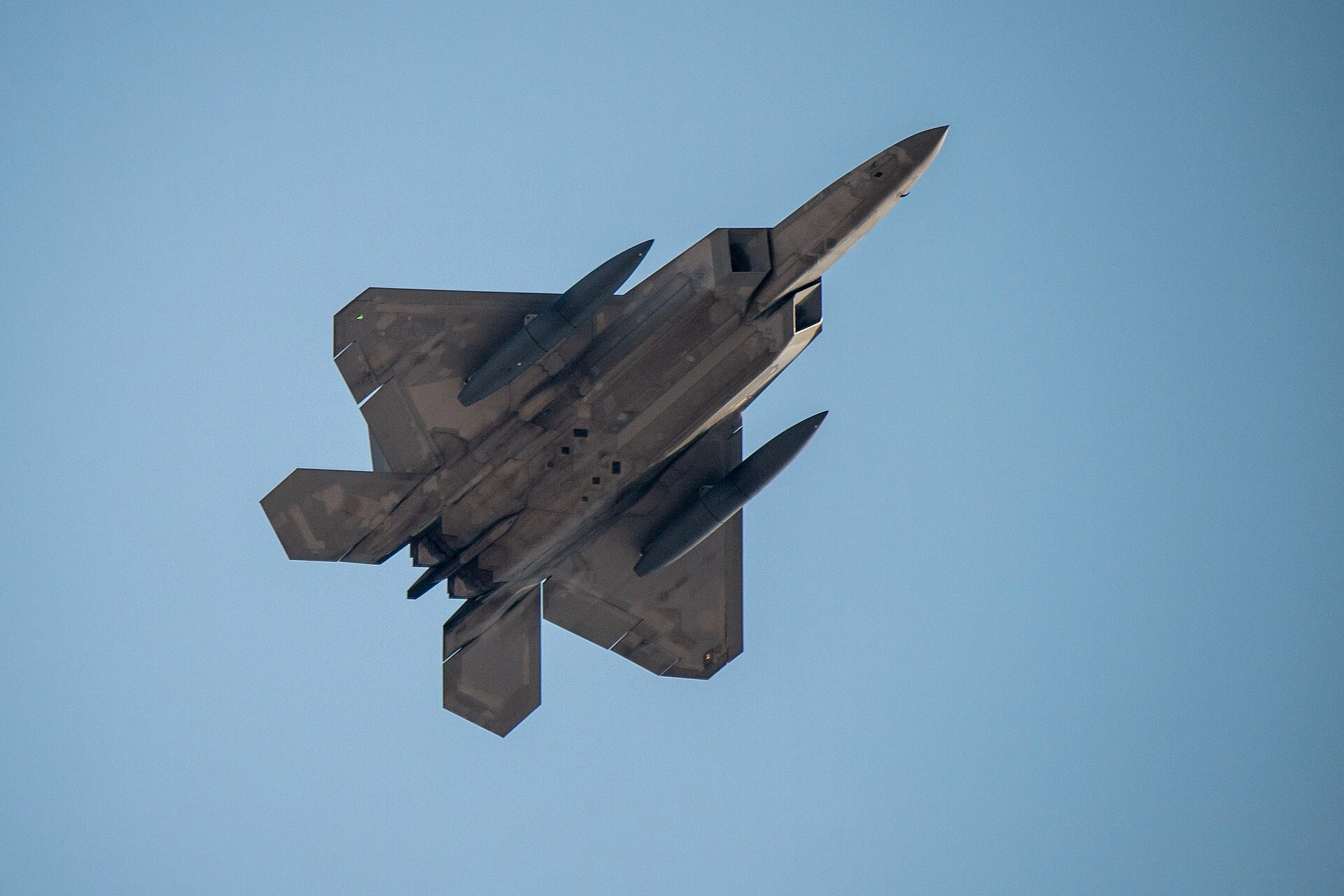
At the center of the crisis remains the Strait of Hormuz, the choke point between Iran, the United Arab Emirates and Oman that ties the Gulf to global energy markets. With each side trying to impose costs without triggering a full war, the choice of targets has become the message: Iran has shown it can threaten commercial shipping and allied bases, while Washington has aimed at military sites and maritime assets to warn that attacks on the strait will not go unanswered.
Sources
- [1]nytimes.com
- [2]apnews.com
- [3]usnews.com
- [4]politico.com
- [5]timesofisrael.com
- [6]thesheffieldpress.com